

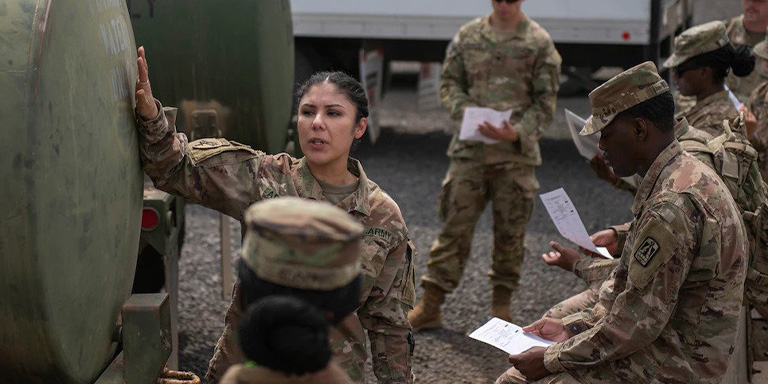
Throughout military history, non-battle diseases and injuries (NBDI) have proven to be nearly as deadly as combat wounds. Modern medicine has made field sanitation much easier and more effective, but it's still a complex and multidisciplinary field of study.
In this guide, we'll review the basic principles and procedures of military field sanitation. Medics, medical officers and field sanitation teams (FSTs) are ultimately responsible for keeping camps clean and fellow soldiers healthy, but you can contribute to both goals by being informed and proactive.
Elements of Field Sanitation
Effective field sanitation encompasses four broad areas: pest control, waste disposal, foodservice and soldier health & hygiene. Although certain soldiers in your unit will have primary responsibility for ensuring these things get done, you can help by correcting and improving conditions around camp whenever you have a few minutes.
Pest Control
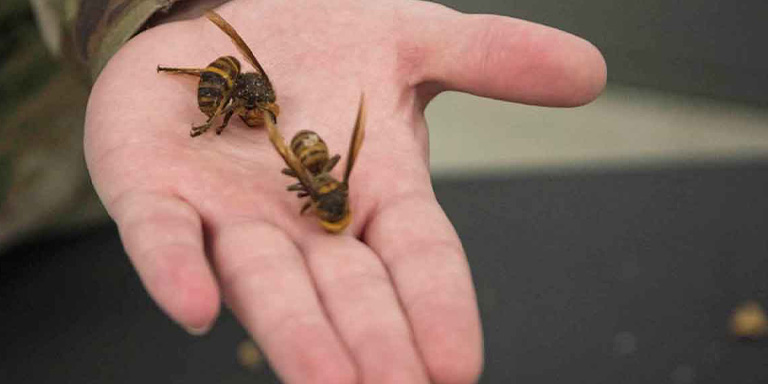
Rats, insects and scavengers can destroy valuable property and spread dangerous diseases through your camp. Pest infestations are also hugely damaging to troop morale. As with many things, prevention is vastly preferable to treatment. Reduce the odds of pests infesting your camp by taking some basic steps:
- Apply personal insect repellent several times per day as long as you're living and working in the field.
- Install bug netting around your sleeping quarters and check it regularly for damage.
- Store food, cardboard, paper and anything else that could attract pests off the ground and away from walls. Ideally, store these things in cabinets or containers that seal tightly.
- Cover garbage cans with tight-fitting lids and dispose of garbage properly, at least 100 meters from camp.
- Use traps or poisonous bait to eliminate pests if needed, but only under the direction of your FST or medical authority.
Waste Disposal
Waste includes both human and non-human waste, the latter of which is further divided into solid and liquid waste.
Latrines
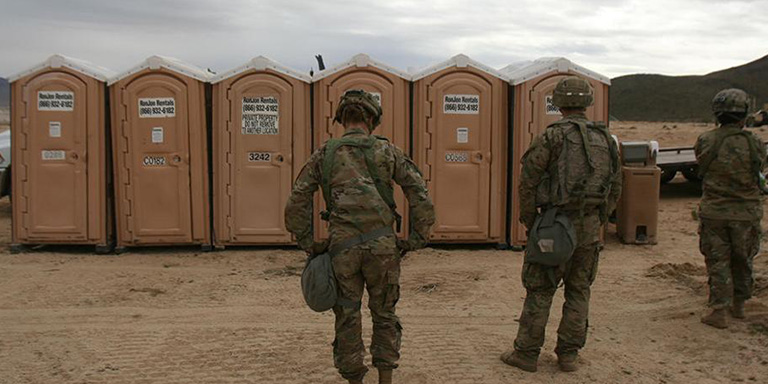
Digging, cleaning and filling latrines is probably the least fun thing you'll do in the field, but it has to be done. There are dozens of types of latrines — too many to review here — so we'll focus on the most common. All latrines should be located at least 100 meters from your camp, preferably downslope and downwind, and at least 100 meters from any natural water source.
Chemical Toilets
If you're lucky and stationed near an urban area, you'll have access to chemical toilets provided and serviced by a vendor. These are as low-maintenance as field latrines get.
Cat-Hole Latrines
A cat-hole latrine is used when your unit is on the move and spending no more than one night in the same location. Simply dig a one-foot by one-foot hole and fill it with dirt when you're ready to move out.
Straddle Trenches
These are suitable for stops up to three days. Each trench is dug one foot wide, three feet deep and four feet long. Multiple trenches should be spaced at least two feet apart, and each one can accommodate two soldiers at a time. Construct separate facilities for males and females and place boards alongside each trench for better footing. Place toilet paper in closed or covered containers to protect it from rain and wind. Pile the excavated dirt nearby and be sure to completely fill and pack down each trench before you move out. Straddle trenches should be closed and replaced whenever they're filled to within one foot of the top.
Deep Pit Latrines
A deep pit latrine is used when your unit plans to stay in place longer than three days. Dig a pit two feet wide and eight feet long; the depth should be one foot for each week the latrine will be used, plus one extra foot for filling and closing. Each pit can accommodate 100 personnel (four at a time). Build a simple four-seat box long enough to cover the entire pit and pack dirt tightly around the base to minimize flies.
Mound Latrines
A mound latrine is similar to a deep pit latrine but is used when digging deep holes is unfeasible, either because the water table is too high or because the soil is too rocky. Rather than digging straight down into the ground, build a mound of earth six feet high and twelve feet in diameter using several tightly-packed, one-foot layers of softer topsoil, then dig a pit latrine into the mound and reinforce the walls with planks or branches. It's critical to pack the layers as tightly as possible because loose soil could cause soldiers to fall or even cause the entire latrine to collapse.
Burn-out Latrines
These are ideal for areas with very hard soil or very high water tables. Construct a single or multiple-seat latrine using large metal barrels. Install wooden seats that are self-closing and easily removable. When the latrine is half full, incinerate the waste using JP8 jet propulsion fuel or standard gasoline. Continue burning the waste until only dry ash remains. Use extreme caution, never add fuel to an existing fire, and follow all safety procedures mandated by your FST or medical officer. Construct two separate barrels for each latrine so that one is always available for use while the other is being burned out.
To close a latrine, fill it with one foot of dirt, pack it down tightly and spray it with a DOD-approved insecticide. Repeat this process until the latrine is full, then add and spray a final one-foot layer. Place a dated sign that clearly marks the area as a closed latrine.
Garbage & Solid Waste
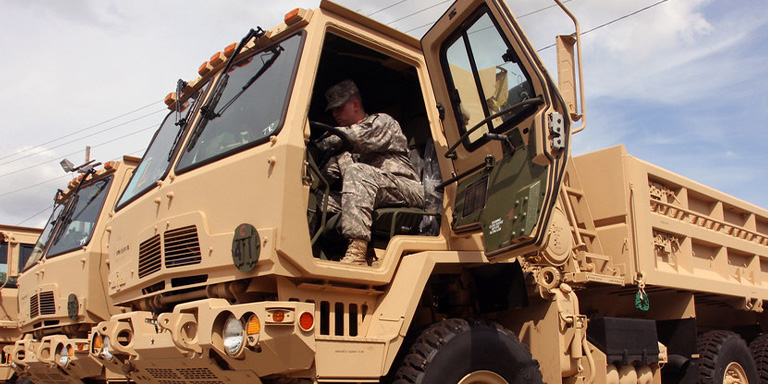
Food and non-food solid waste should be disposed of in separate containers and collected in separate dumpsters or disposal sites. Garbage and recyclable materials should further be segregated into separate containers. Disposal sites should be at least 100 meters from camp and from any natural water source, preferably downslope and downwind from your eating and sleeping areas. Collection and disposal of non-hazardous waste is the responsibility of each individual soldier. Whenever possible, sanitize and reuse items so as to reduce the amount of waste requiring disposal.
Remove non-food waste from collection points at least twice per week; food waste should be removed daily. Tightly seal all garbage bags and store them in closeable containers such as dumpsters or trash cans with locking lids. If you use vehicles to transport garbage to the disposal site, use vehicles dedicated solely to that purpose. Incineration of garbage, if appropriate, must be done according to a solid waste disposal plan approved by your commander.
If your unit is on the move, you can bury your garbage before moving out. A 4'x4'x4' pit is suitable for 100 soldiers for one day. To close the pit, cover it with one foot of dirt and pack it down tightly.
Liquid Waste
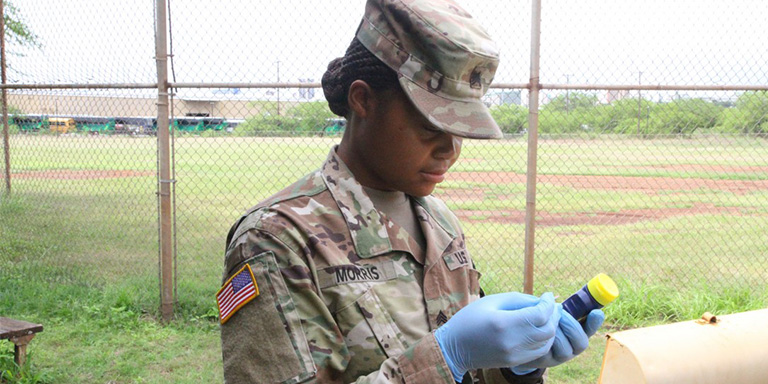
Black water is liquid human waste; its proper treatment and disposal is briefly introduced in the latrine section. Gray water is waste water from non-latrine sources, such as showers, sinks, laundry, and vehicle washing. All gray water disposal sites should be at least fifty meters from camp — downhill and downwind, if possible.
The best way to get rid of gray water is to coordinate with local waste management officials to use existing sewer lines, if there are any. Otherwise, you'll need to set up temporary treatment facilities. The three easiest options are soakage pits, soakage trenches, and evaporation beds.
Soakage Pits
To construct a soakage pit, dig a 4'x4'x4' hole and direct gray water drainage into it. A single pit of this size can absorb about 200 gallons per day, which is usually sufficient to handle waste water from a kitchen serving 200 personnel. Dig twice as many soakage pits as you need and alternate them daily to reduce the risk of clogs. A clogged soakage pit must be closed and filled.
Soakage Trenches
A soakage trench is preferred when the soil is too hard or the water table too high to dig a deep hole. It consists of a hole, two feet square by one foot deep, with a trench extending from each side. Each trench should be at least six feet long and should gradually slope down away from the central hole. Fill each trench and the central hole with gravel and place a grease trap in the center if the trench will receive kitchen waste. Non-kitchen gray water may be routed to any trench, but kitchen gray water must go through the grease trap. Dig one soakage trench per 200 personnel.
Evaporation Beds
Evaporation beds are ideal for areas in which the soil is exceptionally hard or the water table is unusually high. They also work well in hot, dry climates where evaporation occurs quickly. Dig a hole ten feet square and fifteen inches deep. Inside the hole, use a spade or e-tool to create two parallel rows of ridges. Each ridge should be roughly six inches tall, eighteen inches wide and four feet long. Constructed this way, each bed can accommodate twenty personnel worth of gray water per day. Once a bed is flooded to the top, allow three to four days after the water has completely evaporated before reforming and reusing the bed. Because you must construct multiple beds and rotate them based on usage, you'll need a lot of relatively flat ground (and a lot of manual labor) for soakage beds to be effective.
Grease Traps
Any gray water disposal system that receives kitchen waste must have a grease trap. Construct a simple filter-type grease trap using a 30 or 55-gallon drum. Drill several holes in the bottom, then add eight inches of gravel or small stones. Cover this bottom layer with eighteen inches of wood ash or sand, then cover the barrel with burlap to serve as a strainer. Place the trap directly over the soakage pit or trench and route all kitchen waste water into it. Empty, wash and refill the trap every two days or as needed.
Sanitary Foodservice
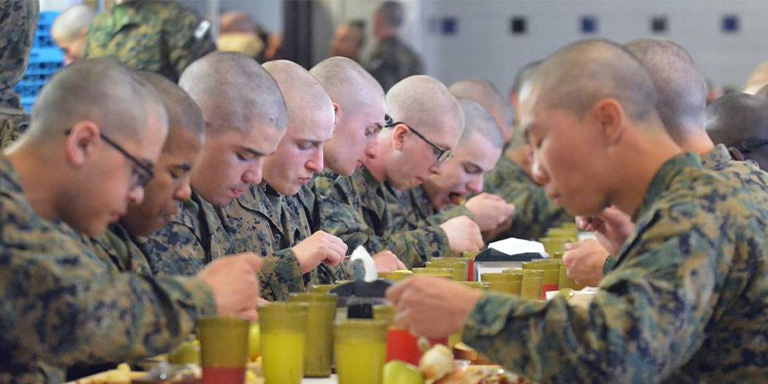
Your cooks and medical personnel will handle most foodservice tasks, but you may have to serve food or help clean up sometimes.
Handwashing
It goes without saying that you must wash your hands before handling food. Wash with soap and hot water for at least thirty seconds. If you transition between kitchen cleanup and foodservice, you must wash your hands again prior to handling food. Hand sanitizer, although useful, is not a replacement for soap (unless no soap is available).
Foodservice Personal Protective Equipment (PPE)
All foodservice personnel must wear disposable, single-use gloves and change them frequently. Beard and/or hair nets may also be required. Clean clothing and utensils are a must, and tobacco use is prohibited while handling food. Soldiers who are injured or ill are not permitted to handle food.
Identification & Labeling Water
Potable water is water that is sufficiently clean for drinking, handwashing or food preparation. Non-potable water may be reasonably clean but is not clean enough for these purposes; it can be used for laundry, showering or general cleaning in areas where no food is served. Water lines and storage containers must be clearly labeled either "potable" or "non-potable."
Water Purification
Water that visually appears to be clean but is likely non-potable may be purified for drinking or handwashing, if necessary. Preferred purification methods are boiling and chemical purification. Filtration alone is insufficient to render groundwater potable but it may be used to filter out large particles prior to boiling or chemical purification. Use only water purification tablets or chemicals approved by your FST or medical command.
Health & Hygiene
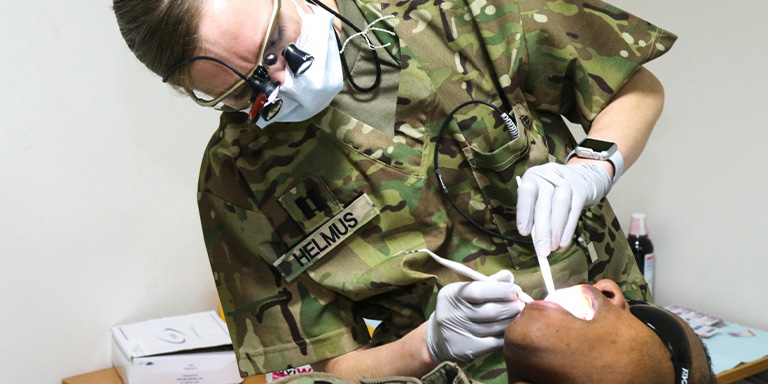
Staying clean and uninjured (to the extent that these goals are achievable in the field) is the best way to prevent your medical personnel from becoming overburdened. Of course, it's also one of the best ways to keep your physical health and morale high during extended outdoor living.
Flora & Fauna Education
Your FST should prepare and distribute reports on local plants and wildlife, particularly those that are in some way dangerous. Never approach any unidentified or potentially dangerous animal without a compelling reason to do so. The same goes for plants — touch or use them only if you know exactly what they are. Rashes caused by poison oak, ivy and sumac, although not life-threatening, are among the most common ailments that afflict soldiers living outdoors. These and other minor complaints can distract you from important tasks and damage morale over time.
Nutrition & Personal Hygiene
If you're fortunate enough to have a choice about what you eat in the field, opt for meat and fresh produce whenever possible. Avoid MREs, packaged snacks and foods high in sugar unless there aren't any alternatives. Age and sex-appropriate multivitamins are a cheap and easy way to ensure you're getting nutrients that may be lacking in your diet. Vitamins are especially important for women, who need iron, calcium and folic acid that field rations often don't provide.
Daily showers (or at least sponge baths) are critical not only for physical health but also for morale. It's really easy to get filthy and stinky living in the field for days at a time, and although you may not notice your own funk after a while, your fellow soldiers will. Be sure to keep your sleep and work areas clean and tidy as well, especially if your camp is in an area with abundant wildlife. Tensions — even fights — between soldiers living outdoors aren't uncommon, and cleanliness issues are sometimes the cause.
Vaccinations
Should you be living or working in an area in which dangerous diseases are endemic, your medical command will arrange for everyone in your unit to be fully vaccinated prior to deployment. If there's a medical reason you can't be vaccinated, such as a documented and severe reaction to past vaccines, let your commander know as soon as you get your orders.
Prevention & Treatment of NBDI
Like a balanced diet, PT and restful sleep are both essential to staying healthy in the field. In many ways, outdoor life is far harder on your body than you may realize at first. Regular exercise and good sleep are the best ways to keep your immune system functioning effectively and to increase your resistance to minor injuries.
Several military health studies suggest that urinary tract infections (UTIs) are a common and growing problem for female personnel in the field. Many women report going to the latrine less often than they should because it's a hassle to remove and re-equip all of their gear several times a day. Although this reluctance is understandable, "holding it" should be avoided because it dramatically increases the risk of a UTI, especially when living outdoors for extended periods.
Finally, ensure that you understand the health and safety risks specific to your area of operations. Know which animals are likely to carry diseases and survey the surrounding countryside for environmental hazards like unstable ground, high cliffs, poisonous plants or toxic substances. Share this information with your fellow soldiers and ask them to do the same.
When every soldier in your unit does their part to keep your camp clean and safe, illness and injuries are significantly reduced. Field sanitation is a wide-ranging topic, as is the prevention and treatment of NBDI. Your medical team should provide regular training on these topics, and you can always go to them with specific questions or concerns.