

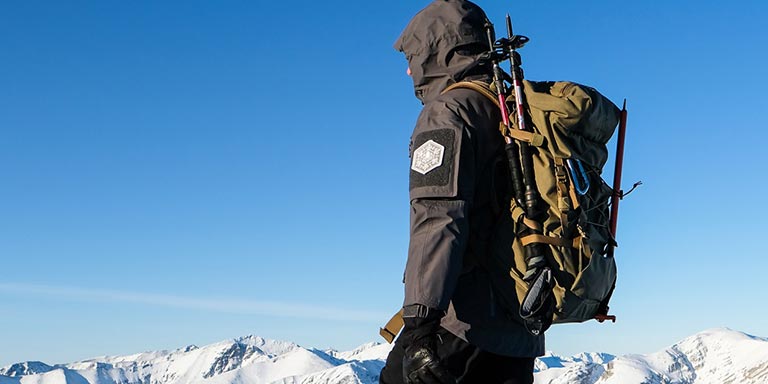
If you've ever spent any time above 8,000 feet, you know that high altitudes can present physical challenges ranging from mild to strenuous. You may just get slightly short of breath on a casual walk, but if you plan to do any exercising or manual labor at high altitudes, it's critical to prepare beforehand. In rare cases, extreme altitude sickness can even be fatal.
What is Altitude Sickness?
Altitude sickness, also known as acute mountain sickness (AMS), is a catch-all term for a variety of ways in which your body works suboptimally due to decreased oxygen and atmospheric pressure. Once you get about a mile above sea level, atmospheric pressure drops significantly enough to have several effects on the oxygen both outside and inside your body.
Recall from freshman science class that gases expand to fill a container equally. In a sense, the planet's atmosphere is a massive container, but of course, the way that gases behave in the atmosphere is a lot more complicated than the way they behave in a bottle. Still, the basic laws of pressure and thermodynamics apply: at higher altitudes, you find cooler air and less pressure, which means that there are fewer oxygen molecules in any given volume of air than in the same volume of air at sea level.
Atmospheric pressure also plays a role in how efficiently your lungs take in oxygen and expel carbon dioxide. Oxygen molecules in your lungs need to be "forced" through various membranes, and atmospheric pressure aids in this process. In short, lower air pressure means that oxygen and carbon dioxide molecules move around less efficiently in your lungs.
All of this means that, because oxygen is a vital catalyst for one of your body's primary energy sources, high altitudes make all physical activities harder.
Signs and Symptoms of Altitude Sickness
Because altitude sickness shares signs and symptoms with many other ailments, diagnosing it can be a little tricky, but if you suddenly start experiencing these complaints shortly after a significant increase in elevation, it's generally safe to assume that the altitude is the culprit.
Shortness of breath, especially with strenuous activity
Dizziness
Muscle weakness
Nausea
Loss of appetite (or, less commonly, dramatically increased appetite)
General lack of energy
Trouble sleeping
Headaches
Mild forgetfulness or feelings of "mental fogginess"
Cheyne-Stokes respirations can occur with mild, moderate or severe altitude sickness, especially while sleeping. This is a pattern of breathing characterized by increasingly deep and/or rapid breaths followed by several seconds of no breathing at all. As long as other symptoms of altitude sickness are very mild or not present, Cheyne-Stokes respirations aren't a cause for concern. However, if they don't go away on their own after a week or so, you may want to consult a doctor, especially if you consistently wake up feeling tired.
Altitude sickness can be mild, moderate or severe. As a very general rule of thumb, its severity tends to correlate to how high up you are:
Mild: high altitude (8,000 to 12,000 feet)
Moderate: very high altitude (12,000 to 18,000 feet)
Severe: extreme altitude (higher than 18,000 feet)
However, everyone reacts to high altitudes differently. Some people may need longer adjustment periods than others or may be affected more severely, even at lower altitudes. Other people can rapidly ascend with few or no ill effects. Factors that can influence your physiological response to altitude include:
Age: Children and the elderly tend to be affected more significantly and require longer acclimation periods.
General physical fitness: A high level of cardiovascular fitness can help mitigate the effects of reduced oxygenation; poor fitness can have the opposite effect.
Preexisting medical conditions: Any chronic illness that affects your lungs, muscles, brain or blood can be exacerbated at high altitudes.
Tobacco or alcohol use: Heavy use of either can make you more susceptible to altitude sickness.
Training and transition time: If you've specifically prepared for your transition to high altitude and ascended gradually, the effects of altitude sickness can be greatly reduced or possibly eliminated.
Complications of Altitude Sickness
High-altitude pulmonary embolism (HAPE) and high-altitude cerebral embolism (HACE) are rare but serious complications of altitude sickness. People with existing oxygenation or circulation problems are at greater risk, so if you're in generally good health, it's very unlikely that you'd experience either unless you're venturing to extreme altitudes. Still, it's good to know what these conditions are and how to recognize them so you can get immediate treatment if they do come up.
Typically, HACE occurs at higher altitudes than HAPE and is more serious, but both of these are generalizations; exceptions do happen. Both conditions are caused by partially or completely blocked arteries, either those that feed your lungs (HAPE) or brain (HACE). Such blockages can occur when blood clots form as a result of spending long periods of time at high altitude, especially if you don't often do so.
These are the classic symptoms of HAPE:
Shortness of breath and weakness that get progressively worse
Cyanosis (blue skin, especially in the fingers, toes, nose, lips and ears)
Coughing, especially with blood or sputum
Warning signs of HACE include:
Symptoms of general altitude sickness that progressively get worse
Involuntary muscle movement or twitching
Confusion or otherwise altered mental status
If you notice any of these symptoms in yourself or others in your party, immediately descend 1,000 to 3,000 feet, with supplemental oxygen if possible. Get to a hospital or call an ambulance right away. HACE, in particular, can be fatal within a few hours if left untreated. Don't rapidly descend more than 3,000 feet — a drastic change in atmospheric pressure could make the problem worse.
Prevention and Treatment of Altitude Sickness
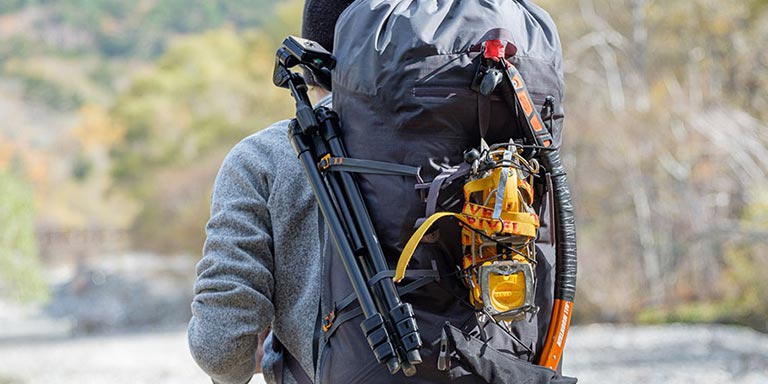
Like most other medical conditions, altitude sickness is easier to prevent than it is to treat. Most of the steps you can take to mitigate it before your trip are pretty simple.
Pre-Trip Training and Preparation
One of the best things you can do to prevent altitude sickness — developing cardiovascular endurance — is, unfortunately, one of the most gradual and difficult. The healthier your heart and lungs, the better they'll be able to withstand significant changes in elevation. Devote adequate time and energy to a cardio training regimen tailored to your age, current fitness level and planned activities.
If you regularly smoke or drink alcohol, cut back as much as possible (ideally to zero) at least a few weeks before your trip. This becomes more important the higher you plan to go.
Should you have a medical condition that's likely to be exacerbated at high altitudes, consider supplemental oxygen if you don't already use it. Most doctors will write you a prescription for a portable oxygen tank, but you may have trouble getting your insurance to cover it if you haven't had a documented need for oxygen in the past.
When you're ready to ascend, do so slowly. If you plan to go higher than 8,000 feet, don't ascend more than 3,000 feet per day if possible. Once you get higher than 12,000 feet, limit daily elevation gains to 1,000 feet or less. Sleeping for at least one full night at your new elevation provides the greatest benefit in terms of adjusting to the thinner air. If nothing else, follow the age-old climber's rule of "climb high, sleep low" (at elevations above 12,000 feet, it's okay to ascend up to 3,000 feet in one day as long as you descend to and sleep at an elevation to which you've already acclimated).
Limit physical activity as you ascend, especially if you're not already in outstanding shape. Give yourself at least a few days to adjust to any significant increase in altitude before doing intense exercise. Drink plenty of water and rest as often as needed if you're climbing or hiking.
Treatment of Altitude Sickness
Once you're well above sea level, you may find yourself feeling under the weather even if you've done your best to prepare adequately. The best treatments for mild or moderate altitude sickness are plenty of rest and adequate hydration, with minimal physical activity. However, don't get sedentary, as this can increase your risk of HAPE or HACE; at least walk around and stretch every few hours. Eat some extra calories if you can, but don't force yourself to eat if you're feeling nauseous.
There are medications for altitude sickness, but it's important to note that, with one exception, these medications only mitigate symptoms. They don't treat the underlying physiological causes of altitude sickness; you still need to take it easy and give yourself time to adjust.
If needed, you can try these over-the-counter medications:
Benadryl or melatonin for insomnia
Pepto-Bismol for digestive issues
Seasickness/motion sickness patches for dizziness or lightheadedness
Tylenol or aspirin for headaches
Ibuprofen for muscle pain
If you plan to spend time at very high or extreme altitudes, or if you've had bad altitude sickness in the past, ask your doctor about acetazolamide, the only medication that can help you acclimate to high altitude more quickly. If you're at high risk of developing serious complications, you may also want to ask your doctor about dexamethasone, a steroid that may help prevent or reduce severe symptoms.
Complications from acute altitude sickness kill hundreds of people every year. To be fair, most of those are people who venture above 18,000 feet, so if you plan to go that high, proper training is absolutely critical. Even if you're just planning a family vacation at a more modest elevation, a little preparation and know-how can stop altitude sickness from ruining everyone's fun.