

How your plate carrier is adjusted has a direct correlation on how effective and secure it is. Adjusting your carrier may sound like a simple task, but if it’s not done properly, it could mean a difference between life and death. There are a wide variety of plate carriers available, and most allow for adjustment of the shoulders and waist. Before we get started, it's important to note that adjusting your carrier is often much easier with someone else’s help. This is because some models have adjustment points that are difficult to reach on your own. For the best results, have someone help make adjustments as needed once the plates are inserted. Then attach any additional gear to customize your plate carrier, if needed.
Step 1
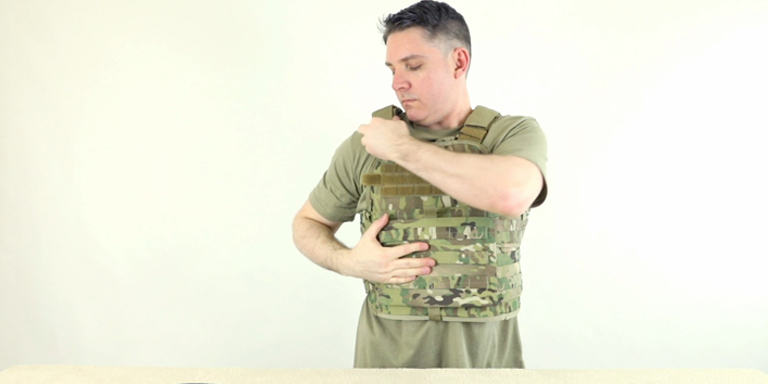
First, put the empty plate carrier on and adjust the shoulder straps. Ensure both shoulder straps are even and aligned. This is an important step because the shoulder straps keep the plates straight.
Step 2
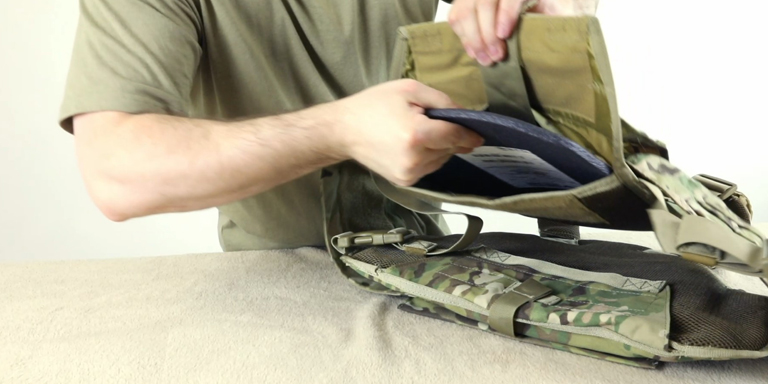
Next, remove the carrier and load the front and black plates. The front plate and back plate should be evenly aligned. You should be able to adjust the level of the back plate using the shoulder straps.
Step 3
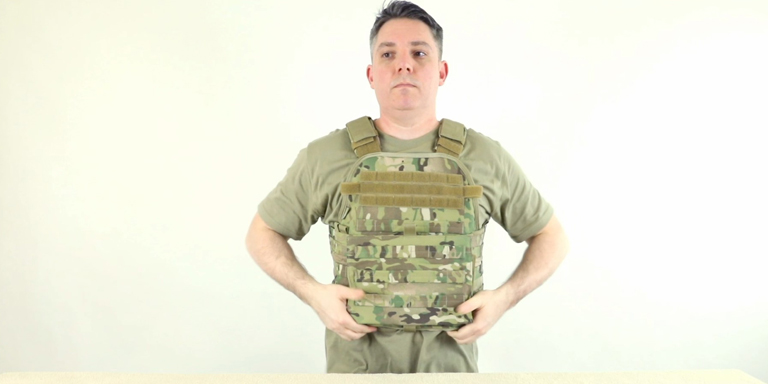
Once you’ve adjusted the carrier, the next step is to put it back on and check the fit. The carrier should feel snug and tight, you should be able to feel yourself breathing against the plates. Ask your friend to help align your plates or use a mirror if that’s not an option. A common mistake is wearing the plate carrier too low.
Step 4
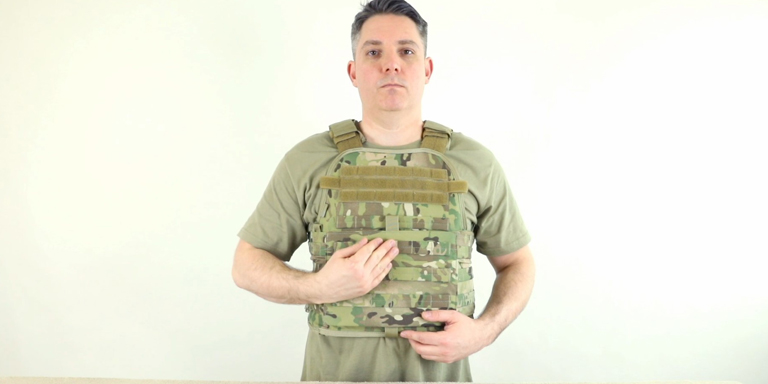
It’s important to note that the front plate should completely cover your sternum. This is what provides protection to your heart and lungs. If this is not the case, adjustments need to be made.
After you’ve adjusted your plate carrier, it’s important to ensure the fit is snug and tight. You can double check this is by taking deep breaths, you should be able to feel yourself breathing against the plates. If you raise your arms in the air and bend down left and right, or move your torso in any direction, the plate carrier should move with you as opposed to against you. It should not shift or pinch you anywhere. Another step you can take to ensure that your carrier doesn’t shift is to do a few burpees. If you feel your carrier shifting, you’ll need to adjust accordingly.