


To most people, the word interrogation on its own often conjures visions of bright lights and questionable tactics used to elicit or force a confession. The term "interrogation," however, is outdated — nowadays, the process is called "custodial questioning" or a "custodial interview." In a custodial police interview, the subject isn't free to leave; during a non-custodial interview, the subject can leave at any time. When conducting a custodial interview, knowing the right tactics and techniques is essential to getting the truth out of a suspect.
Miranda Warnings
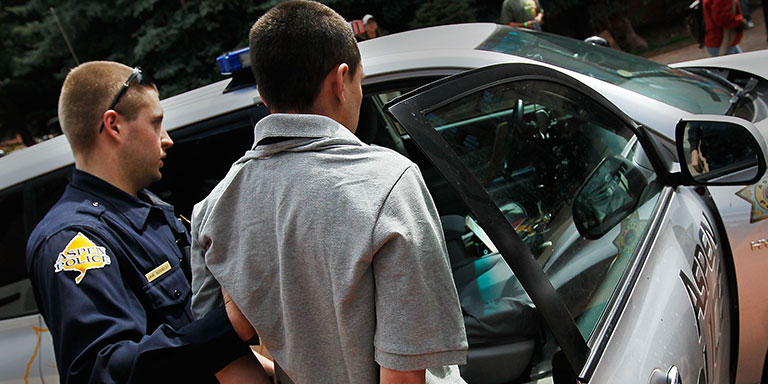
Much has changed over the years regarding custodial interviews. The U.S. Supreme Court decision Miranda vs. Arizona has long established that if a person is not free to leave and is being questioned about a crime, they must be read their rights, or Miranda warnings. There are five Miranda rights every suspect has.
-
"You have the right to remain silent."
The most fundamental right is the right not to cooperate or say anything.
-
"If you give up the right to remain silent, anything you say can and will be used against you in a court of law."
The second right makes it clear that any information a person provides law enforcement can be used against them in any future legal proceedings.
-
"You have the right to a lawyer either before or during questioning."
The third right informs the individual that they have the right to legal representation before or during any custodial interview. This is the right people choose to exercise most often.
-
"If you cannot afford an attorney, one will be provided before questioning."
The fourth right informs the individual that they have the right to a lawyer without the need for payment.
-
"A decision to waive these rights is not final, and you may withdraw your waiver either before or during questioning."
The fifth right lets the subject know that they can assert any of their rights at any time during the interview process, even if they waive their rights initially. This often happens when a person sees the weight of evidence against them. The common term is "lawyering up."
Following these five warnings, the investigator must ask if the interviewee understands their rights as they were explained to them. Provided they confirm that they understand, the investigator must then ask, "With these rights in mind, do you wish to talk to us now?" A person must knowingly waive all five rights in order for a police officer to conduct a custodial interview. A person who refuses to speak or requests a lawyer will usually provide no information. Very few lawyers will consent to a custodial interview of their client.
It is up to a very skilled investigator to convince a suspect that it is in their best interest to talk. The person may already be under arrest and want to convince the investigator of their innocence; if this is the case, the investigator should be ready to conduct their custodial interview.
Talking to the Police
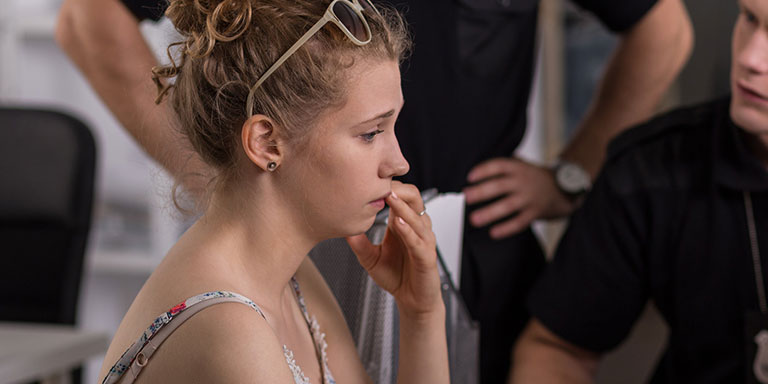
There are many reasons why people in custody choose to talk to the police. In some custodial interviews, the suspect will provide sufficient information to clear them of the crime in question. In other cases, the suspect simply wants to get their side of the story on the record. The accused person may offer an affirmative defense, like claiming they committed the act in self-defense.
A good interviewer knows to enter the interview room armed with as much information as possible. This usually isn't difficult — a person is usually taken into custody near an investigation's conclusion, after sufficient evidence is gathered to prove the case.
Interview Techniques
Laying out the Case
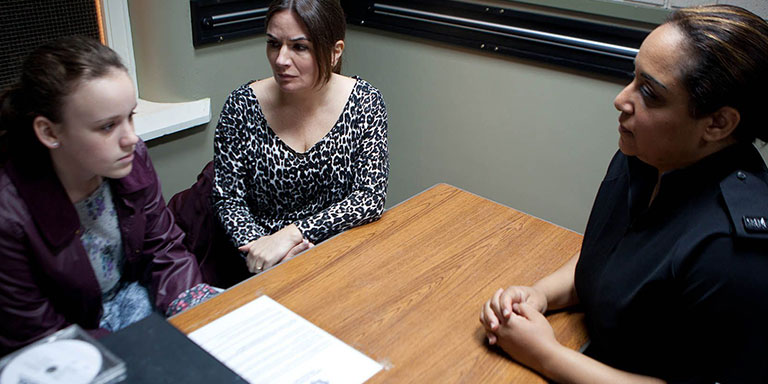
One technique is to talk to the person without asking them any questions. The investigator will methodically lay out the case against them, demonstrating how it will sound to a judge and jury. Many people can't help but argue their side of the case, giving explanations and excuses for the evidence presented.
At this point the suspect is talking without being asked a single question. Once they start talking, it's often difficult for them to stop. This is the perfect time to ask easy, clarifying questions about statements they have made. If they choose to be untruthful, their false statements may be used against them. Their dishonesty can demonstrate that they were concealing or misleading their involvement in the crime.
Minimizing Culpability
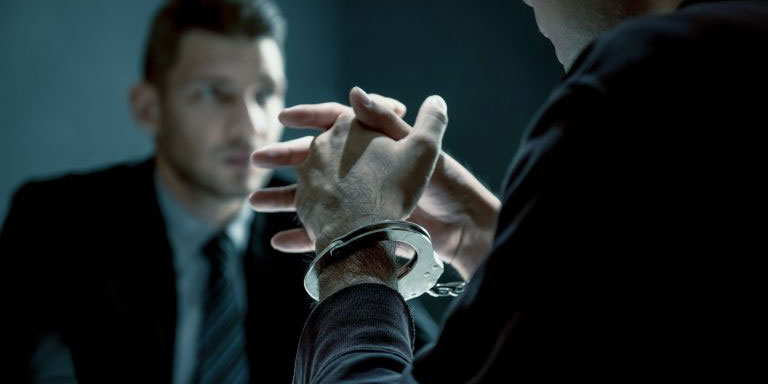
A good investigator will not try to trap or induce a person to confess to a crime, but rather work to get to the truth, whatever it may be. If the subject is discussing the incident, it will be natural for them to want to minimize their culpability. One persuasive technique an investigator can use is to suggest a narrative in which the suspect is only minimally at fault. Most people will see this narrative as a lifeline and grab onto it to attempt to explain their criminal actions.
The Reason Why
Another technique involves the investigator getting the suspect to focus on the reason why they committed their crime. Using this technique, the investigator explains to the person that they already know and can prove what happened — at this point, they are only interested in why the suspect chose to do what they did. The investigator gives two explanations as to why an event may have occurred.
One explanation is very damaging and portrays the suspect as a horrible person. The second possible explanation attempts to empathize with the suspect, painting them as someone who simply made a mistake. A good investigator will explain that the underlying reason a suspect committed an offense is often just as important as the actual event in the eyes of a judge or jury.
For instance, in the case of a drug dealer who provided improperly cut heroin that caused the death of an addict, this technique could be applied. The first horrible explanation the investigator presents is that the dealer purposely cut the drugs improperly with intent to kill the victim. The second, more empathetic explanation presented is that the drugs were improperly cut by mistake. The dealer was intoxicated, distracted, used a faulty scale — whatever excuse the investigator believes the dealer will accept. Given an either/or choice, most suspects opt for the second explanation because it seems to soften their culpability.
Custodial interviews are typically audio and/or video recorded. To enhance this technique, the investigator may explain that at some point, a judge or jury may listen to the interview. The subject may then be prompted to speak directly to the judge and explain the mistake and how sorry they are. This direct confession, while cathartic for the offender, will be powerful evidence at trial and hard to impeach or suppress.
The Guilty Victim
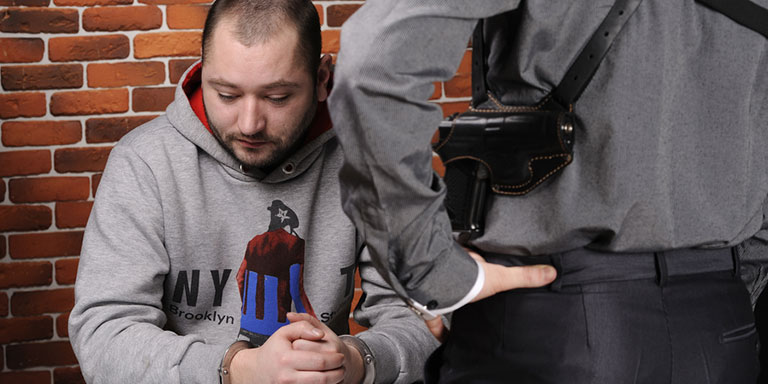
It's occasionally necessary during a custodial interview to portray the victim of the crime as having some level of culpability in the commission of the crime. While this sounds horrible, blaming the victim is a technique often used by defense attorneys in courtrooms to defend criminals. In some instances, an investigator can use this technique themselves, suggesting that the victim may have played a role in the crime; they left their car running or valuable property unsecured, enticing the thief to steal. This is a face-saving technique, but it can be a useful tool in securing a confession.
Identifying the Guilty from the Innocent
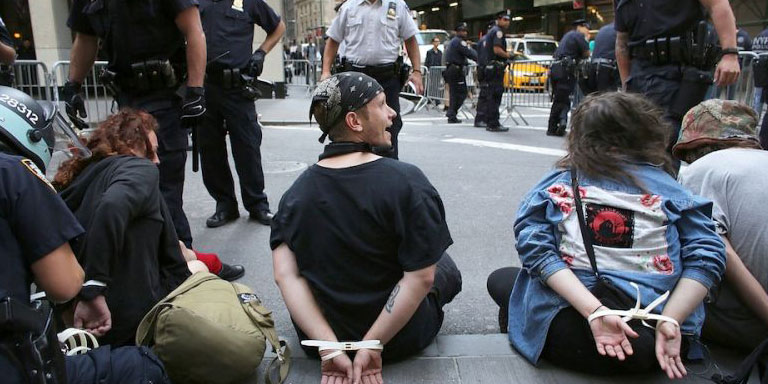
In some investigations, multiple suspects may or may not have committed a single crime. It's up to the investigator to sort out the innocent from the guilty.
Take this situation for instance: bullets are fired from a car, striking a pedestrian. Later that evening, the vehicle, with multiple occupants, is stopped, and all the occupants are taken into custody. Given no additional information, a skilled investigator will quickly have to ascertain whether or not the shooter was one of the people removed from the car. With each person in a separate interview room, a single question can elicit either a verbal or non-verbal response from the suspects indicating guilt, innocence or a willingness to tell what they know. Here's one example: "What if I were to tell you that we have identified the shooter and are now waiting for our forensics officer to arrive and run a gunshot residue-test on your hands?"
A long list of reactions to this question are possible. The guilty suspect might start rubbing the back of their hands or dropping them below the table, subconsciously trying to conceal them. Detectives can formulate different behavior-provoking questions for different situations (note: in this scenario, the investigator didn't lie to the suspect; they only asked a "what if" question).
Handling Objections
Objections can be a problem and a sticking point in many interviews. When the investigator makes an accusation, it is normal for both a guilty and an innocent person to object. The investigator should quickly dismiss these objections and move on. The more times a guilty person is allowed to profess their innocence, the harder it will be to get them to admit they were lying later. With time, an innocent person's objections will become louder and more direct. A guilty person, on the other hand, will still object, but they'll be less direct. They'll say things like, "I couldn't have done it," or "I had no reason to do that" without very convincing emphasis.
A word of caution: people who are street-wise and have been through the system multiple times will be compelling in their proclamations of innocence. No one technique will work on everyone.
Reading a Person

Many investigators understand that the majority of communication is non-verbal; a lot of it has to do with eye movement and contact. The eyes have been described as "the windows to the soul." Knowing how to read them, however, requires advanced training. Equally important are the physical gestures a person may demonstrate. Everything from foot-tapping, to lint picking, to touching one's face as they answer a question has an important meaning in the context of a custodial interview. A person who touches their face as they answer a question may be attempting to sub-consciously cover the lie they are telling. People who do this often repeat the behavior during or just before dishonest answers.
One investigator, dealing with a particularly difficult suspect, pointed out every gesture the suspect made as they made them. After a few minutes, the suspect was sitting perfectly still, like a statue. The investigator then discussed the suspect's blood pressure, heart rate and the flushing of his face. The investigator finally mentioned the suspect's pattern of breathing and what the pattern indicated. The suspect, trying to hold their breath, almost passed out before finally confessing.
Police officers can attend several professional interview schools. Any officer with an eye on a detective's shield should take these classes and begin to learn and master interviewing skills. They should start to build their investigative techniques each time they interact with a suspect.
Conducting custodial interviews is both an art and a science. Each interview will have its own strategy tailored by the investigator to the specific circumstances and suspect. It will often take a seasoned investigator to get to the truth, clearing the innocent while identifying the guilty.