

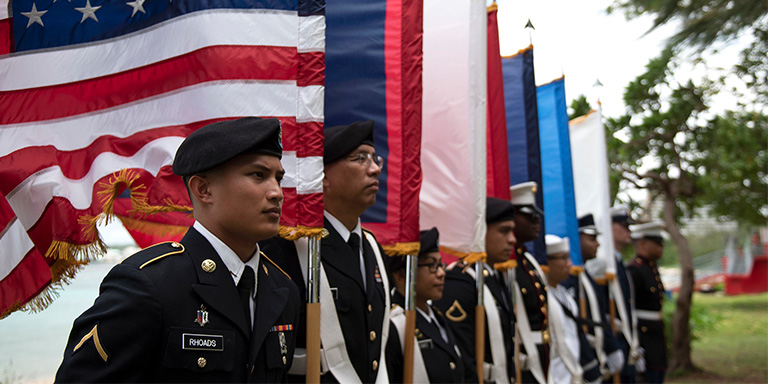
Most people have a basic understanding of the purposes of each branch of the military, but if you're thinking about joining any of them, more research may be in order. If there's a specific kind of work you want to do (or not do) in the military, it will be helpful to know exactly what each branch is (and isn't) responsible for.
United States Army
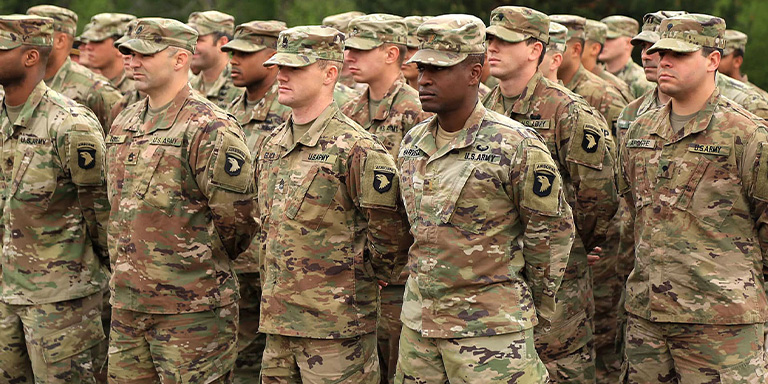
Created in 1775, the Army is the oldest branch of the U.S. military and conducts the majority of ground-based combat and support operations. With about 1.1 million personnel as of 2021, the Army comprises nearly half of total U.S. military manpower, making it the largest of the five branches by far.
In wartime, the majority of boots on the ground in other countries are Army boots, but many of those soldiers are working stateside during peacetime as well. Army Reserve and National Guard troops assist first responders during natural disasters and large-scale medical emergencies. They also work with local police to respond to major incidents such as riots and bombings.
Reserve and National Guard soldiers perform different jobs at different levels. The Army Reserve is funded and managed by the federal government, whereas each state maintains its own National Guard force. For large-scale domestic emergencies confined within the boundaries of a single state, that state's National Guard can usually respond more quickly and effectively than Reserve soldiers, although the two can and do work together.
Army weapons and vehicles include cargo airplanes, tanks, and field artillery batteries. The Army also maintains control of most of America's nuclear warheads. The majority of U.S. military helicopters are owned and operated by the Army, although the Air Force controls most other types of aircraft. This is because combat helicopters, in practice, are more like ground vehicles than aircraft in terms of how closely engaged they are with infantry forces. Keeping ground personnel and helicopter crews in the same command structure and communication networks means that operations involving both are much safer, easier, and more effective.
Finally, the Army maintains four separate elite units of top-tier operatives: Delta Force, the Green Berets, the Night Stalkers, and the Rangers. Shop Army Gear Shop Army Uniforms
Delta Force
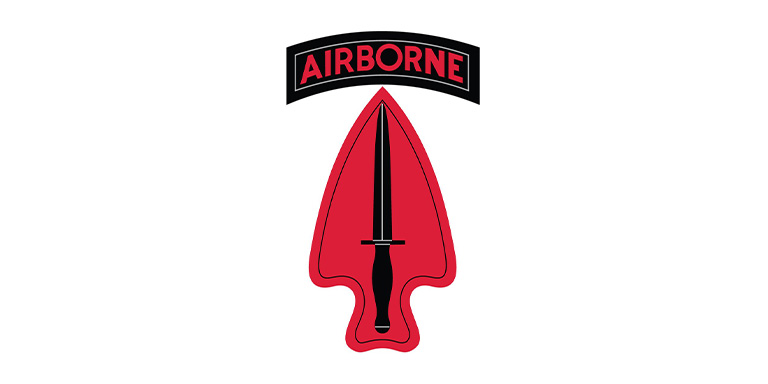
Delta Force is the smallest and most selective Army Special Forces unit. Its existence is not supposed to be public knowledge, but as social media and the 24/7 news cycle made it increasingly hard to keep secrets in the early 2000s, Delta Force became widely known. These cream-of-the-crop warriors conduct short, highly difficult, highly dangerous missions around the world, capturing or eliminating America's most wanted.
Green Berets
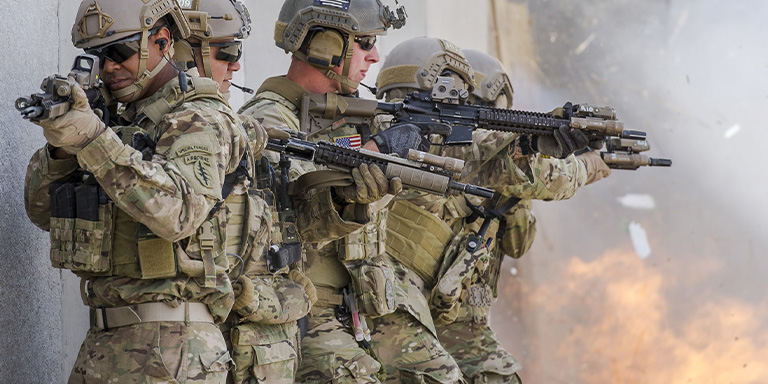
In contrast to Delta Force's quick, precise strikes, the Green Berets typically conduct long-range operations that last months or years. They often work with foreign guerilla fighters to gather intelligence, infiltrate enemy forces, or topple powerful cartels (read more about guerilla warfare tactics here). In many cases, information collected by Green Berets makes Delta Force operations possible.
Night Stalkers
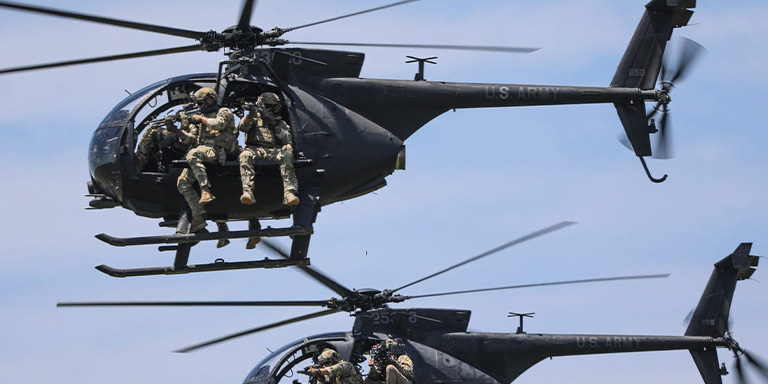
The Night Stalkers are pilots—the best of the best. It's often said that they can fly anything with rotors, anywhere in the world. They fly critical missions at night, in high winds and through storms. When Delta Force or Green Beret soldiers need a ride, and when failure is absolutely not an option, they call the Night Stalkers.
Army Rangers
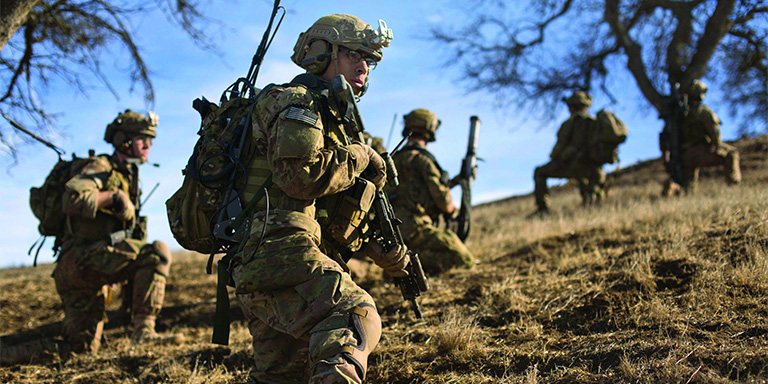
Founded during WWII, the Army Rangers may not be quite as elite as Green Berets or Delta Force, but make no mistake: they're still top-tier fighters. They handle unusually dangerous or difficult missions that regular Army soldiers may not be cut out for, including hostage rescue, airfield assaults, or reconnaissance deep behind enemy lines. Many Delta Force and Green Beret soldiers started out as Rangers.
United States Navy
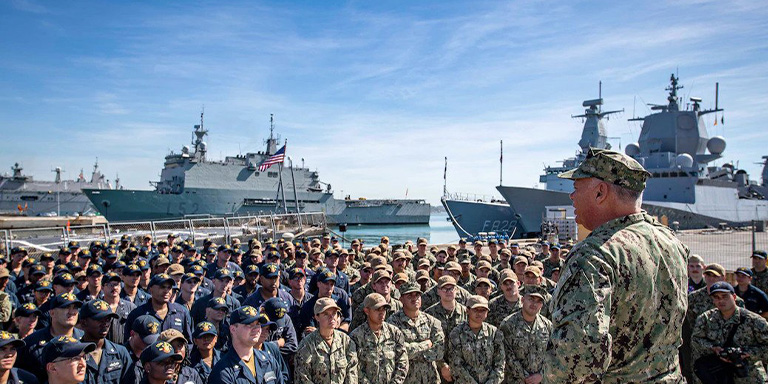
The Navy is the second-oldest and third-largest branch of the U.S. military. With 347,800 personnel as of 2021, it accounts for 15.5% of the military's total manpower.
The Navy has two primary roles: to protect U.S. interests at sea and to support the Air Force by deploying aircraft carriers to areas that lack runways. Its battleships and submarines conduct sea-to-sea and sea-to-land combat operations and patrol U.S. waters to maintain border security; it shares this latter responsibility with the Coast Guard.
In addition to these roles, the Navy transports Marine infantry forces to training exercises and combat zones. The Marines lack several MOSs entirely, such as combat medics, so the Navy provides those personnel to Marine units as needed. Navy ships also provide sea-to-land fire support to Army and Marine ground forces when required.
Naval Reserve sailors supplement regular Navy forces in times of critical need. Like the Army Reserves, the Navy Reserves are federally funded and managed; Reserve sailors are deployed around the world as needed. There's no Navy equivalent of the National Guard.
Like the Army, the Navy has several different elite combat units, but most have been effectively decommissioned or absorbed into one of its two more widely-known units: the SEALs (Sea, Air, and Land teams) or the SWCC (Special Warfare Combatant-Craft Crewmen). Both are overseen by the United States Naval Special Warfare Command (WARCOM), and both are home to some of the most elite technical operators in the world. Shop Navy Gear
Navy Sea, Air, and Land Teams (SEALs)
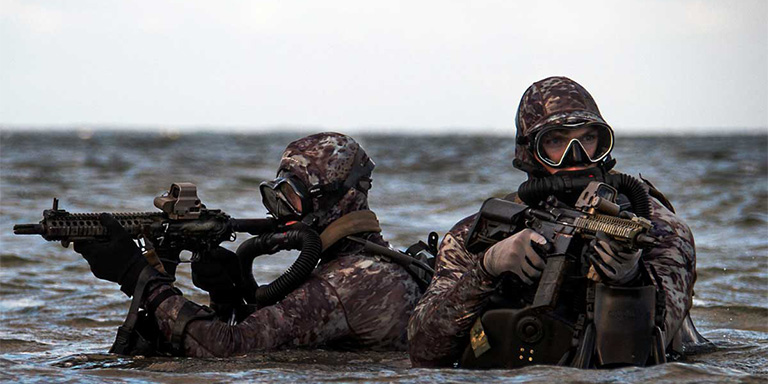
The SEALs conduct both amphibious and land-based combat operations targeting high-value targets in high-risk areas. SEAL Team 6 eliminated Osama bin Laden in a masterfully-executed raid lasting less than ten minutes, and the SEALs' other accomplishments are equally impressive.
Special Warfare Combatant Craft Crewman (SWCC)
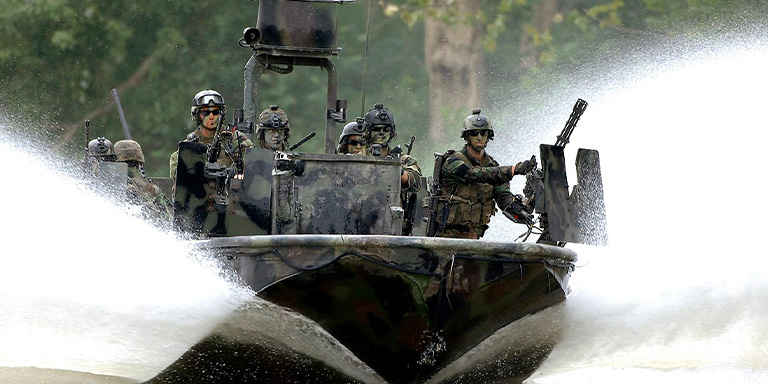
The SWCC are analogous to the Army's Night Stalkers, although they pilot boats as well as helicopters. They're primarily responsible for getting SEALs to and from their extremely dangerous missions, and for providing fire support when needed. Only the toughest and most accomplished Navy pilots have a shot at joining the SWCC.
United States Marine Corps
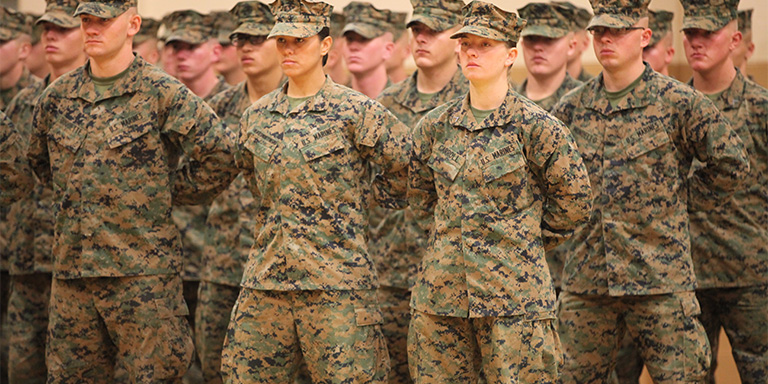
Founded in 1775 as the Continental Marines, the Marine Corps was initially a tiny, strictly amphibious combat unit that served mainly as guards and sharpshooters on Navy ships. The Continental Marines were disbanded in 1783 and recreated the following year, more or less in their modern form. As of 2021, there are about 288,000 total Marines comprising 13% of total U.S. military manpower.
Today's Marines function as something of a hybrid between soldiers and sailors, conducting both amphibious and land-based operations. They have their own aircraft but rely on the Navy for seacraft and for medical and logistical support. Less commonly, Marines work with Army soldiers to conduct ground combat operations.
The Marines have a large reserve component, but like the Navy, they have no state-based National Guard equivalent. Whereas Army Reserve soldiers are most commonly assigned to "backfill" non-combat positions vacated by active-duty soldiers who have been redeployed to combat zones, Reserve Marines typically support their active-duty counterparts directly. Shop Marine Corps Gear
Force Reconnaissance and Raiders
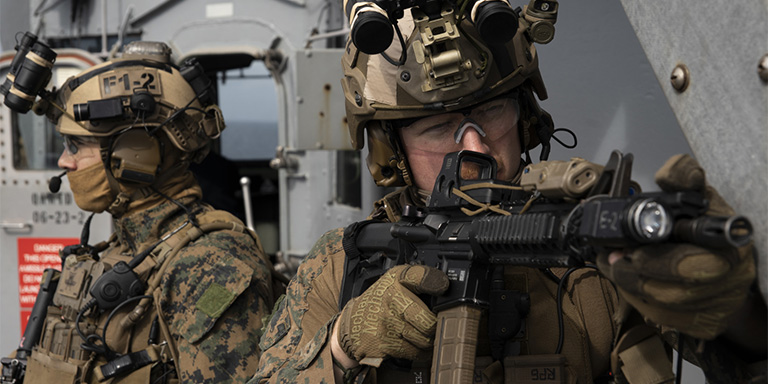
The two most well-known Marine special forces units are Force Recon and the Raiders, which serve different but complementary roles. Force Recon is primarily responsible for gathering intelligence in high-risk areas. Marine Air-Ground Task Force (MAGTF) uses that intelligence to plan operations, the most dangerous of which are carried out by the Raiders all around the world.
United States Coast Guard
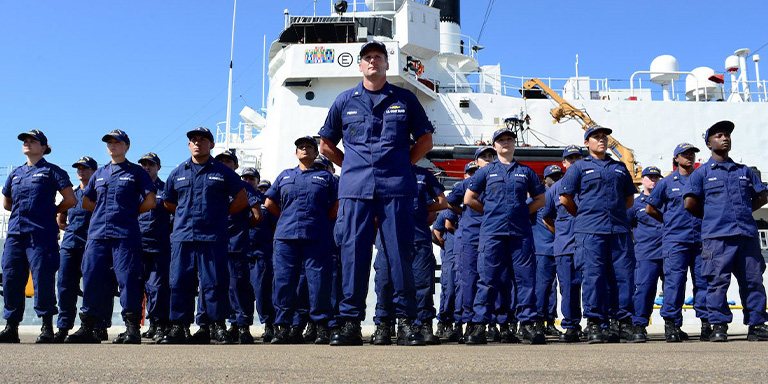
With just 48,000 personnel, the Coast Guard is the second-smallest branch of the U.S. military, but that doesn't mean its job is an unimportant one. The Coast Guard is something of a cross between the Navy and Border Patrol, monitoring U.S. waters for illegal drugs, weapons and other contraband. The Coast Guard is also responsible for domestic maritime law enforcement, boating safety enforcement and sea rescue operations.
In times of need, the president can reassign Coast Guard personnel and resources to the Navy. In such cases, the president can authorize Coast Guardsmen to operate in capacities or locations outside their normal duties. Like the Marines and the Navy, the Coast Guard has a federally-managed Reserve component but no National Guard equivalent.
Being chiefly a domestic law enforcement agency, the Coast Guard has no special forces units–at least not the same kind of special forces that the other military branches have. From 2007 to 2013, they did have a Deployable Operations Group (DOG) that conducted a number of anti-terrorism operations both domestically and abroad. Today, the Coast Guard has highly-trained tactical law enforcement teams (TACLETs) that are similar to SWAT units. Shop Coast Guard Gear
United States Air Force
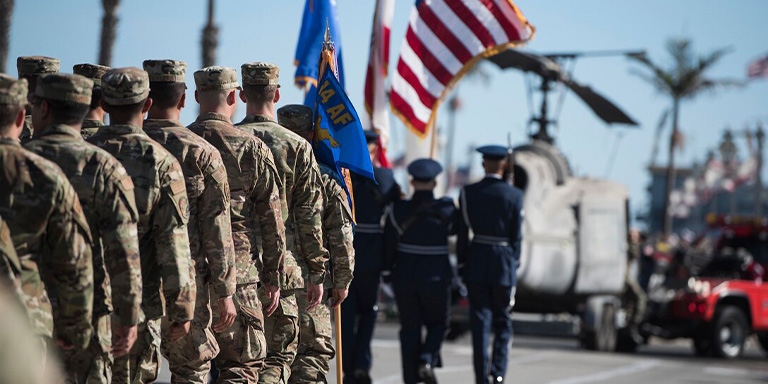
Until the creation of the Space Force in 2019, the Air Force was the youngest branch of the armed forces. With nearly 533,000 total personnel, it's second in manpower only to the Army.
From fighter jets to bombers to cargo planes, the Air Force's main job is to maintain and fly military aircraft (the Army has most of the helicopters, but the Air Force has a few of its own). It's rare for military operations to be solely the purview of the Air Force; in most cases, they provide both combat and non-combat air support for Army, Navy, and Marine missions.
The Air Force also launches and maintains satellites, and it either controls or monitors intercontinental ballistic missiles (ICBMs). Like the Army, it has both Reserve and National Guard components. Air Force special forces units include combat controllers, parajumpers, and weathermen. Shop Air Force Gear Shop Air Force Uniforms
Air Force Combat Controllers (CCTs)
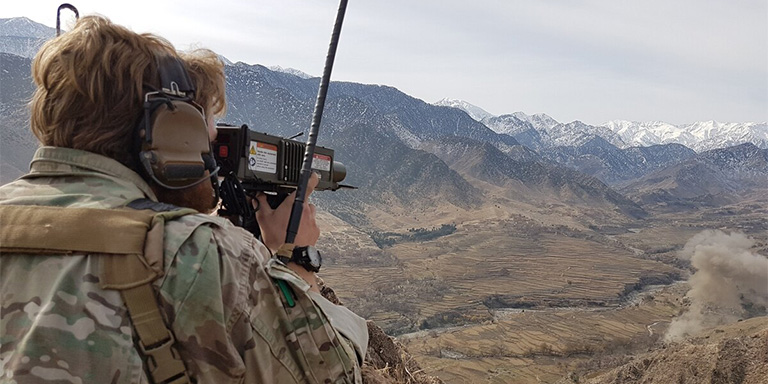
Among all the military's special forces units, Air Force combat controllers (CCTs) are unique in how they operate. Rather than forming their own units, individual CCTs are highly-trained combat experts attached to other special forces units to provide a wide range of additional skills. Most notably, CCTs are certified air-traffic controllers, meaning they can call for and coordinate air support without needing to wait for orders from air-traffic controllers hundreds of miles away.
Parajumpers (PJs)
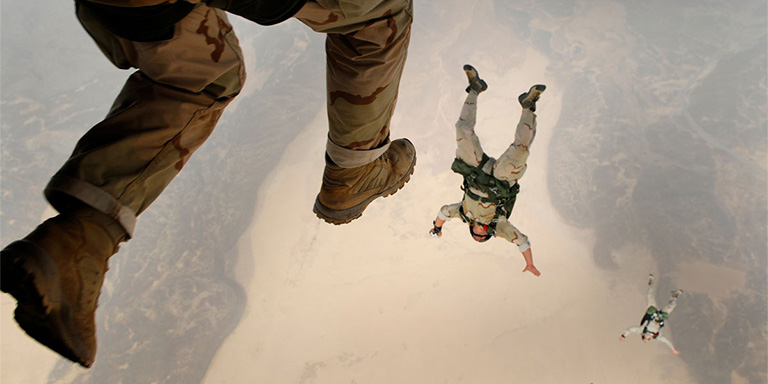
Parajumpers (PJs), also known as pararescuemen, form expert rescue crews. When friendly forces need emergency medical treatment or exfiltration, and when ground conditions preclude standard tactics, PJs enter the combat zone by parachute and provide much-needed support.
Air Force Weathermen
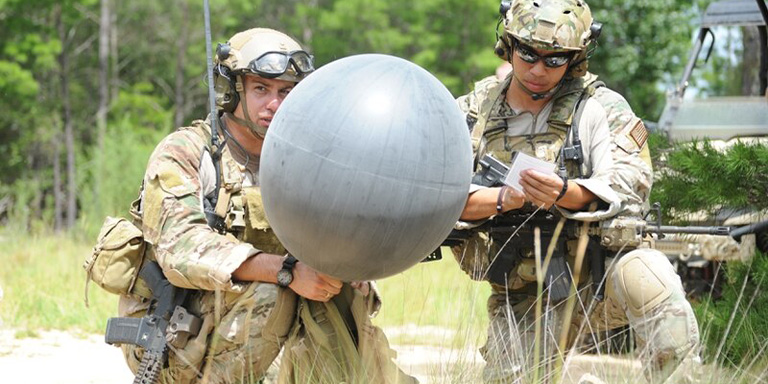
Air Force weathermen are considered special forces operatives because friendly forces engaged in combat often need immediate, accurate information on local environmental conditions in order to make life-or-death decisions. Because weather and terrain can have significant effects on missiles, cargo planes and other airborne assets, weathermen play critical roles in those systems as well. Weathermen also receive combat training far above and beyond that which regular Airmen undergo, making them valuable additions to any other special forces team.
United States Space Force
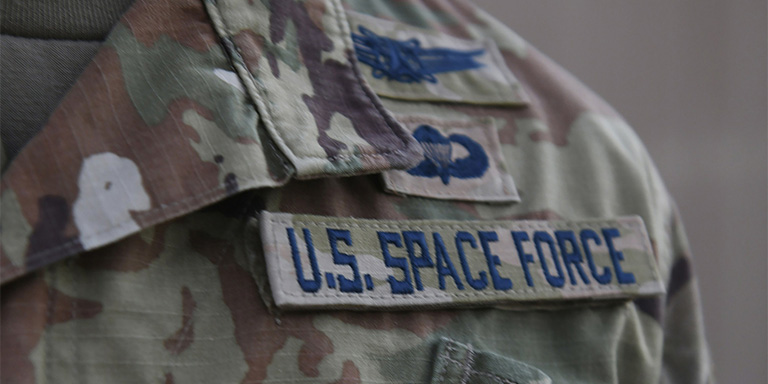
The newest and smallest branch of the military, the Space Force has just 2,500 personnel as of 2021, although there are 13,500 full-time Airmen assigned to support the Space Force as it evolves. The Space Force's overall mission is still somewhat loosely defined, but at some point, it will take over most or all space-based missions that currently fall under the Air Force's umbrella.
Today, the Space Force launches and operates a portion of U.S. satellites that are used for both combat and non-combat purposes. As space itself becomes increasingly more accessible, largely thanks to innovative and cost-efficient breakthrough technologies developed by private companies, the Space Force will come up with new ways to protect the U.S. from outside the Earth's atmosphere. For a more in-depth look at the military's newest branch, read up on everything you need to know about the Space Force.Shop Space Force Uniforms
Each branch of the U.S. military has different missions and methods, but they share the common goal of keeping Americans safe. If you're thinking about joining any of them, be sure to review our guides on questions to ask your recruiter and surviving basic training.