

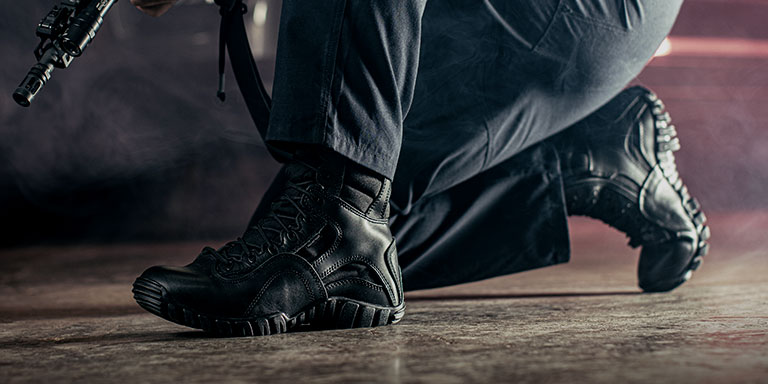
There's no one-size-fits all approach to breaking in your tactical boots. Everyone's experience is different. Without the right strategy, however, blisters and hot spots can appear and be a painful setback. In this article, we'll walk through essential tips to effectively break in your boots so they're ready to go as soon as possible.
Get the Right Fit
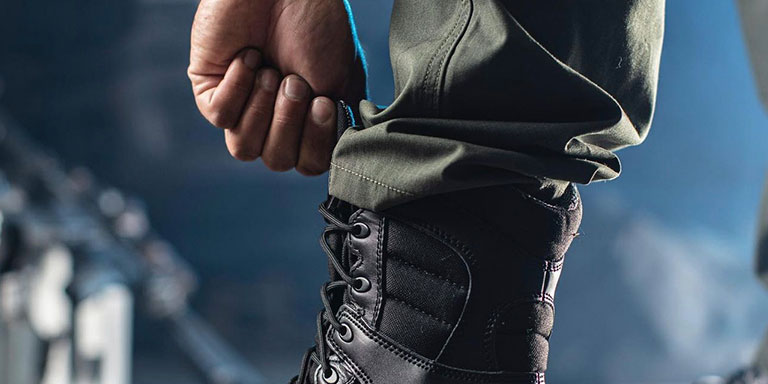
Comfortable tactical boots start with the right fit. Accurate measurements help avoid hot spots and blisters, and a Brannock device ensures accuracy. Measure your feet both sitting and standing to account for arch flexing.
When trying on boots, wear the socks you plan to use for a true fit. Since boot sizing varies by brand, always confirm the fit with each new pair. If your boots feel slightly tight, wearing thick socks during the break-in period can help stretch the leather for a better fit.
Starting with a proper fit prevents discomfort and provides the support you need, making your tactical boots feel like a natural extension of your feet.
Functional Features
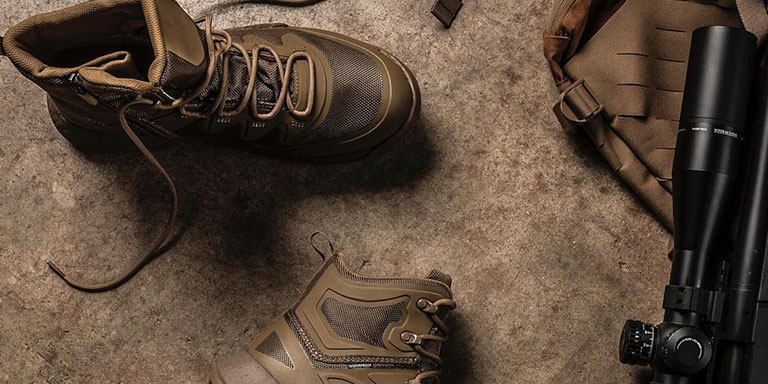
Wearing new boots for extended periods can lead to discomfort and blisters. Instead, start with short wear sessions of a few hours to let the boots gradually mold to your feet.
Increase wear time each day and walk on different surfaces to help soften the material and improve flexibility. Pay attention to any discomfort. Ignoring pain can lead to significant foot problems down the line.
Patience is key. Allow your boots mold to your feet slowly, and keep the leather conditioned to maintain flexibility and reduce discomfort.
Use Leather Conditioner
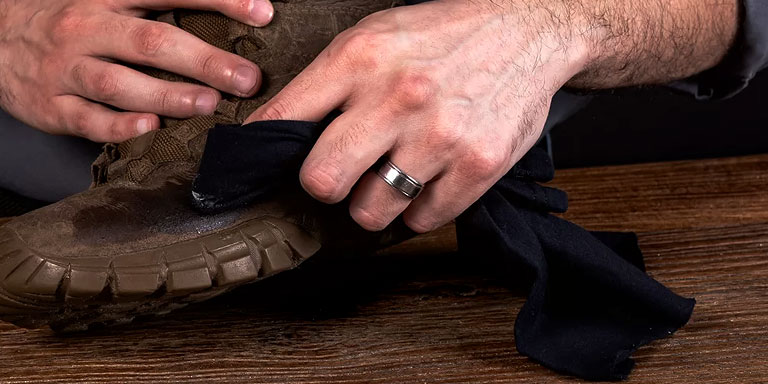
Leather conditioner softens boot fibers, making the leather more pliable and comfortable. Apply it generously to stiff areas like the toe box and heels to improve flexibility and reduce discomfort. Be careful not to over-condition―excessive use can weaken leather over time and reduce the longevity of your boots. Regular conditioning not only makes the break-in process smoother but also extends the lifespan of your boots. By keeping the leather supple, conditioner helps ease the break-in period while ensuring that your boots stay in top shape.
Use Boot Stretchers and Boot Stretching Spray
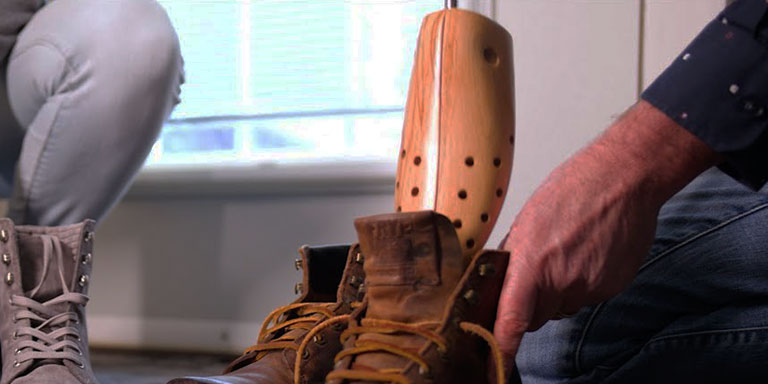
Boot stretchers and boot stretching spray help expand tight areas, reducing pressure points and preventing blisters for a more comfortable fit. For the best results, pair a boot stretcher with leather conditioner or softener to enhance flexibility. Stretch gradually to allow the material to expand without compromising the boot's shape. Too much pressure can lead to discomfort and a poor fit.
Using these tools can make a significant difference, ensuring your boots feel better and break in comfortably.
Minimize Friction
Friction causes irritation, blisters and hot spots, which can lead to pain and even long-term discomfort if left unchecked. Applying moleskin or foot powder can help shield your feet from the problems that come from your feet rubbing against your boot's material. These products create a protective barrier, reducing friction between your skin and the boot.
Choose the Right Socks
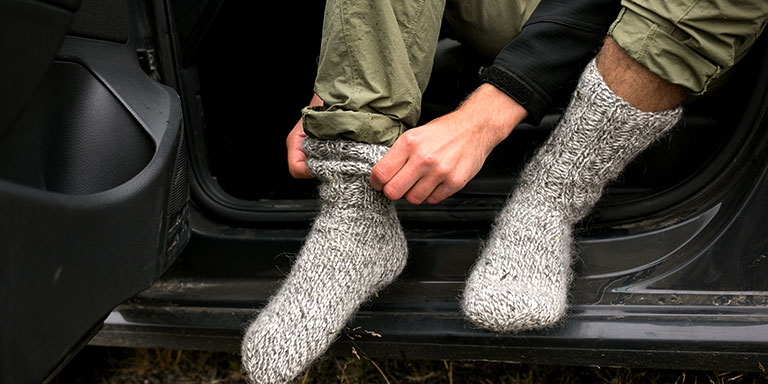
Thick socks offer extra cushioning and help reduce friction inside new tactical boots. Thicker socks or additional padding can minimize friction if certain areas of your boots rub against your skin. Wool socks, in particular, provide excellent padding while also wicking away moisture to keep your feet dry and comfortable.
The right socks make a significant difference in achieving a comfortable fit and preventing blisters. Investing in thick, wool socks can make all the difference in easing your break-in period.
Try Different Lacing Techniques
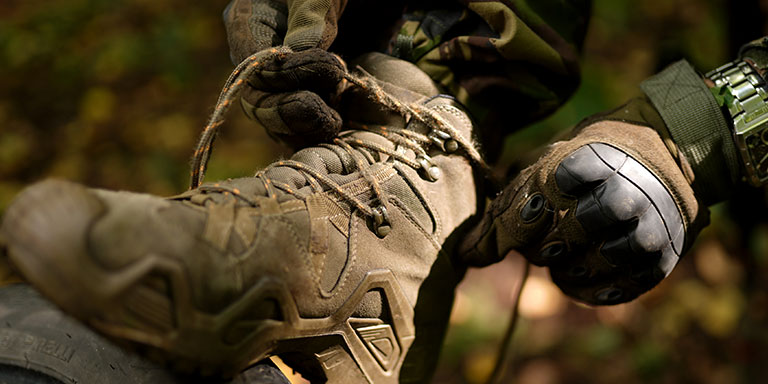
Adjusting your lacing technique can improve boot fit and comfort by reducing pressure points, preventing heel slippage and enhancing overall support. Different methods can help secure your foot in place that maximizes both comfort and performance. Below, we'll identify a few techniques that might make the break-in period smoother.
The heel lock method secures the heel in place, preventing your foot from sliding forward. The steps are as follows:
- Lace your boots in the usual criss-cross method until the second-to-last eyelet.
- Thread each lace into the top eyelet on the same side to create a small loop.
- Cross the laces and thread them through the opposite loops.
- Pull tight to lock your heel in place.
- Tie as usual.
A surgeon's knot enhances tension over the instep, providing a snug fit while still allowing circulation. The steps are as follows:
- Lace your boots in the usual criss-cross method until you reach a pressure point that needs extra tension.
- Loop the laces around each other twice. Pull tight.
- Lace up the rest of the boot as usual.
- Repeat the knot at other key points if needed for a secure fit.
These techniques can significantly improve how your boots feel. Don't hesitate to try different lacing patterns to find what works best for you.
Cleaning and Storage
Proper boot care extends their lifespan and keeps them comfortable. Regular cleaning removes dirt and debris that can weaken materials, while conditioning prevents cracking and maintains flexibility. Drying boots properly helps prevent mold and material breakdown.
Store your boots in a dry, cool place to avoid material deterioration and moisture damage. Check the soles regularly for wear and maintain them as needed to ensure longevity. Applying waterproofing products adds extra protection against precipitation and other liquids. Check out our guide to waterproofing military & tactical boots to learn how to do this.
With the right care, your boots will stay in top shape so you can rely on them in the field and beyond.
Common Mistakes
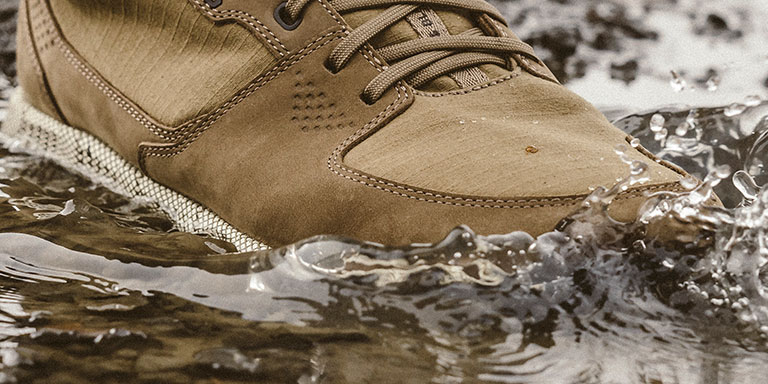
Mistakes during the break-in period can result in long-term damage. To avoid this, you can take these steps:
- Never soak your boots in water. This can cause warping and excessive stretching.
- Avoid wearing wet socks as this increases friction that can lead to blisters and discomfort.
- Don't use direct heat to dry wet boots as it can weaken the leather and ruin the fit.
- Address any pain or rubbing immediately to prevent further discomfort and long-term foot damage.
By steering clear of these common missteps, you'll ensure a smoother, more comfortable transition into your new boots.
Final Thoughts
Breaking in tactical boots doesn't have to be a painful experience. While there's no one-size-fits-all method, you can use this guide to ensure a more comfortable transition by focusing on proper fit, choosing the right socks, using boot stretchers and conditioners and experimenting with different lacing techniques. If you gradually increase your wear time, take care of hot spots early and properly maintain your boots, you will speed up the break-in process. With a little patience and the proper care, your new boots will be ready to go in no time.