

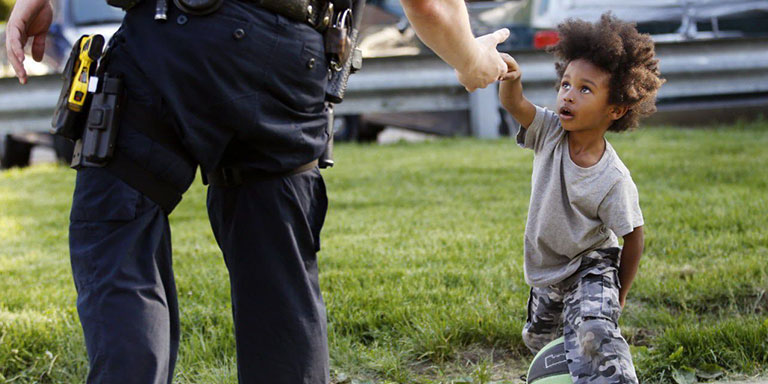
At least one in seven children will experience child abuse or neglect this year. This is a staggering statistic. Therefore, it is essential for law enforcement to be able to recognize what constitutes child abuse or neglect so it may be identified and investigated.
In this guide, we aim to help police officers understand what child abuse and neglect look like so they can help to mitigate against it and protect children from it. We'll define the terms, offer examples of red flag behaviors, and give officers vital tips on how to protect the most vulnerable among us.
Abuse and Neglect Defined

The Centers for Disease Control define four common types of abuse or neglect. It's essential for law enforcement officers to be able to recognize and differentiate between these types of abuse so they can begin to help fix the problem.
Physical abuse is the intentional use of physical force that can result in bodily injury. Examples include hitting, kicking, shaking, burning or other shows of force against a child.
Sexual abuse involves pressuring or forcing a child to engage in sexual acts. It includes behaviors such as fondling, penetration and exposing a child to other sexual activities.
Emotional abuse refers to behaviors that harm a child's self-worth or emotional well-being. Examples include name-calling, shaming, rejecting, withholding love and threatening.
Neglect is failing to meet a child's basic physical and emotional needs. These needs include housing, food, clothing, education, access to medical care and having their feelings validated and responded to appropriately.
Who Typically Spots an Abused or Neglected Child?
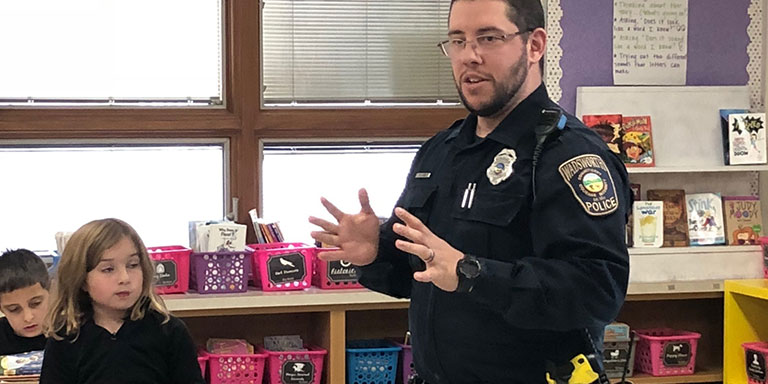
According to recent studies, teachers identify more cases of suspected child abuse or neglect than any other group. In addition, teachers are taught what signs to look for in both abuse and neglect.
The hours spent in a classroom allow education professionals time to observe a child's interactions, whether or not they have injuries or bruises, and their overall emotional state. States mandate that teachers promptly report suspicions about abuse or neglect either to child services, the police, or both. The astute observations of an educator initiate many police investigations.
Law enforcement officers are the next group most likely to identify child abuse and/or neglect. Police officers often initiate investigations into child abuse based on their observations. Police are trained to recognize signs of abuse and neglect. For example, officers may be at a person's home for an unrelated incident and notice a potentially abused or neglected child while they're on the scene.
A common scenario where this occurs is a drug raid, where dangerous drugs are present and accessible to young children. Additionally, those addicted to drugs often have no food in the home and provide unsanitary living conditions for the children living there. In many cases, with the help of child services, these children are immediately removed from this dangerous environment.
The third-most common reporting group is medical personnel, especially emergency room staff. Physical abuse often leads to serious injury. These types of wounds may be explained as innocent falls or play injuries, but medical personnel are trained to know the difference and will make the proper notifications to the police and child services.
Surprisingly, in fourth place are social workers or child services staff. These professionals make home visits to check on the welfare of children identified as at-risk.
Working Together to Protect Children
No matter who identifies a potential abuse case, it's crucial that all the professionals involved work together. Each person is essential to building a case that protects the child from further abuse or neglect. In addition, based on their observations and treatment, an educator and medical staff may provide significant evidence to further a law enforcement investigation.
The Family Services investigative unit should work closely with the police. It is the duty of the police to determine if laws were violated in the treatment of a child and to build a case to prosecute the illegal behavior. While Family Services assist the police, their main concerns are the child's safety and placing them in a safe environment.
How Police Investigate Child Abuse and Neglect Cases
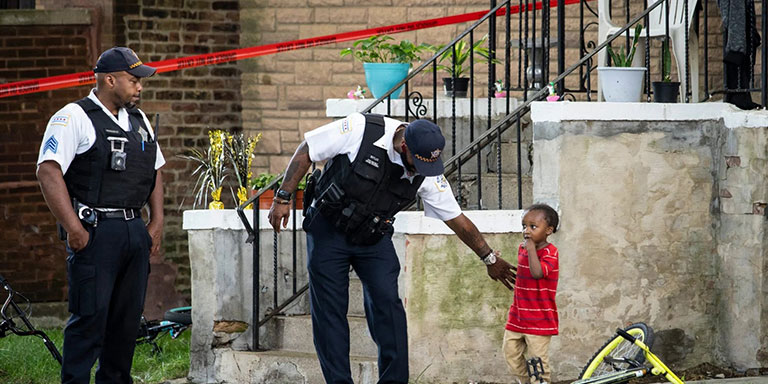
When officers come upon a scene where they believe a child is being abused or neglected, their first duty is to protect the child. In many cases, this means transporting the child from the scene to the police station (or the hospital if medical attention is needed). In addition, child services will be contacted and required to respond to the child's location. From there, it's up to the police to determine if a crime has been committed. Early signs include physical injury, signs of sexual abuse, signs of willful cruelty or extreme corporal punishment.
Neglect can be determined partly by the child's general physical condition, clothing, living conditions and available food in the home. If there is a specific scene where an illegal act took place, it must be preserved and processed by a crime scene unit, who will collect all available evidence.
The police will then identify possible witnesses and conduct witness interviews. However, even if probable cause exists that a crime was committed, officers must be cautious not to make premature accusations against a parent or guardian. A better approach is to explain that because of questionable injuries, marks, or allegations, the child is being taken into protective custody while an investigation is conducted.
By far, the most challenging interview will be with the victim. A young victim of sexual abuse requires special techniques. This interview should be handled by an interviewer with experience and specific training in conducting forensic interviews of child abuse victims. Most prosecutor's offices have one or more specifically trained persons experienced in the techniques used to interview an abused or neglected child.
Interviewing the Victim
Unless a police officer has received specific training in interviewing children, they should put their ego on the shelf and defer to an investigator experienced in this area. The investigating officer may view the interview from behind a one-way mirror or a video feed. Still, the child should have a one-on-one conversation with the specially trained investigator. Sometimes, interviewers use anatomically correct dolls, making it easier for a child to show where they were touched or what transpired.
The interview will likely follow several stages. The first is the introduction of the investigator and establishing a rapport with the child. If the abuser was an adult male, a female investigator might develop a level of trust with the child more easily.
A part of the interview will allow the child to speak on an unrelated subject they like, such as playing a sport or a game they like. This breaks the ice and allows the child to feel comfortable speaking. It also allows the interviewer to determine the child's ability to describe events that have already occurred.
There are three basic rules for interviewing a child who is suspected to have been abused:
1. The investigator should say, "Correct me if I make a mistake."
This phrase is useful to repeat back to a child to verify that what they communicated was adequately understood by the investigator.
2. Tell the child to say, "I don't know," rather than guess.
When explained adequately, the child will only share what they remember.
3. Tell the child to say, "I don't understand."
The child must understand the question the investigator asks. The question can be reworded or explained if the child does not understand. Interviews should seek to answer the first three of the seven question categories: who, what and where:
Who did this?
What happened?
Where did this happen?
The other four categories of questions require more thought, and can cause problems with memory:
When did this happen?
How long did this last?
How many times has this happened?
Why did this happen?
Questions dealing with time are challenging for a child to recall accurately. The last question may make the child feel guilty and confused by the motivations of others. Therefore, investigators should stress the first three questions when interviewing a young victim.
Signs of Neglect or Abuse
There are plenty of obvious signs of neglect, physical abuse and sexual abuse. Whether an officer notices a child while carrying out an unrelated investigation or is interviewing a suspected victim of abuse, they should keep an eye out for the following indications of abuse.
Neglect
Look for the absence of food in the house, especially in the refrigerator.
Observe the condition of the living space. Is it relatively clean, or are there signs of filth and neglect, such as the presence of rodent droppings or cockroaches in the child's sleeping area?
A neglected child may exhibit poor growth and may be small for their age.
Look for poor personal cleanliness (or a lack thereof).
During cold months, the neglected child may lack proper clothing, such as a coat.
Neglected children may have poor attendance at school.
A neglected child may find it necessary to steal or hoard food.
A neglected child may show signs of depression and low self-esteem, or they may be withdrawn.
Physical Abuse
Look for injuries without explanation, such as bruises, broken bones or burns.
Keep an eye out for explanations that don't match the injuries.
Watch for any unexplained scarring.
Sexual Abuse
Be on the lookout for sexual knowledge that is inappropriate for the child's age.
Pregnancy or the transmission of a sexually transmitted disease is a sure sign of abuse.
Pain, bleeding or injury to a child's genital or rectal areas are common signs of sexual abuse.
Statements from the child that they were abused sexually should be taken seriously.
Inappropriate sexual behavior by an abused child with other children could be a sign of sexual abuse by an adult.
Red Flag Behaviors of Parents or Guardians
The parent or guardian whose duty it is to raise and protect a child may exhibit suspicious behavior indicating that they've abused or neglected the child. Be aware of the following red flags, as they may signal that child abuse has been ongoing.
The parent shows little concern for the child.
The parent doesn't react to the child's physical or emotional distress.
The parent may blame the child for the problem.
The parent describes the child using negative terms that belittle or berate their child.
The parent uses harsh physical discipline.
The parent severely limits the child's contact with others.
The parent offers conflicting explanations of the child's injuries.
The parent possesses child erotica on computers or other electronic devices.
Child abuse is a problem that requires many disciplines to work together. Doctors treat the injuries, therapists counsel the child, and social services work to keep the child in a safe environment.
In the effort of protecting children from abuse or neglect, police officers have the crucial role of compiling evidence, building a criminal case, and arresting the offender who will ultimately go to prison for their abuse of society's most vulnerable: our children.