

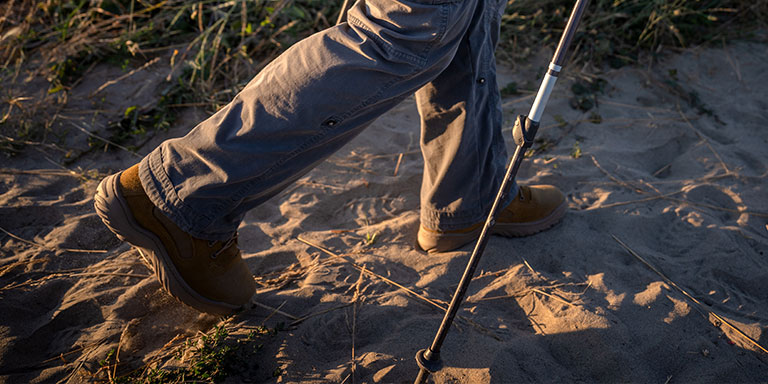
Tactical boots are known for their rugged design and durability—but are they a smart choice for hiking? In this guide, we'll explore the features of tactical boots, their pros and cons for hiking and how they compare to traditional hiking boots.
Key Features of Tactical Boots
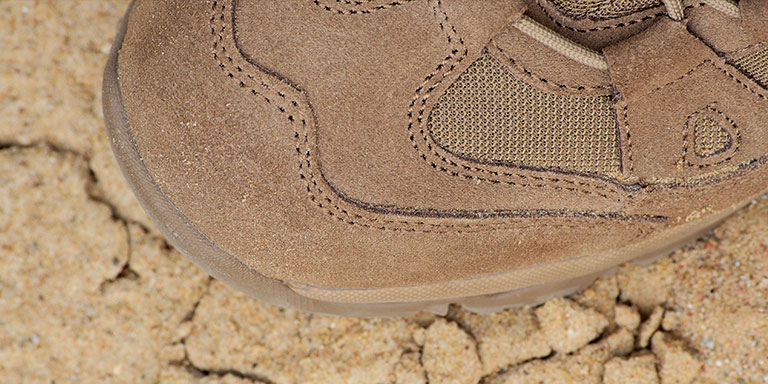
Tactical boots are built for harsh environments. They’re typically made from tough materials like full-grain leather and high-strength nylon, offering excellent durability and protection on rocky, uneven terrain. Many include waterproof membranes, Vibram soles for superior grip, gusseted tongues to keep debris out and reinforced toe caps for added safety. Breathable mesh linings and quick-lacing systems are also common, helping regulate temperature and improve convenience on the trail.
Choosing the right boot for your hike depends heavily on the terrain you’ll be tackling. If you’re unsure which features matter most for rocky trails, muddy paths or anything in between, our guide to choosing the right tactical boot for any surface can help you make a more informed decision.
Advantages for Hiking
- Durability: With strong construction and rugged materials, tactical boots handle rough terrain and resist wear and tear.
- Ankle support: Their high-cut design offers excellent ankle stability, reducing the risk of injury—especially helpful when carrying heavy packs.
- Water Resistance: Most tactical boots keep feet dry in wet conditions, while still offering breathability for hot climates.
- Traction: Vibram outsoles and aggressive tread patterns provide a solid grip on slick, rocky or muddy surfaces.
Tactical Boots vs. Hiking Boots
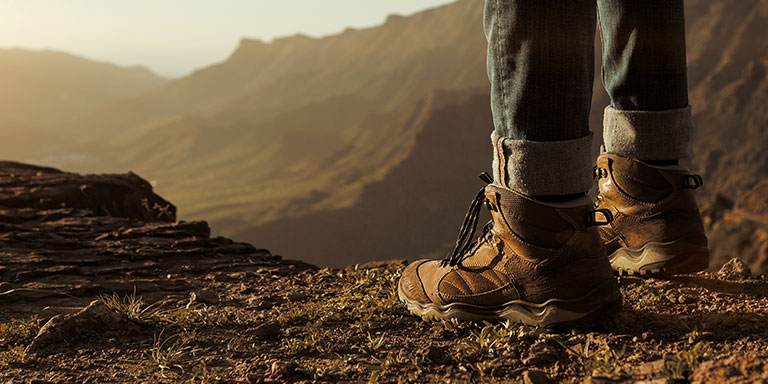
While both tactical and hiking boots are designed for durability and outdoor use, there are important differences in how they're constructed and how they perform in different environments.
Some outdoor enthusiasts even compare tactical boots to standard hiking footwear, noting how well they handle tough conditions like steep ascents or uneven trails. To help you decide which type suits your needs best, let's break down the main differences across several categories.
Weight and Flexibility
When it comes to weight and flexibility, hiking boots tend to be lighter than tactical boots, which may enhance stamina during extended hikes. Hiking boots are typically more flexible, making them more comfortable for short hikes or day trips. For long hikes, the lighter weight and greater flexibility of hiking boots contribute to overall comfort and reduced fatigue compared to tactical boots.
On the other hand, tactical boots generally weigh more than hiking boots, which can affect comfort and mobility during hikes. Although the added weight offers extra protection and support, it can also cause quicker fatigue on longer hikes.
Traction and Grip
Traction and grip are critical for safe and effective hiking, and both tactical boots and hiking boots offer features to enhance these aspects. An essential component of tactical boots is the outsole, which provides traction and flexibility, crucial for operations on various terrains. Tactical boots often feature Vibram soles, known for their superior slip resistance and durability, making them effective on various surfaces, including slippery and muddy terrain.
Hiking boots, on the other hand, also often feature Vibram soles, providing superior traction on slippery surfaces compared to many tactical boot designs. The use of rubber outsoles in tactical boots enhances grip and flexibility, making them suitable for diverse surfaces and challenging environments. This makes both types of boots reliable for maintaining a good grip on uneven and slippery terrains.
Comfort and Break-In Time
Comfort and break-in time are crucial considerations when choosing footwear for hiking. Tactical boots often require a longer break-in period due to their stiffer construction compared to the typically more comfortable hiking boots. Tactical boots may need a longer period to mold to the foot for optimal comfort, whereas hiking boots often adjust more quickly to foot shape.
Hiking boots generally need less break-in time compared to tactical boots, which often require longer to mold to the foot for optimal comfort. This shorter break-in period can be beneficial for hikers who need immediate comfort and flexibility when wearing hiking boots.
However, regardless of the type of boot, it's important to allow for a proper adjustment period before embarking on long hikes.
When Tactical Boots Are a Good Option
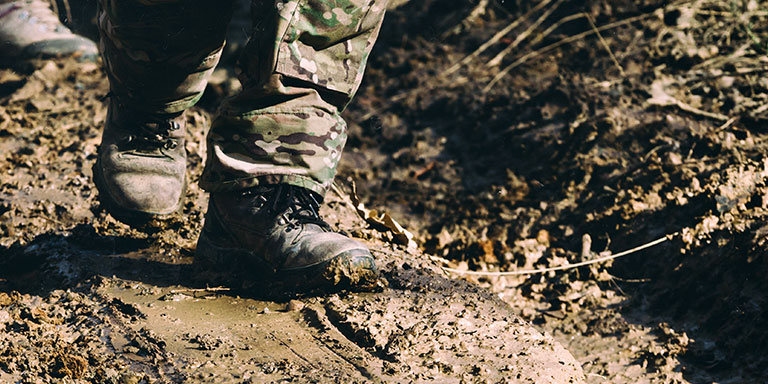
Tactical boots shine in certain hiking scenarios—particularly when durability, support, and protection are top priorities. Here's when they might be the better choice:
Heavy Loads and Heavier Packs
Carrying heavy loads during hikes can put significant strain on the ankles, making support critical for stability. Tactical boots can provide strong ankle support, aiding hikers when dealing with heavier packs. Thanks to their effective ankle support, tactical boots are ideal for backpacking trips with heavy loads.
Tactical boots' robust construction and ankle support help distribute the weight of heavier packs more evenly, reducing the risk of ankle injuries and enhancing overall stability during long hikes.
Challenging Terrain
Tactical boots provide excellent ankle support and stability, which helps prevent injuries on rocky and uneven surfaces. The outsole designs of tactical boots often include specialized traction patterns that enhance grip on slippery and unstable terrains. With features like deep lugs and robust rubber compounds, tactical boots are designed to effectively handle muddy ground.
The durable materials used in tactical boots help protect against sharp rocks and debris encountered on challenging hiking trails. This reliability makes them suitable for navigating rocky terrain, slippery surfaces and other obstacles.
Hot Weather and Climate Considerations
When considering tactical boots for hiking in hot weather, breathability and comfort are crucial for preventing foot fatigue and overheating. Tactical boots are generally designed to provide adequate ventilation, making them suitable for warm climates. The breathability of these boots helps to keep feet cool and comfortable during hikes in hot weather.
Tactical boots are effective for hiking in hot weather due to their durability and ability to handle various terrains. Their breathable design ensures that your feet remain comfortable and dry, even in warm climates.
Potential Drawbacks
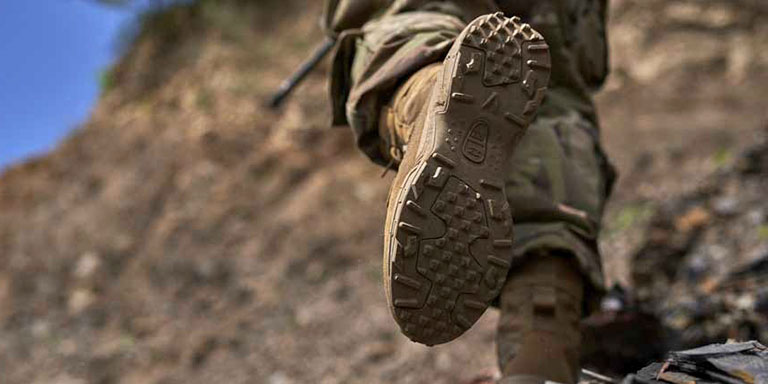
While tactical boots offer many advantages, there are also potential drawbacks to consider. Some tactical boots can be significantly heavier than regular hiking boots, which may cause fatigue on long hikes. This added weight can make them less comfortable for extended treks, especially when compared to the lighter hiking boots designed for such activities.
Furthermore, many tactical boots require a break-in period, potentially causing discomfort or blisters if not managed correctly. The stiffer construction of tactical boots can limit foot flexibility compared to specialized hiking boots, impacting overall comfort. Additionally, the comfort of tactical boots may decrease when insoles flatten, impacting long hikes.
If you're leaning toward a boot that's specifically built for hiking, it's worth exploring the differences in more detail. Our article on how to choose hiking boots can help you find the right fit.
How to Choose the Right Tactical Boots for Hiking
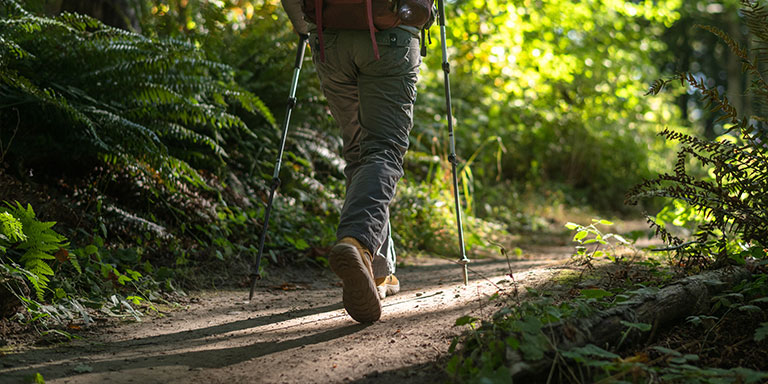
Not all tactical boots are created equal. Look for models that offer a good balance of support, cushioning, and breathability to match your hiking needs. Consider:
- Fit and sizing: A snug but comfortable fit reduces blister risk and joint strain.
- Cushioned midsoles and moisture-wicking linings for comfort on long hikes.
- Breathable waterproof membranes for dry, ventilated wear.
- Extra features like side zippers or Kevlar reinforcement, depending on your specific use case.
Choose a pair based on the terrain and conditions you expect to face and always break them in properly before hitting the trail.
Breaking in Tactical Boots for Hiking
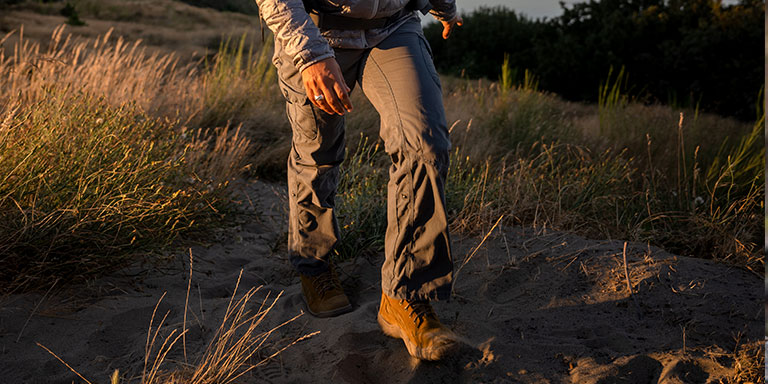
Storing insoles in a cool, dry place and using boot trees can help maintain their shape and prolong their life. Regular checks of the tread can signal when they need to be replaced to ensure ongoing comfort. Custom insoles can be adjusted over time to accommodate changes in foot shape or condition.
Breaking in tactical boots for hiking is essential to ensure comfort and performance on the trail. Unlike some hiking boots that may feel trail-ready right out of the box, tactical boots often have stiffer materials designed for durability and protection. The process can take some time, but it's worth the effort to avoid discomfort and blisters during your hikes. Start by wearing them around the house or during short walks to let the materials soften and conform to your feet. Gradually increase wear time and intensity before tackling a long hike. Check out our guide to breaking in tactical boots for detailed tips and tricks.
Final Thoughts
Tactical boots can be a solid option for hiking—particularly when durability, ankle support, and weather resistance are top priorities. They perform especially well in rough terrain, warm weather, or when you're carrying a heavier load.
That said, they're not for everyone. Tactical boots tend to be heavier and require more break-in time compared to traditional hiking boots. If your focus is on lightweight performance, flexibility and all-day comfort, hiking boots may be a better fit.
Ultimately, the best choice depends on your hiking habits and environment. Whether you're tackling rocky backcountry trails or just looking for long-lasting support, the right boots make all the difference. Choose wisely—and enjoy the hike.