

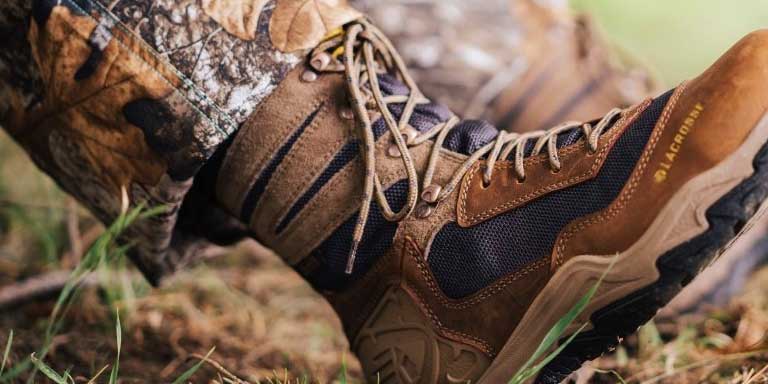
Footwear may not be one of the first things that come to mind when you think of a hunter's most important gear, but it should be. Even if you're primarily a treestand hunter, the boots you bring to the field have major impacts on the comfort, safety and fruitfulness of your hunt.
There's a lot that goes into choosing the right hunting boots for the right season. This guide will help you make sure you're buying boots well-suited to your feet and your needs.
Seasonal Differences
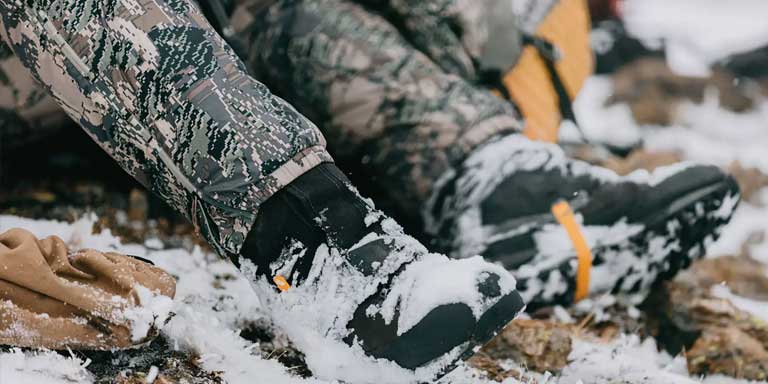
Not all hunting boots are created equal. If you go out in hunting boots ill-suited to the part of the country you live in or the time of year, your hunt could be ruined by blisters, rashes, infections, frostbite or even broken bones. If you hunt throughout the year, you may need different pairs of boots for different seasons.
These recommendations are general and are based on the terrain and weather that are most common in the United States at given times of year. If you live somewhere with atypical weather, like Arizona or Alaska, your seasonal needs will be different.
Early Season/Summer
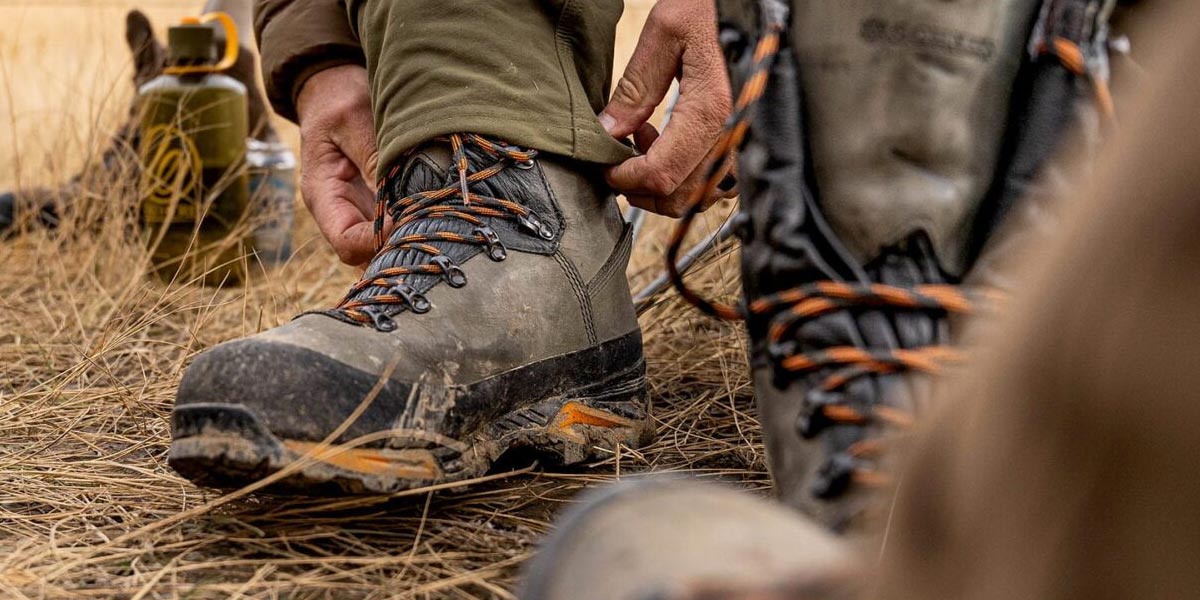
Many of the animals commonly hunted in the summer are considered pests or varmints, such as coyotes, wild hogs and small rodents. In some places, you'll have more options like black bear, whitetail bucks and pronghorn. Many of these animals roam over large areas in prairies, grasslands, or mountains, which means that you'll likely want boots with certain characteristics:
Lightweight: Ounces become pounds, as hikers often say. The farther you walk, the lighter you'll want your boots to be, and in the summer, you're likely to be doing a lot of walking. All else being equal, lighter boots increase your speed and reduce fatigue.
Good traction: If you're tracking game across rocky terrain, steep hills, or ridges, traction is essential. Many hunters have been injured or killed trying to climb or hike across difficult terrain with footwear ill-suited to the task.
Ankle support: Rolled ankles can cause bad sprains or torn ligaments. Low-top boots that are built like running shoes may be fine if you're hunting in areas where the ground is mostly flat and clear, but if the ground is rocky or steep, or if there's tall grass that can hide gopher holes and other tripping hazards, be sure to wear boots with good ankle support.
Mid-Season/Fall
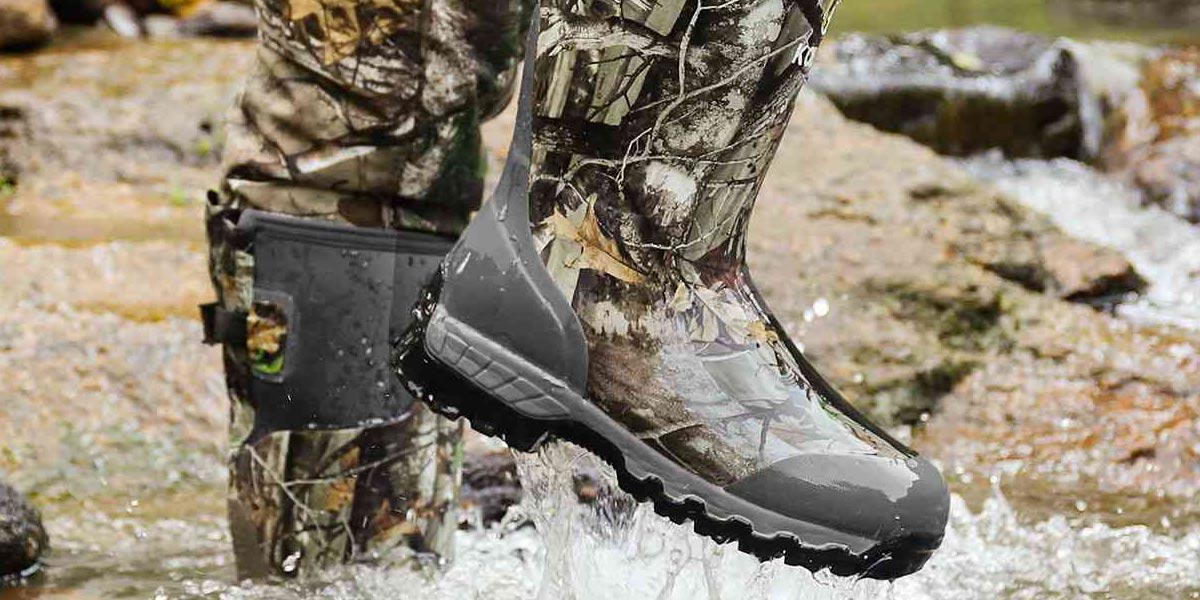
In many places in the continental US, things get moist in the fall. Rain, mud, and fog can pose various hazards. Make sure your autumn hunting boots have:
Good insulation: Even if you live and hunt somewhere that's warm in the fall, your feet are likely to get cold eventually. In part, this is because the parts of your body that are farthest from your heart — your hands and feet — have less blood flow than your core. Cold-weather injuries in your feet can be very serious, so be sure to choose well-insulated boots.
Waterproofing: When it comes to boots, waterproofing is more situational than most people realize, and it's not always desirable. We'll talk more about the pros and cons of waterproofing later. For now, just know that it's extra important if your feet are likely to get wet when the temperature is below 70° Fahrenheit.
Rigidity: When it's wet and muddy, it's a lot easier to slip and fall. Boots made of rigid, stiff material will help prevent foot and ankle injuries when you take a tumble.
Late Season/Winter
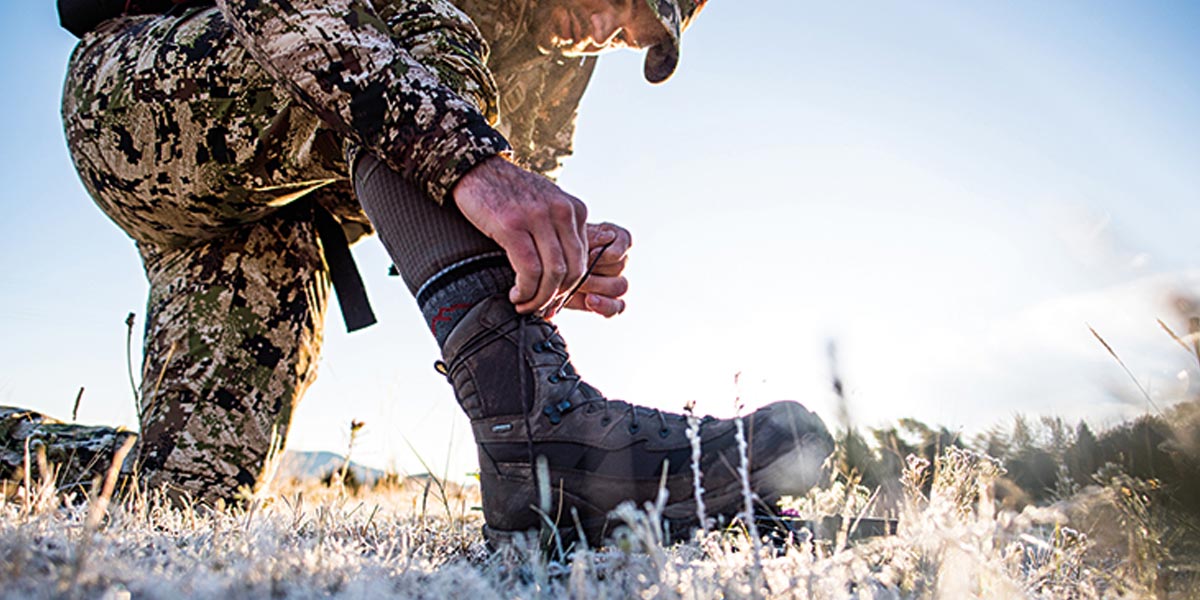
If you live in a place that routinely gets snow, then winter is probably the most dangerous time of year to hunt. Although it's not especially common for hunters to die in the field, most fatalities occur in the winter, particularly in the northern parts of the country. That doesn't mean that you can't or shouldn't hunt in the snow — it just means that extra preparation and caution are required. Shop for winter hunting boots that have:
Excellent insulation: It should go without saying that the prevention of frostbite, trench foot, and other potentially life-threatening cold-weather injuries should be a top priority.
Waterproofing: The only thing worse than frozen feet is frozen feet that are also wet. Cold-weather injuries that are merely bad if your feet are dry can easily be fatal or necessitate amputation if your feet are wet for a long time.
High tops: Winter hunting boots should extend to at least your mid-calf to help stop snow and ice from getting inside.
Sizing
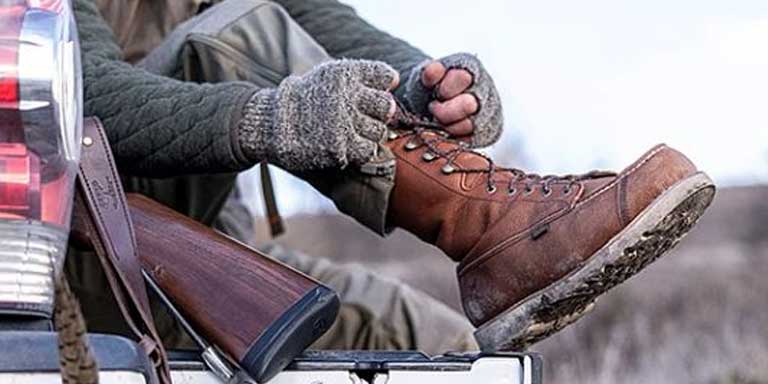
Your hunting boots should be well-fitted to your feet, but when it comes to sizing, there are a few factors to consider that may not be obvious.
If you're shopping for hunting boots online, never assume that your purchase can be returned or exchanged. Refund and exchange policies vary widely, and every store is different. High-end hunting boots can be expensive, so be sure to review the store's return policy before you buy.
Buy one half to one size larger if you wear thick liner socks. Buy one size larger if you're shopping for cold-weather boots, for two reasons: Insulation makes the inside of the boot a bit smaller and your feet will likely swell in the cold. Never go more than one full size larger than your actual size.
If you're a wide or narrow size, careful testing is essential. This is extra important if you're buying online. Many online stores will accept returned boots only if they've been minimally worn and their used status is not obvious. A brand new pair of hunting boots should feel just a little bit too big. As you break them in, they'll mold to your feet and feel more snug.
Boot sizes are not exactly the same across different manufactures (or even within different products from the same manufacturer). A size 11 from one brand will not fit exactly the same as a size 11 from a different brand.
Be sure to test fit the boots while you're wearing the same socks that you intend to wear in the field. We recommend two pairs of socks if you'll be walking a lot or if it'll be cold: a tight-fitting inner pair made of thin, moisture-wicking material and a thicker outer pair with more cushioning.
It's okay if new boots feel overly stiff, especially if they're made of leather. They'll become more flexible as you wear them.
Choosing the Right Boot Style
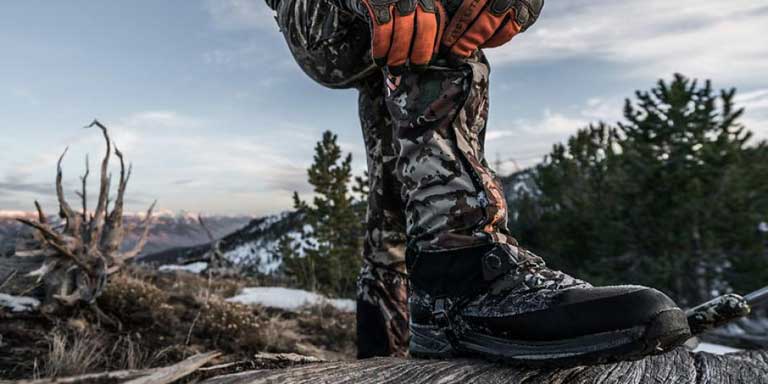
There are four broad styles of hunting boot, and there are some hybrid boots that incorporate elements from two or more different styles. No two manufacturers define these styles in exactly the same way. These descriptions are our generalizations.
Hiking-style hunting boots are just what they sound like. They're likely the closest thing you will find to an all-purpose boot. They're designed for moderately long walks across most types of terrain and they can handle light climbing. There are many different models that offer differing types and levels of insulation and waterproofing. Although hiking-style boots are good for many situations, they're not for snowy climates, and you may be better off with an athletic-style boot if you'll be walking 10+ miles a day.
Athletic-style boots look like a cross between a hiking boot and a running shoe. As you might expect, they're ideal for very long walks — as long as the terrain is mostly flat and easy. However, they usually come up short with respect to ankle support, insulation and waterproofing. In most cases, this makes them a better choice for spring and summer hunts.
Treestand boots are typically designed with cold weather in mind, offering good insulation, maximum comfort and good traction in the mud. They tend to be heavy and rigid, making them less than ideal for long walks.
Pac boots, also known as snow boots, are rigid, high-top boots with thick soles, good traction and plenty of insulation. They're virtually mandatory if you'll be hunting in deep snow, but they perform poorly in most other environments.
Material Options
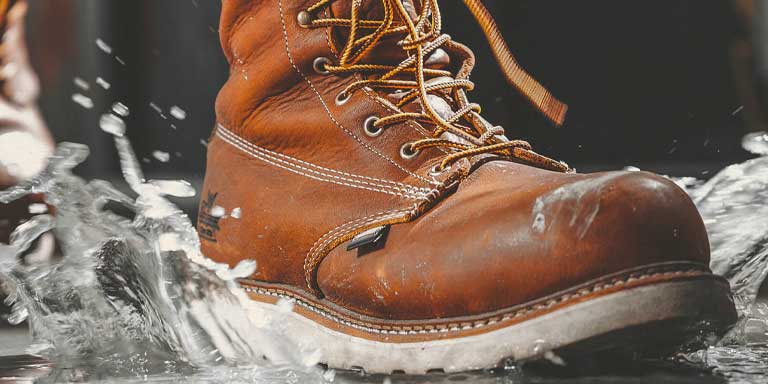
There's a lot of boot-specific jargon, but we don't need to get into most of it here. For now, we're only concerned with the two main parts of a boot: the “upper” and the “lower,” which are exactly what they sound like. The lower is composed of the sole and the material directly attached to it, and the upper is everything else. Boot uppers and lowers are usually made of different materials in different combinations.
Upper Materials
In the world of outdoor footwear, leather is the most time-tested and proven natural material. Leather boots can be uncomfortable when new and take time to break in, but with enough wear, they can last for years. Leather is also the best material if you need waterproof boots because waterproofing isn't permanent and leather is the only material that allows you to easily “refresh” the waterproofing by reapplying oil or wax as needed.
Most boot uppers that aren't made of leather are made of some blend of natural and/or synthetic fibers. As these materials stretch and flex over time, the fibers bend and the weave loosens. This weakens and eventually destroys the waterproofing material that's bonded with those fibers. At some point, waterproof boots made from anything other than leather will largely or completely lose their ability to keep water out.
In short: Leather boots are more expensive and take longer to break in but are superior for waterproofing and general longevity. Non-leather boots are typically more affordable and more comfortable out of the box but will likely need to be replaced more often.
Sole Materials
Boot soles are composed of three layers: the outsole (the part that touches the ground), the insole (the part that touches your feet) and the midsole (an additional layer between these two, mostly for additional support and shock absorption). In this section, we'll focus mostly on outsoles because they make the most significant difference. Plus, most insoles are removable, and you can easily swap them out if you don't like them.
Most outsoles are made with rubber, EVA, TPR or some blend of these.
Rubber has been widely used for outsoles since the 1950s. It's affordable, offers decent traction on many surfaces, and provides moderate comfort, but it's heavy and not very damage-resistant.
EVA (ethylene vinyl acetate) is a blend of polymers known for its flexibility, durability, lightweight feel, shock absorption, and affordability. While it has drawbacks, such as low heat resistance, these are rarely a concern for hunting boots.
TPR (thermoplastic resin) shares many qualities with rubber but weighs less than half as much. Commonly paired with polyester or other fabric mesh in footwear, TPR is a cost-effective material for hunting boots, particularly in regions with mild weather. It's also used to create solid soles for pac boots. However, some wearers find TPR soles less comfortable than those made from rubber or EVA.
Final Thoughts: Boot-Shopping Tips
To wrap up this guide, here are a few miscellaneous tips that we feel are valuable to mention.
Don't underestimate the importance of good socks. Invest in well-made, heavy-duty socks designed to handle lots of walking. No matter how good your boots are, cheap socks will always cause foot problems.
Allow plenty of time to break in your new hunting boots, especially if they're made of leather or other rigid materials. If you head out to the field with brand new boots, you'll probably have a bad time.
You may need to budget for multiple pairs of boots for different hunts and weather conditions, especially if you live in an area with both hot summers and cold winters.
Weight matters more than you may think. Many hunters say that cutting just one pound of weight from your footwear makes for a significantly more pleasant (or at least less miserable) day of walking.
If you have flat soles or high arches, you will probably need specially-made insoles to avoid significant discomfort and friction injuries. These insoles can be pricey, so be sure to factor them into your total boot budget.
Lug size and type are crucial in snow and mud. Lugs — protrusions on a boot's outsole — enhance traction and support. However, mud and rocks often get stuck between them, reducing both traction and increasing weight. For hunting in muddy or snowy conditions, consider an 'air-bob' sole for better performance.
Learn and practice the right ways to walk given the terrain where you hunt. Even with high-quality boots and socks, a stride that's ill-suited to the environment can cause many problems.
Buying the right hunting boots is a process that requires a certain investment of time and money. Finding boots that are perfect for your feet, your needs, and your environment will likely require some trial and error over time, but hopefully, this guide has given you a solid place to start. Don't miss our other helpful articles, such as Hunter Safety Tips and Hunting on Public Land: Everything You Need to Know.