

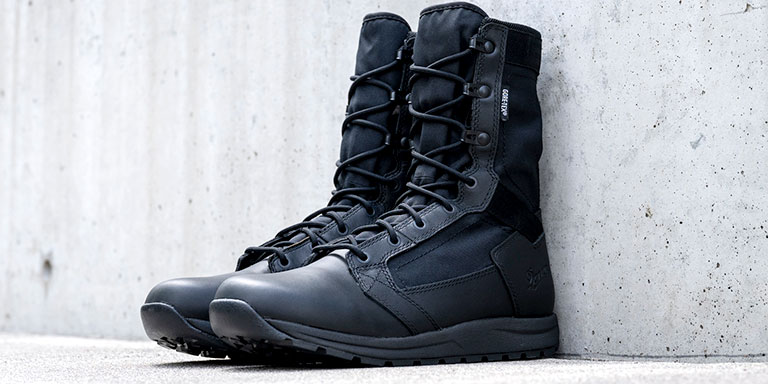
Tactical boots are built to withstand tough conditions, but even the most durable pair has a limited lifespan. Knowing when it's time to replace your boots can help maintain comfort, support and performance. In this guide, we'll explore key signs that indicate it might be time to invest in a new pair of tactical boots to ensure your performance and safety.
Recognizing Visible Wear and Tear
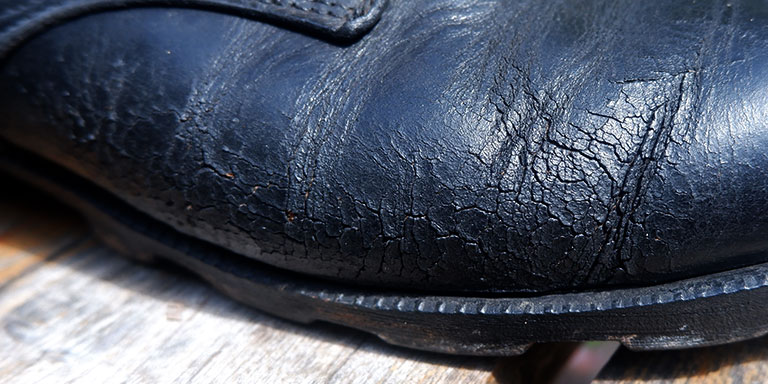
Checking your boots for wear and damage is crucial for safety and performance. Ignoring these signs can compromise protection and lead to injuries.
Focus on three key areas: soles, uppers and waterproofing. Each component is vital for the overall performance of your boots, and recognizing issues can help you determine when it's time for a new pair.
Worn Out Soles
The soles of your tactical boots are the foundation of their performance. They provide stability, support and traction, which are critical for navigating rugged terrain and uneven surfaces. Excessive wear on the soles can significantly compromise these qualities, putting you at risk of slips and falls. Loss of traction or visible damage to the soles indicates your boots are no longer effective.
Imagine trying to maintain your balance on a rocky path with worn-out soles. It's not just challenging; it's dangerous. Regularly check the soles for signs of wear and tear, such as thinning, cracks or uneven wear patterns. Worn-out soles mean it's time for a new pair of boots.
Damaged Uppers
The upper part of your boots, made from materials like fabric, leather, nylon uppers and synthetic materials, provides protection. However, these materials can wear out. Check the upper part regularly to spot issues before they become serious.
Visible damage like tears, holes or weakened areas in the material can compromise protection, leaving you vulnerable to sharp objects and harsh conditions. If you find any significant damage, replace your boots to ensure they continue to provide the protection you need.
Compromised Waterproofing
Waterproofing is crucial, especially in wet conditions, as it keeps feet warm and dry, preventing blisters or fungal infections. Regularly inspect your boots for leaks or reduced water resistance to maintain effectiveness.
Compromised waterproofing often shows as damp socks or wet spots inside the boots. These signs indicate a loss of waterproof protection. Address these problems promptly by either repairing the boots or replacing them with a new, waterproof pair.
Decline in Comfort and Support
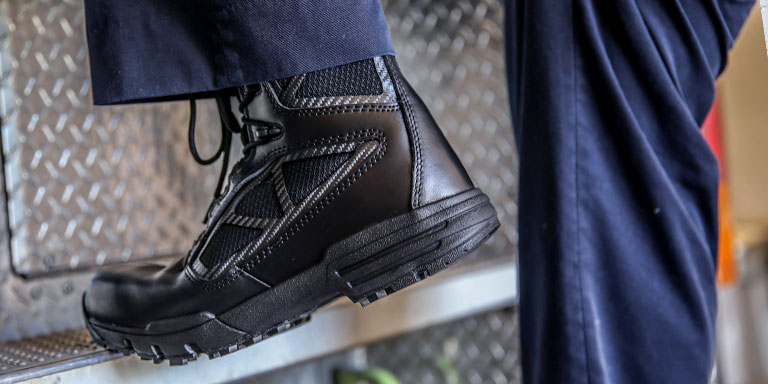
Comfort and support are paramount for tactical boots. When you choose tactical boots, a proper fit significantly impacts comfort and performance, especially during long hours of wear. Recurring discomfort or foot pain might indicate that your combat boots no longer provide the necessary support.
There are three main aspects to consider: cushioning, ankle support and foot fatigue. Each aspect plays a critical role in providing comfort and support. Understanding each one helps identify when your boots are no longer sufficient.
Reduced Cushioning
Cushioning is essential for providing comfort and support. Over time, the cushioning in your boots can break down, leading to insufficient shock absorption. Signs of failing cushioning include flattened insoles that lack padding and a wrinkled midsole appearance.
Imagine walking long distances with little to no cushioning; it can lead to heavy discomfort and adversely affect your performance. These signs indicate degraded cushioning, signaling it's time for a new pair that offers the necessary support and comfort.
Loss of Ankle Support
Ankle support is crucial for maintaining stability and preventing injuries. Inadequate ankle support from worn boots can lead to an increased risk of joint and tendon injuries. A good tactical boot should have a firm but flexible sole and flexible ankle support to ensure proper movement. Frequent ankle pain or lack of support indicates deteriorated ankle support.
Increased Foot Fatigue
Increased foot fatigue signals that your boots no longer provide necessary support. A boot should bend and flex at the toe line for maximum comfort, reducing foot fatigue. As the support and comfort levels in your boots decline, they can lead to discomfort and fatigue during extended use.
Changes in Fit and Performance
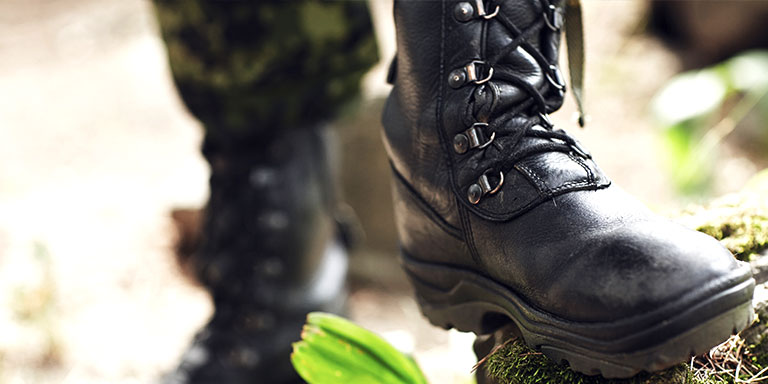
Fit and performance are critical for tactical boots. Boots that are too tight can cause blisters, stress on joints and tendons, plantar fasciitis and heel spurs. If your boots no longer fit properly, it can significantly impact your comfort and performance.
Consider poor fit, decreased traction and reduced flexibility. Each factor affects boot performance and indicates when replacement is necessary.
Poor Fit
Correct size ensures a good fit with space in front of the toes and comfort for foot swelling. A firm fit should feel like a firm handshake, providing support without being overly tight.
If your boots feel too tight or too loose, it can lead to discomfort and potential injuries. Ensuring a good fit is essential for both your comfort and performance.
Decreased Traction
Good traction prevents slips and falls, especially on uneven terrain. Frequent slipping or failing to grip surfaces indicates decreased traction.
Check soles for wear to ensure adequate traction for safety. Ineffective traction means it's time for a new pair offering better grip and stability.
Reduced Flexibility
A well-designed boot should bend at the toe line for optimal comfort and mobility, maintaining agility and effective movement. Boots that bend without much resistance indicate excessive flexibility, compromising support, especially when considering a heavier boot or lightweight boots.
Monitor boot flexibility to ensure functionality for tactical tasks. Boots that become too flexible or rigid indicate a need for replacement.
Compromised Safety Features
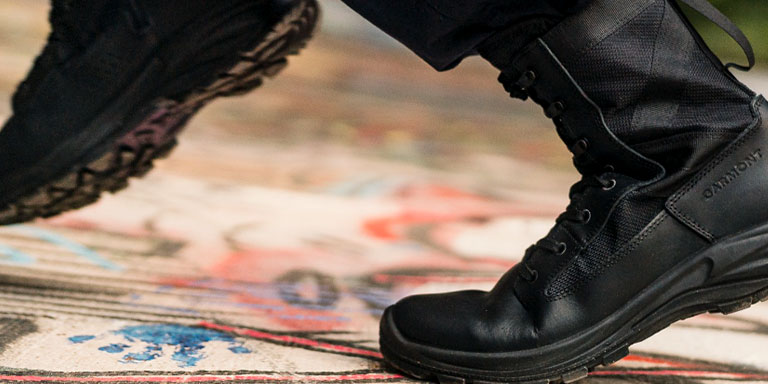
Safety features protect feet in hazardous environments. Torn or holed uppers increase injury risk by compromising protection. Ignoring worn-out features on tactical boots can lead to compromised safety and ongoing discomfort during use.
Consider three main safety features: toe protection, structural integrity and slip resistance. Ensuring these features are intact is crucial for safety.
Deteriorated Toe Protection
Inspect toe caps to ensure adequate protection against sharp objects. Older boots may have toe caps that no longer meet current safety standards, leaving feet unprotected. Quality toe protection is essential for overall safety, especially in hazardous environments.
Compromised toe protection increases vulnerability to injuries. Regularly check toe caps for damage; if ineffective, replace your boots.
Weakened Structural Integrity
Structural integrity keeps boots together and ensures performance. Cracks in the shell indicate structural degradation, affecting support and protection.
Inspect boots regularly for structural weaknesses like cracks or splits. Such issues indicate lost integrity, signaling the need for replacement to maintain support and safety.
Ineffective Slip Resistance
Slip-resistant features maintain grip on slick surfaces like ice and grease. Ensure the outsole provides adequate slip resistance to prevent accidents. Inadequate grip can lead to dangerous slips and falls. Effective slip-resistant features are vital for safety in various environments.
When Repairs Aren't Enough
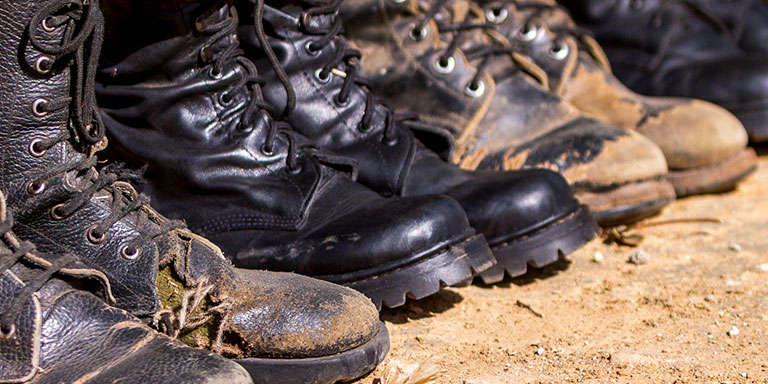
Repairs may become insufficient, making it more cost-effective to invest in new boots. Regular replacement is needed every six to twelve months, depending on usage. Frequent repairs indicate it might be more economical to invest in new boots instead.
Persistent problems like leaks, discomfort and decreased performance suggest your boots are nearing the end of their functional life. Rather than spending on constant repairs, invest in a new pair of boots. This saves time and money, ensuring reliable, comfortable and safe footwear for demanding tasks.
Final Thoughts
Knowing when to replace your tactical boots is crucial for ensuring your safety, comfort and performance. From recognizing visible wear and tear and monitoring the decline in comfort and support to detecting changes in fit and performance, it's essential to keep a close eye on the condition of your boots. When repairs are no longer sufficient, investing in a new pair is the best decision. Stay vigilant, and ensure your boots are always up to the challenge.