

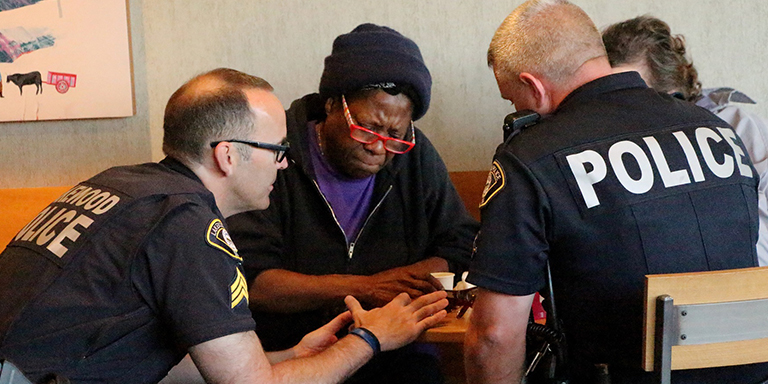
Stopping Hate crimes must be a top priority within each police department. These crimes have a devastating impact on communities, and can terrorize entire or groups of citizens. Hate and intolerance have no place in society. Police officers must be vigilant in identifying, reporting and investigating these criminal offenses.
While each state has its own definition of what constitutes a hate crime, the federal government has a broad definition:
A hate crime is a "criminal offense against a person or property motivated in whole or in part by an offender's bias against a race, religion, disability, sexual orientation, ethnicity, gender, or gender identity."
The violator's hostile expression must be motivated by another person's race, color, disability, religion, national origin, sexual orientation or gender identity. In addition, the behavior will often seek to intimidate, humiliate, or create an unwelcoming or unsafe environment for the targeted person or group.
Protected Classes
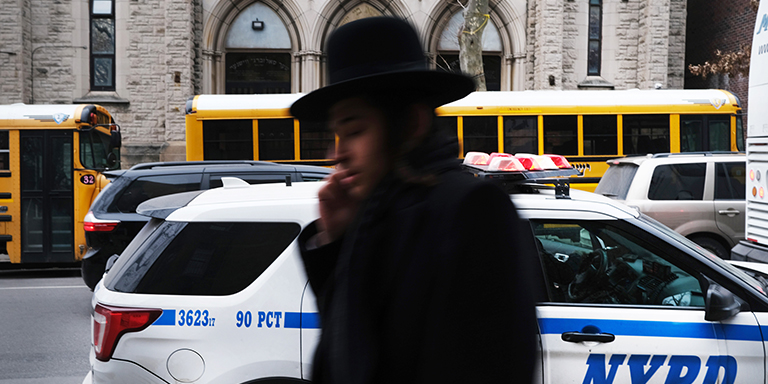
The following groups are protected classes under the federal standard, but these standards can vary widely from state to state.
A person's race
A person's skin color
A person with a disability
A person's religion
A person's national origin
A person's sexual orientation
A person's gender identity
Two states — Wyoming and South Carolina — have no hate crime laws. Additionally, Arkansas passed a hate crime bill in 2021, but used extremely vague and unusual terms in describing protected groups. Their protected classes include mental, physical, biological, cultural, political, or religious beliefs or characteristics.
Moving from a Criminal Act to a Biased Crime
A hate crime is most generally defined as a crime or offense motivated by bias. In investigating any crime, it is essential to look at the possible motivations for the crime. In some cases, it's easy to identify the hate crime element; graffiti using racial terms on a person's sidewalk is one clear example. In contrast, other cases may take more investigation to identify the perpetrator's motives.
Evaluating a Perpetrator's Motive
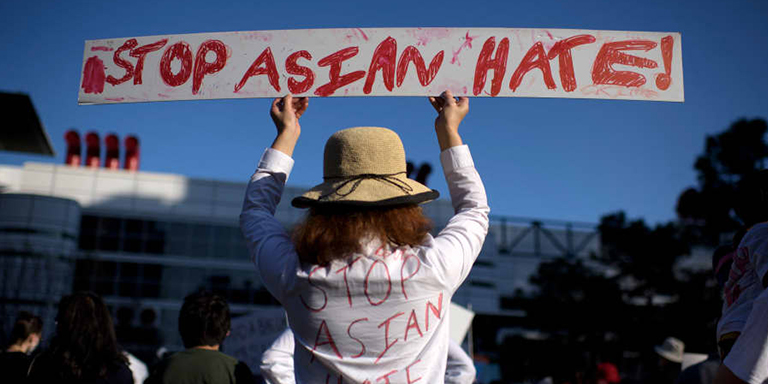
The following are some examples of information an officer may use in determining if an incident may be a hate crime:
Does the victim believe they were targeted as a member of a particular group?
-
Was anything said by the perpetrator to indicate a bias or hate motivation?
-
Have there been similar incidents locally showing a pattern?
-
Was the victim engaged in community activities promoting their particular group?
-
Is there an absence of any other motivation or explanation for the crime?
Is the perpetrator involved in an organized hate group?
A Hate Crime May Be Verbal, Physical or Visual
A perpetrator threatening to physically harm a person, their family or their property solely because the victim is a protected class member is an example of a verbal hate crime. The initial crime is the threat itself, but the crime is elevated to a hate crime based on why the crime was committed. This should not be confused with each person's freedom of speech: offensive language is still protected under the First Amendment until a crime is committed.
Assaulting (or even touching) a person with the intent to harass or intimidate them because of the perception that the victim is a protected class member is a physical hate crime. An example would be physically harassing congregation members as they exit a church. The physical touching is an assault; however, if the assault was because of the victim's status within a protected class, it becomes a hate crime.
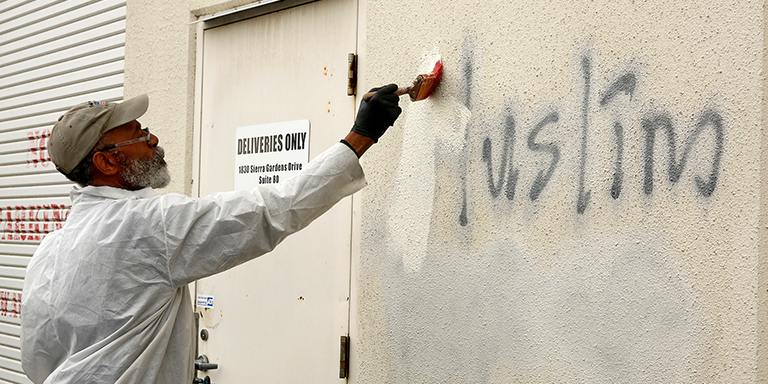
Creating derogatory or racist graffiti on someone else's property based on the perception that they belong to a protected class is a visual hate crime. The initial crime consists of criminal mischief. However, the offense is elevated to a hate crime due to the motivation of the perpetrators.
Often, the intended victim is a group rather than an individual. This is the case when graffiti is left to deface church exteriors, such as swastikas spray painted on Jewish houses of worship. Places of worship have been common targets for years, dating back to church burnings during the Civil Rights movement, or, more recently, shootings at churches and synagogues.
Hate crimes have their roots in disdain for and intimidation of individual groups. For this reason, states have created special laws, task forces and statewide investigative units to tackle these crimes. Additionally, the Federal Bureau of Investigation accepts reports of suspected hate crimes directly from private citizens and has described these crimes as their highest priority within their Civil Rights Division.
Initial Police Response
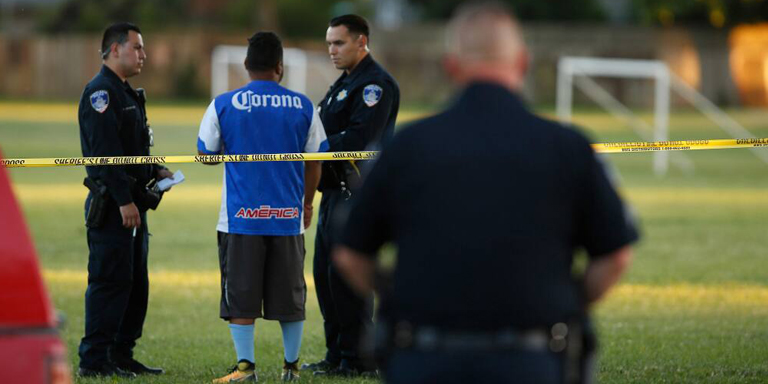
The first step in responding to a possible hate crime is to determine if the incident or call potentially fits the criteria of a hate crime. The question each officer must ask themselves is, "Was this incident motivated by the perpetrator's hostile aggression toward the victim because of their perceived status within a protected group?" The victims should not be immediately told that the incident is or is not a hate crime, as the final determination may be made later in the investigation. If a hate crime is suspected, the incident should follow the usual investigative path of tending to the victim's needs or injuries, identifying witnesses, collecting evidence and preserving the crime scene.
However, potential hate crimes require additional actions by responding officers. Notifications must be made, and supervisory personnel should be involved almost immediately. Depending on the scope of the incident and the potential for disorder, additional uniformed personnel should be assigned to the specific area where the incident occurred. The presence of additional officers can stop problems from escalating, reassure the victims that they are now safe, and assure the community that the incident is being given a proper police response. In addition, a strong show of force and support in such cases is encouraging to the community.
Incidents involving visual harassment (such as spray-painted words or symbols) are often meant to embarrass or intimidate the victim or group. Therefore, this evidence must be processed and photographed. However, police should make every effort to immediately (but temporarily) cover the markings from further public or media view. For example, if there's spray paint on a fence, police can drape a blanket over the offensive markings. If there's spray paint on a driveway, police can park a cruiser over the offensive markings.
After the evidence is photographed and collected, the markings should be removed or permanently covered. Many anti-graffiti products are available, and the fire department may also be used to wash away markings. In addition, public works personnel may be called to respond with a pressure washer. No matter the method of removing the hateful language or symbols, the police should not clear the call until the markings are permanently removed or covered.
Officers should carefully collect spray paint cans, hate literature or written letters to preserve potential fingerprints. Additionally, police must understand that hate crimes often traumatize and terrify their intended victims. In these situations, families feel vulnerable, powerless and frustrated by the event. Therefore, every effort should be made by the initial responding officers to protect the victims' identities, reassure them that action will be taken, and explain the process moving forward.
In some cases, the victim should be made aware of and prepared for the potential of being contacted by the news media. Officers should provide victims with a written list of support groups or community agencies to assist them with any special needs.
The Preliminary Report
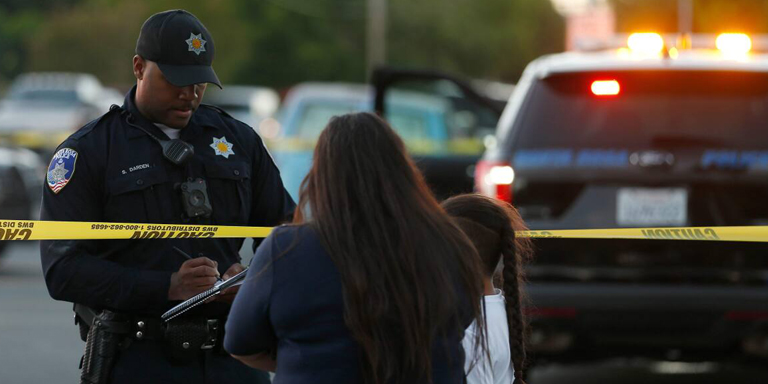
The officer's preliminary investigative report should include an introductory statement of the facts of the case and a description from the victim of what occurred. This should also include information on the suspects' possible identities and the witnesses' identities, including potential witnesses no longer at the scene. A records search should be conducted to identify if similar incidents have occurred in the area or if there have been other similar incidents involving the same victim(s). Statements at the scene are important to document, as officers will follow them up during the secondary investigation. Finally, the officer must include any facts indicating why the incident should be investigated as a potential hate crime.
If officers have probable cause to believe an accused individual committed the offense, an arrest should be made. In many cases involving confrontation and assault, the victim or witnesses can identify the accused. A strong and immediate response by the police department can help to reassure the community and help the victim to recover from the incident.
Hate crimes are meant to terrorize, humiliate and intimidate their victims. Police officers must use every tool available to combat individuals who use hate and intimidation to attack our free and inclusive society.