

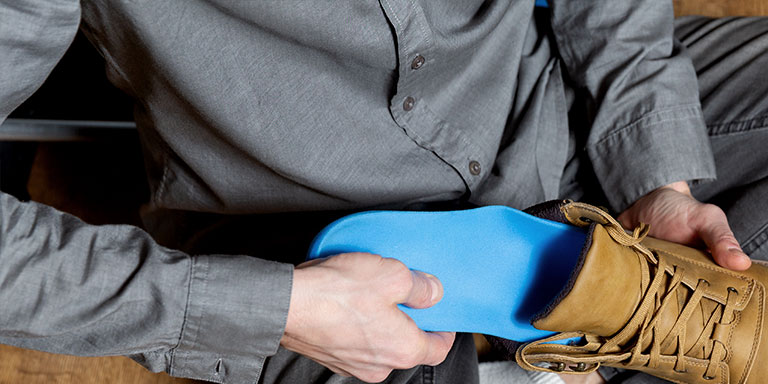
The right insoles can transform your tactical boots, improving comfort, support and overall performance. In this guide, we'll break down everything you need to know about choosing the best insoles for your needs―whether you're on duty all day, training hard or just want to extend the life of your favorite boots.
Understanding Tactical Boot Insoles

Tactical boot insoles are designed to reduce foot fatigue and discomfort during prolonged standing or walking. They are not just an accessory but a crucial component that directly impacts your overall foot health. Imagine the strain on your feet during a 12-hour shift or a long march. The right insoles can mitigate this strain, providing the support and comfort needed to keep you going strong.
The benefits don't stop at comfort. Specialized insoles can significantly reduce the risk of foot fatigue during extended operations, enhancing your performance. Think of them as shock absorbers for your feet, improving shock absorption and cushioning, which are key for comfort during various assignments. Additionally, the right insoles can enhance performance and comfort during physically demanding activities, such as military training or rigorous exercise.
When selecting the right insole, consider factors such as fit, support, comfort and your unique foot requirements.
Foot Pain
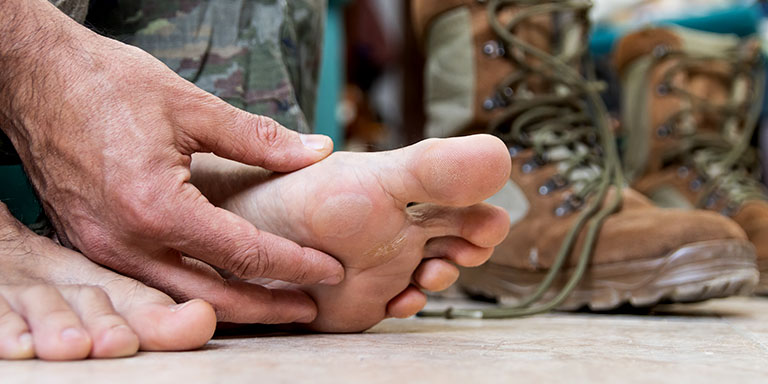
Foot pain can be a debilitating issue for individuals who spend extended periods on their feet, particularly those in military or tactical professions. Imagine the strain and discomfort that can build up after hours of standing, marching or running. This is where the right insoles come into play, offering a crucial solution to alleviate foot pain and enhance overall foot health. Whether you have flat feet, high arches or suffer from foot fatigue, insoles can be customized to address these specific concerns.
Insoles can play a pivotal role in alleviating foot pain by providing additional support, cushioning and shock absorption. For instance, plantar fasciitis, a common condition characterized by inflammation of the plantar fascia, can be effectively managed with the right insoles. These insoles help redistribute pressure and alleviate discomfort, making them an essential component of footwear.
Even the best insoles won't deliver full relief if your boots themselves haven't been properly broken in. New tactical boots can be stiff at first and wearing them for long hours right out of the box can actually worsen foot pain. Gradually breaking in your boots allows the materials to mold to your feet and work in tandem with your insoles, providing optimal support and comfort over time.
Assessing Your Foot Type
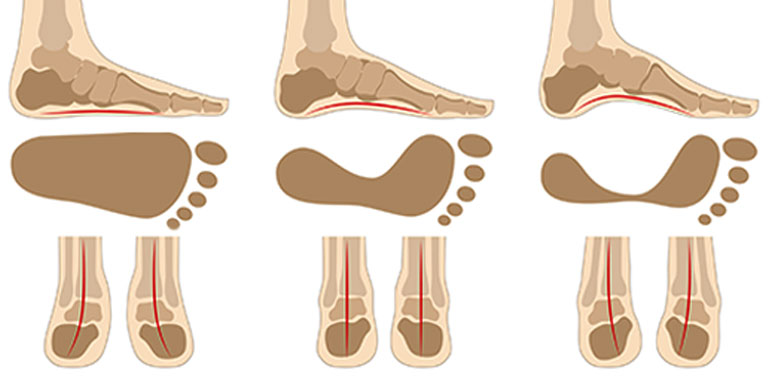
Understanding your foot shape and arch type is essential as it determines the right insoles for your needs. Common foot issues like flat feet, plantar fasciitis and foot fatigue can be alleviated with the right insoles. Have you ever wondered why some people suffer more from foot pain than others? Often, it's because they haven't matched their insoles to their foot type.
A simple method to identify your foot arch type is by stepping on a wet surface and observing the footprint left on dry paper. This easy test can reveal whether you have flat, neutral, or high arches.
Essential Features
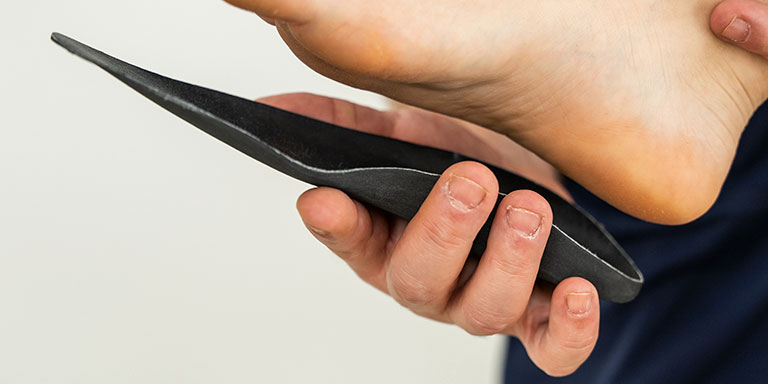
When choosing tactical boot insoles, there are several key features to consider:
- Shock absorption helps minimize the impact on your feet during demanding activities.
- Cushioning is crucial for comfort, especially during extended wear.
- Arch support plays a vital role in stabilizing your foot and preventing injuries.
These features collectively ensure that your footwear supports you in the toughest conditions.
Shock Absorption
Shock absorption is an essential feature of any good insole. Insoles with excellent shock absorption capabilities can significantly reduce the impact on your feet during strenuous activities. Imagine the constant pounding your feet take during a long march or a vigorous workout. High-quality insoles often incorporate materials that significantly reduce the force experienced by your feet on impact. This can make a world of difference in reducing foot fatigue and preventing injuries.
Gel technology is one of the advanced materials used in insoles to enhance shock absorption. For people with high arches, who tend to have poor shock absorption, choosing footwear with ample cushioning is particularly beneficial. This feature not only protects your feet but also ensures that you can perform at your best without being bogged down by the impact of every step.
Cushioning
Cushioning plays a pivotal role in enhancing comfort and minimizing foot discomfort for extended wear. Think about the relief you feel when you step onto a soft, cushion surface after a long day on your feet. Cushioned insoles can enhance overall foot comfort and lessen fatigue during extended wear. They often include layers that enhance comfort and reduce impact stress. This is particularly important for those in the military or other demanding roles where prolonged standing and walking are the norms.
Insoles utilizing gel technology are particularly effective in reducing impact and providing an added layer of comfort during movement. This technology ensures that your feet are not only supported but also cushioned against the harsh impacts of rigorous activities. The result is less foot fatigue and more effective performance, allowing you to focus on your mission rather than your discomfort.
Arch Support
Proper arch support is essential for preventing injuries and can alleviate conditions such as plantar fasciitis. Imagine the pressure on your arches as you stand or move for hours on end. Proper arch support in tactical insoles effectively balances foot pressure and prevents injuries. For individuals with specific foot conditions like plantar fasciitis, choosing insoles that provide targeted support is essential for proper alignment.
Flat arches can lead to muscle stress and require shoes designed for motion control to stabilize the feet. Stock insoles, typically made from basic materials, may not provide adequate support for high-impact activities. Investing in insoles that offer robust arch support ensures that your feet are well-protected, reducing the risk of injury and enhancing overall performance.
Types of Insoles
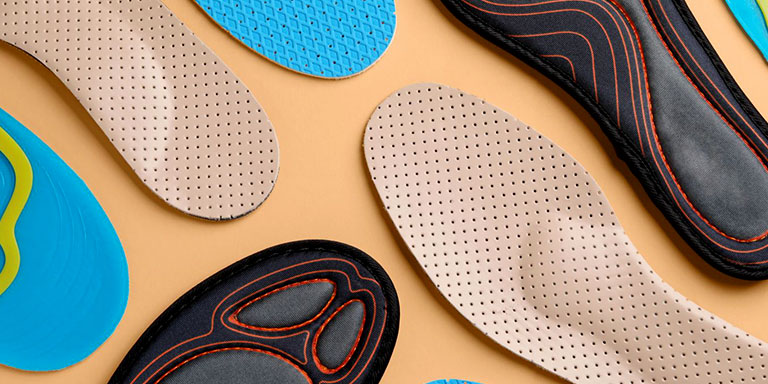
Tactical boot insoles come in multiple types, each designed to cater to specific needs and preferences. From memory foam to gel technology and heavy-duty insoles, there is something for everyone.
Understanding the unique benefits of each type can help you choose the right insoles for your specific needs, ensuring optimal comfort and performance.
Memory Foam
Memory foam insoles adapt to the foot's shape, providing personalized comfort. Imagine stepping into a boot that feels like it was made just for you. Memory foam insoles provide a unique comfort experience as they contour to the foot's shape, enhancing overall support. This personalized fit can significantly improve comfort and reduce foot pain during prolonged wear.
The adaptive nature of memory foam also helps in effective pressure relief. Whether you're dealing with foot fatigue or plantar fasciitis, memory foam insoles can offer the cushioning and support needed to alleviate discomfort. These insoles are a great choice for those who need a tailored fit inside their boots.
Gel Technology
Gel technology insoles are designed to enhance comfort and provide effective shock absorption. Picture the difference between walking on a hard surface and one with a gel layer. These insoles offer effective shock absorption, minimizing the impact on your feet during rigorous activities. The gel material used in these insoles helps to distribute pressure evenly, contributing to enhanced comfort for the wearer.
For those needing additional comfort and protection in tactical environments, gel technology insoles are a beneficial choice. They ensure that your feet are well-cushioned against the impacts, providing a smoother, more comfortable experience during demanding operations.
Heavy-Duty
Heavy-duty insoles are designed for rugged tasks and demanding environments. Think of them as the workhorses of the insole world. These insoles provide robust support and exceptional durability. They are often made from high-quality materials that enhance durability compared to stock versions.
Specifically designed to withstand the challenges of rigorous environments, heavy-duty insoles are ideal for those in physically demanding jobs. Whether you're trekking through rough terrain or standing for hours on end, these insoles ensure that your feet remain supported and comfortable.
Custom vs. Off-the-Shelf
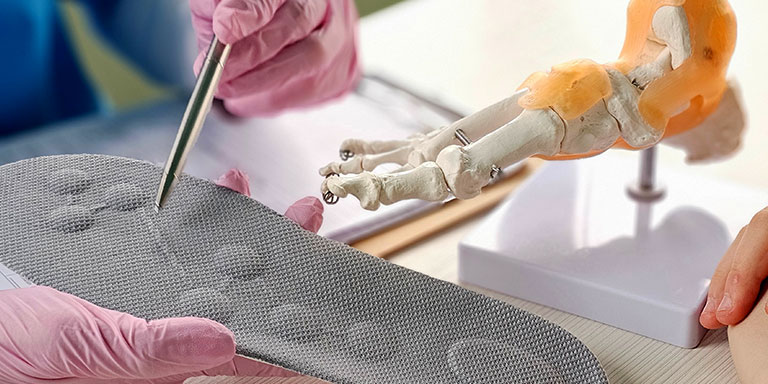
Choosing between custom orthotics and off-the-shelf insoles depends on individual foot needs, activity level and budget considerations. Custom insoles offer targeted support and can address specific foot problems more effectively than stock options.
On the other hand, stock insoles are generally more convenient and cost-effective but may not provide the necessary support for specific foot conditions.
Stock Insoles
Stock insoles are designed to accommodate a broader range of foot shapes. They may be sufficient for individuals with straightforward foot anatomy and can be a convenient and cost-effective option. However, the limitations of stock insoles include a lack of personalized support and inadequate relief for specific foot conditions.
For individuals with conditions like plantar fasciitis or flat feet, stock insoles may be insufficient. Ensuring that your insoles provide the right support is crucial for avoiding foot pain and fatigue during prolonged wear.
Custom Orthotics
Custom orthotics are designed to fit unique foot contours and provide precise support. Healthcare professionals frequently suggest custom orthotics for patients. This recommendation is particularly relevant for those with specific foot conditions. Imagine having insoles that fit your feet perfectly, providing the exact support you need.
Heat-moldable insoles are a type of custom orthotic that provides a personalized fit by conforming to the shape of your feet. These insoles offer a higher level of comfort and support, making them an excellent choice for those with unique foot needs or those who spend long hours on their feet.
Maintaining and Replacing Insoles
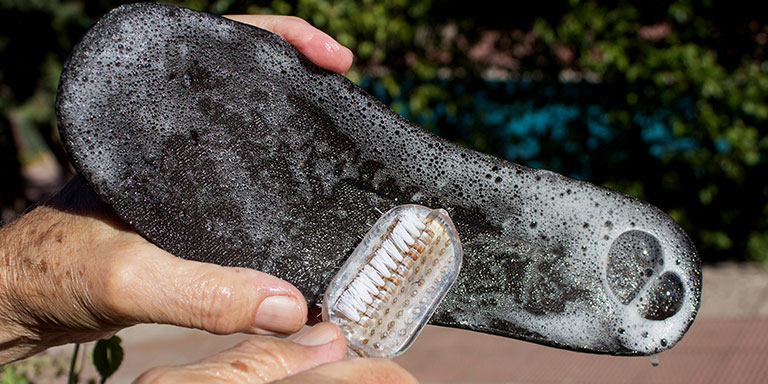
Regular cleaning of tactical boot insoles is essential to remove dirt and debris that can cause wear over time. Insoles should be dried thoroughly after getting wet to prevent mold and material breakdown. Conditioning insoles made from leather can help maintain their flexibility and prevent cracking.
Storing insoles in a cool, dry place and using boot trees can help maintain their shape and prolong their life. Regular checks of the tread can signal when they need to be replaced to ensure ongoing comfort. Custom insoles can be adjusted over time to accommodate changes in foot shape or condition.
Sometimes, persistent foot pain or discomfort can be a sign that it's not just your insoles that need replacing—it might be time for new boots altogether. If the outsole is worn flat, the upper is cracking or separating or you've lost ankle support, your boots may no longer be doing their job. Even the best insoles can't compensate for structurally compromised footwear, so keep an eye on overall boot condition alongside your insoles.
Finding the Right Size
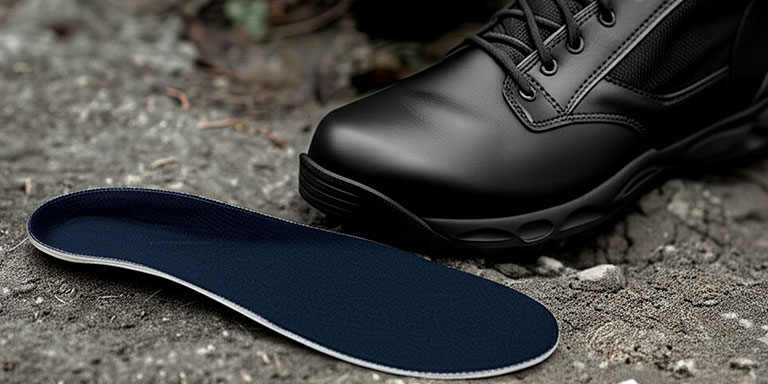
Choosing the right insole size starts with matching it to both your boot size and foot shape. Most insoles are labeled with a size range (e.g., Men's 9–11), so select the one that includes your boot size. Some insoles may need to be trimmed to fit perfectly—use the original boot insole as a guide and cut carefully along the edges.
To improve fit, choose insoles that contour to your foot's arch type (low, neutral, or high). This helps reduce unwanted movement inside the boot, minimizing the risk of blisters and fatigue. Also, pay attention to insole thickness—too thick, and your boots may feel tight; too thin, and they won't offer enough support. For wide feet or specific conditions, opt for specialized insoles designed for your needs.
Final Thoughts
Choosing the right insoles starts with understanding your foot type and knowing what features matter most. Key elements like shock absorption, cushioning and proper arch support all play a vital role in keeping your feet comfortable and protected—especially during long hours or demanding tasks.
Whether you go with memory foam, gel, heavy-duty materials, or weigh the pros and cons of custom versus off-the-shelf options, the right insoles can make a noticeable difference in your comfort, performance, and overall foot health.