

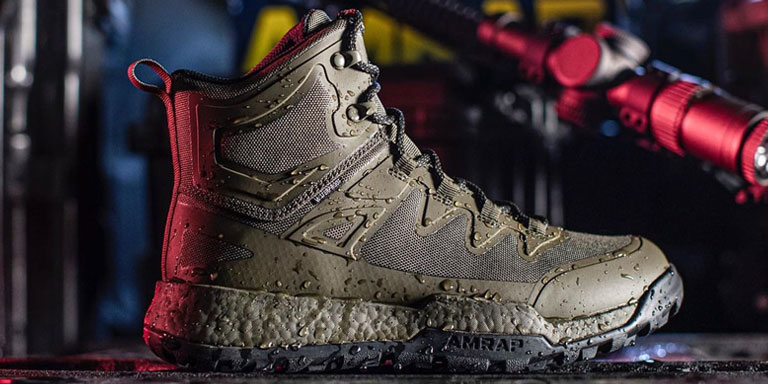
First responders know that preparation for duty starts with the basics. The boots you lace up, the base layers you throw on, and the jackets you zip before shift are the foundation of comfort and high performance in the field. Comfort is not a luxury. It's operational readiness. Your body must stay protected, dry and mobile to perform at the highest level.
While some departments provide high-quality clothing and equipment, many responders supply much of their own gear. That makes personal choices, from footwear to gloves, critical for long-term readiness. Poor-quality or ill-fitting gear can result in fatigue, discomfort and even injury over time. Understanding the nuances of materials, fit and layering can make all the difference.
Learn From the Pros
Backpackers and hikers spend countless hours refining their kits for long days in unpredictable environments. Their lessons apply directly to first responders, who often face the same challenges while on duty. Investing in durable, high-quality gear designed for sustained activity helps ensure comfort and performance.
Many outdoor enthusiasts focus on a "system" approach: combining base layers, mid-layers and outer layers that work together rather than relying on a single piece of kit. First responders can adopt the same principle. Understanding how moisture management, insulation and weatherproofing interact is key to maintaining focus and comfort during a shift.
Start From the Bottom
Boots form the foundation of any clothing system. Waterproofing boots is especially important for responders who may encounter wet terrain, ditches or flooded streets. According to Gore-Tex, its materials provide waterproofing, wind resistance and breathability. These properties prevent water from entering while allowing moisture from sweat to escape, keeping feet dry and reducing the risk of blisters.
Popular options include military boots, high enough to protect from wet ground without sacrificing mobility. Tactical boots provide great ankle support and can benefit those who require more support and complete coverage around the ankle. While hiking boots offer similar benefits with a slightly different appearance.
For those who demand light weight boots and would prefer quick-dry options without the waterproofing, several Waterproofing boots offer significant traction along with integrated drain ports to quickly clear the boot of water and allow for faster drying.
Waterproofing can reduce breathability as the boot's ability to keep water out also reduces airflow. As technology improves, this issue has been significantly reduced. It is still best to keep this in mind while exploring options and considering what fits your needs based on the environment you work in.
Sock Selection: More Important Than You Think
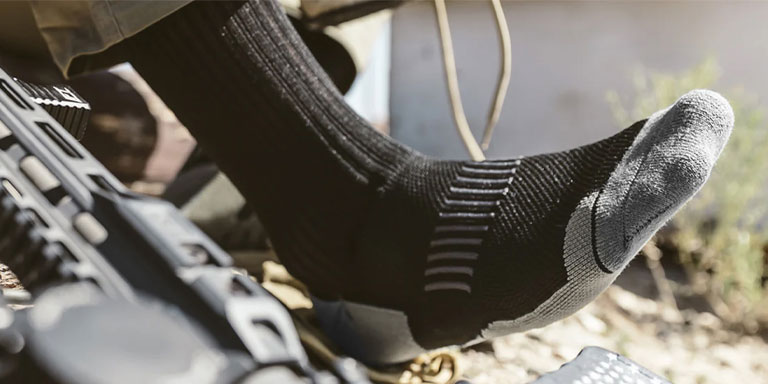
Sock choice is equally important, if not more, than the boots themselves. A selection of socks allows you to decide whether you need to prioritize thickness and warmth, or thin and breathable materials that can wick sweat and promote cooling on hot or active days. Most boot/over the calf socks offer a suitable barrier between your feet/legs and boots with sufficient breathability and flexibility.
Merino wool socks, though slightly more expensive, provide excellent cushioning, moisture management, and temperature regulation. Unlike some synthetic blends, wool can absorb moisture without feeling wet and keeps feet warm even when damp. For first responders on long shifts, Merino wool offers both comfort and performance, making it a staple in any kit. It also functions well in both hot and cold environments, making it a staple for the backcountry explorer and a fantastic option for first responders in the field.
Building Upwards
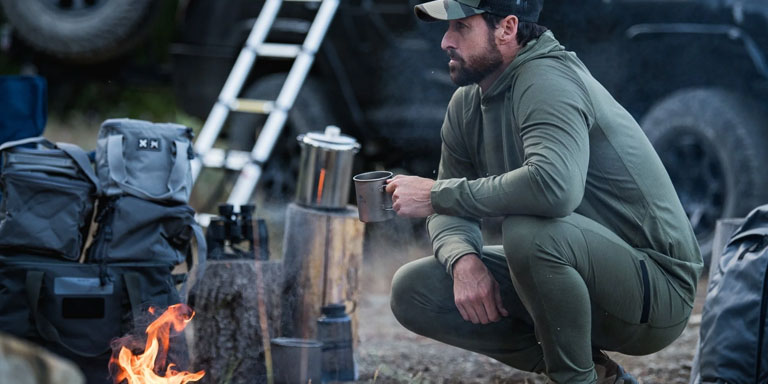
Uniforms are often more than suggestions. Agencies may allow some adaptability, but policy and leadership usually dictate certain standards. Even within those boundaries, thoughtful layering can maximize comfort, mobility, and safety.
Base layers are a first responder's best friend. They can be adapted to any uniform style while maintaining a professional appearance. Regardless of the climate, it's best to avoid cotton as it soaks up sweat and moisture leading to faster discomfort. Wool or synthetic base layers offer the best base layer solutions.
Underwear and long underwear are foundational items when it comes to all-day comfort. Polyester and other synthetic options work well for breathability. Long underwear is a worthwhile investment for cold climates, especially since most issued uniform pants offer little protection from wind and rain.
Warming top layers are excellent for cold nights or winter operations. Look for sweat-wicking properties in any base layer; moisture trapped against the skin can rapidly lead to cold stress or hypothermia after prolonged exposure.
When transitioning from warm vehicles or buildings to cold outdoor environments, sweat-wicking fabrics pull moisture away from the skin to prevent freezing. Even minimal moisture can dramatically drop core body temperature, making it crucial to choose the right base layers for extended outdoor activity.
Facing the Elements
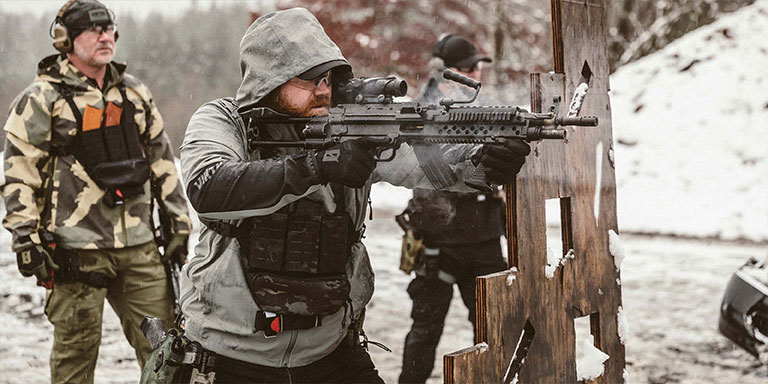
Depending on the expected weather, there are significant outerwear options to preserve heat and keep you dry.
Fleece jackets may be some of the best in the comfort category as they insulate well and can maintain their comfort regardless of whether you're finishing a report indoors or running into the cold for a priority call. Fleece is not the best option when it comes to rain and moisture, as it can take longer to dry than other alternatives. But this is why the layering of clothing and outerwear is fundamental for the cold.
For the mid-range between breathability and waterproofing, tactical soft shell jackets offer water-resistance while maintaining breathability for flexible environments. It is important to differentiate between water resistant and waterproof. Water resistance will support some water repellence and keep your base layers dry during some light rain. It still works as a good outer-layer to protect from some cold and rain in shorter durations. Soft shells are ideal for transitioning between warm and cold, helping regulate body temperature.
Hard shell jackets deliver uncompromising waterproofing with reduced breathability, which can help preserve heat while keeping the rain and cold away. It's a good idea to keep a hard-shell jacket handy regardless of the forecast.
These layers, such as fleece and a hard shell, can also be combined for the best of both worlds. Rain jackets, like hardshell parkas, can be sold with a removable fleece jacket. This offers a waterproof hard shell which can be downgraded to a mid-layer fleece or stacked up with both layers for longer term warmth and protection from rain.
Outerwear Considerations for Law Enforcement
For officers wearing plate carriers or other mission-critical gear on their upper body, outerwear choices are more complex. Jackets covering the carrier can restrict movement and access to equipment, creating operational risks. If policy permits, tighter, form-fitting layers beneath carriers may preserve heat while allowing full access to gear. Layering strategically beneath and around critical equipment is essential for both safety and comfort.
If you need to protect your carrier and the equipment on it during severe weather, keep in mind sizing will need to be adjusted. Look for button or Velcro options that can be hastily opened to gain access to vital gear.
Protecting the Top Half
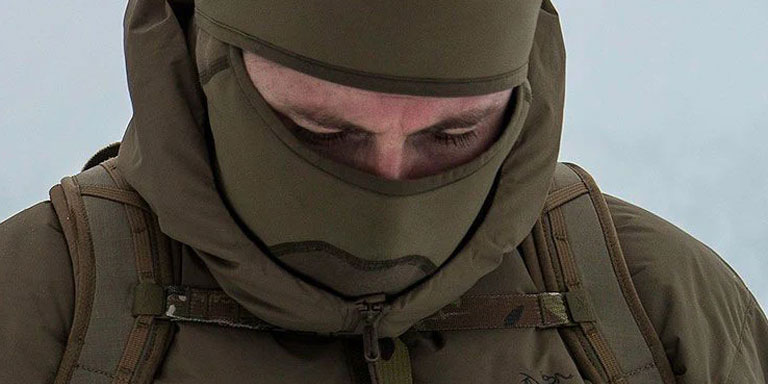
Face and head coverings can help preserve crucial body heat in cold environments or provide protection from the sun on the hottest of days. Basic tactical hats can be a lightweight option that can display your agency identifier while protecting your face from the sun.
It never hurts to have a few options packed in your vehicle or bag for when your environment changes. For a pocket-sized tactical beanie, there are several phenomenal options in a variety of colors. Some are made of Merino Wool, where the beanie naturally wicks moisture and resists odor.
Tactical balaclavas are cost-effective contingency options for dust and cold protection. Face coverings like these can help protect from airborne debris when the scene does not necessitate a respirator or higher level of PPE. They also cover more skin from wind and cold which can help preserve some warmth until you can get back into cover. While not a daily wardrobe choice, balaclavas are another kit option that can be thrown in a pack or door pocket to aid in your preparedness for the unexpected.
Accessories and Contingency Packing
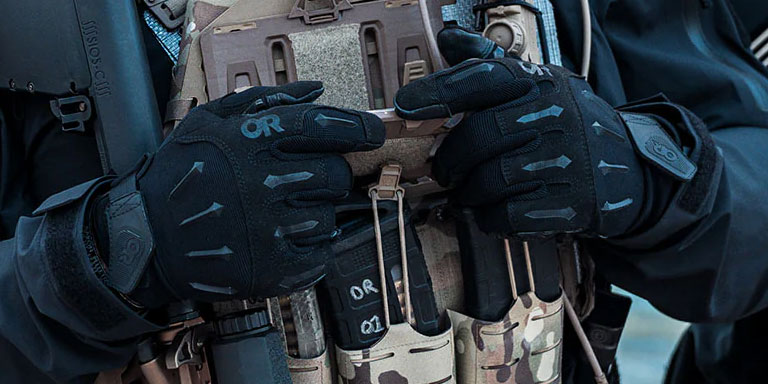
Gloves, while not always practical based on mission set, can make a massive difference in comfort and dexterity. Some responders need to constantly replace medical gloves making any other gloves unrealistic. For those with more flexibility, even a thin pair of traditional search gloves can help dull some windchill. Leather gloves can offer more insulation and weather protection than synthetic blends and can be a good option for a combination of safety and comfort.
Disposable hand and foot warms can offer immense comfort in a small package. It's a good idea to keep some handy as you move into the cooler months. Hand warmers can be stuffed between layers or even dropped down the top of body armor for some easy core heating that lasts a couple hours.
If you have the space, a small cache of replacement clothing is essential when it comes to dealing with bad weather. At a minimum, socks and underwear in a waterproof Ziploc bag should be stashed for quick replacement. Ideally, a spare set of boots and base layers can come in handy when the rain soaks through your initial set. Taking lightly worn clothing and used boots out of your normal rotation and designating them as your emergency set can be a good budget option to ensure you have some backups.
Preparation is Key
For those that work back-to-back shifts, it is crucial to maintain and prepare your kit for the next day. Anything to get air circulating within wet boots helps. You can opt to buy dedicated boot dryers or DIY some solutions at home. Boots can be laid upside down over floor vents and let the warm air slowly dry and warm the boots from within. A small fan or air purifier with steady flow can serve a similar function. If dry air is moving through the boot between shifts they should be refreshed and ready to go by the time they're laced up again. Hard and soft shells should generally stay out of the laundry and air dry instead. Follow the care instructions on other garments for proper washing and drying procedures.
The small moments between calls on-shift can be used for a quick refresh. Throw gloves, hats, and other small equipment on the dashboard or a building vent and let the warm air flow through the material to dry and warm the kit. Keep a towel on hand to dry off on the go and take off any layers you can to allow them to hang dry when time permits.
It's critical to routinely assess all equipment for operational readiness and make any necessary repairs and replacements while you have time on your hands. It also helps to have a few spares of your most critical pieces of equipment, both to have a change of clothes ready for at-work emergencies, and to be able to rotate through hard-use items between shifts. The longer you can rotate between boots, socks, and outer layers, the longer they will last.
Build Your System
Outfitting yourself properly is not just a matter of convenience—it's an operational necessity. Buying quality equipment with a long lifetime beats cheap, less-durable products especially when it comes to dependability in the field. It takes time and patience to develop a system that works best for your individual needs. Routine adaptation and assessment of your needs help create a personalized system over time.
As a first responder, your comfort, readiness, and resilience begin with preparation. It is critical to keep your body functioning at a high level from the start to the end of every shift. This means thinking through likely adverse events and planning for contingencies. With the right selections, you can run into the fray with confidence in your ability to perform.