

In professions where uncertainty is the only constant, preparedness is not a mindset but a requirement. Law enforcement officers, firefighters, EMS professionals, and other first responders operate in environments where routine can turn into chaos without warning. A quiet shift can become a large-scale incident in seconds when equipment fails; weather changes, infrastructure collapses, and callouts extend far beyond expected timelines.
Preparedness bridges the gap between what should happen and what does.
Most professionals already practice preparedness daily, often without labeling it as such. The concept of Everyday Carry (EDC) has become a common language, but its roots long predate the term. Everyone carries essential items that support daily function. For some, this means a phone, wallet, and keys. For others, particularly those in emergency response roles, it extends to knives, flashlights, notebooks, trauma gear, and job-specific tools.
But while EDC supports daily operations, it is not designed to sustain personnel through prolonged, high-stress, resource-limited events. That is where the go-bag fills a critical and often underutilized role.
Everyday Carry vs. the Go-Bag: Two Distinct Missions
One of the most common mistakes in preparedness is attempting to make a single bag serve every purpose. EDC bags and go-bags are often treated interchangeably, yet their missions are fundamentally different.
An EDC bag supports routine operations. It often holds personal items, cold and rain gear, snacks, chargers, and other comfort items that make a standard shift a little easier. For professionals who "hot seat" vehicles—common in EMS, fire, and some law enforcement agencies—EDC bags often double as mobile lockers, moving from personal vehicle to duty vehicle to office and back.
A go-bag, by contrast, is a contingency resource. It is not accessed daily nor opened for spare pens or phone chargers. It exists to support unexpected escalation: riots, natural disasters, man-made catastrophes, mass-casualty incidents, extended callouts, or situations where relief is delayed or unavailable. A well-built go-bag is preserved to work when everything else does not.
A go-bag does not have to be a significant financial investment if every addition is thoroughly researched and planned. Something is better than nothing, and there is no mandate to check off the entire list at once.
Selecting the Right Bag: Function Over Form
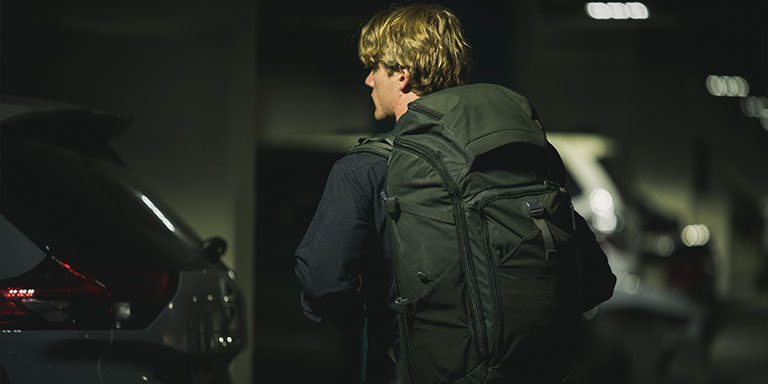
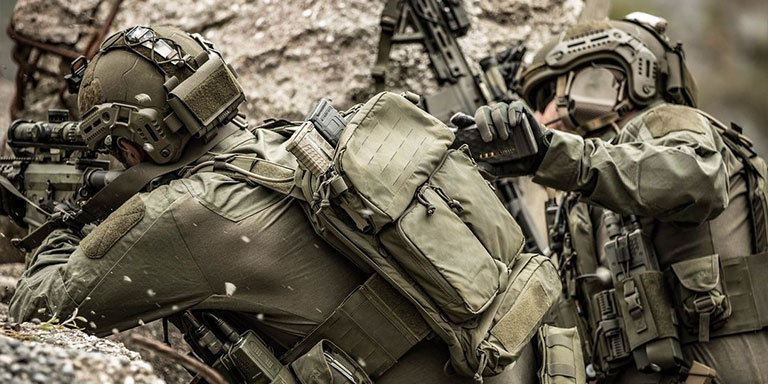
The foundation of any go-bag is the tactical bag itself. This choice should be driven entirely by function, not aesthetics. Tactical backpacks remain the most versatile platform for most users, as they distribute weight evenly, allow hands-free movement, and perform well during sustained mobility.
Choosing a tactical backpack can feel overwhelming with so many options, but they're ideal for personnel who move on foot, switch between vehicles, or navigate crowded environments. Limitations include top-down access, which can slow retrieval if the interior isn't well organized. Like any bag, they're easy to overpack, reducing practicality when it matters most.
Duffel bags excel in visibility and access. Full-length zippers allow users to see all contents at once, reducing search time under stress. Many modern duffels can be worn as backpacks, combining access with mobility. They are well-suited for vehicle-based operations or staging areas where frequent access is required.
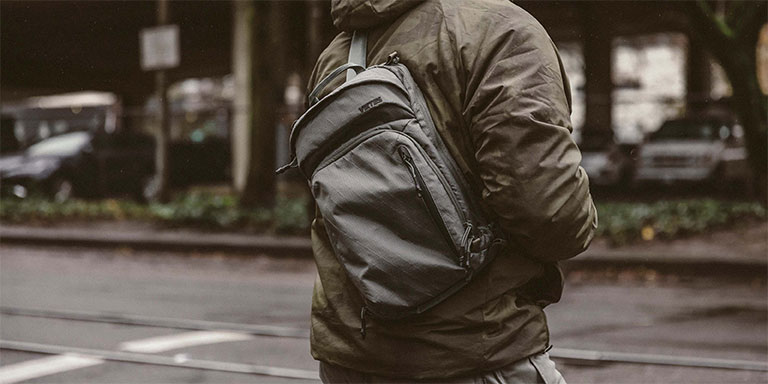
Active-shooter range bags, cross-body packs, and niche platforms provide rapid access to critical equipment but sacrifice volume and long-term sustainment capability. These are best used as supplemental kits, not primary go-bags. If space allows, they can be stored within the larger kit for fast access when the tools they contain are urgently needed.
Regardless of platform, a best practice is to inventory essential equipment first, then select a bag that accommodates it with unused capacity remaining. Empty space allows for mission-specific additions during deployment. Most vehicles used by first responders are mobile caches of job-specific equipment. Keeping some space available in a go-bag allows for the addition of other equipment from a vehicle, clothing layers, and personal items that wouldn't normally stay in the bag full-time.
Where and how a go-bag is stored matters. A bag that lives in a vehicle can be heavier and more comprehensive while a bag that moves daily between home, vehicle, and office must balance capability with weight. If a go-bag is inaccessible when needed, it may as well not exist.
Internal Organization: Accessibility Under Stress
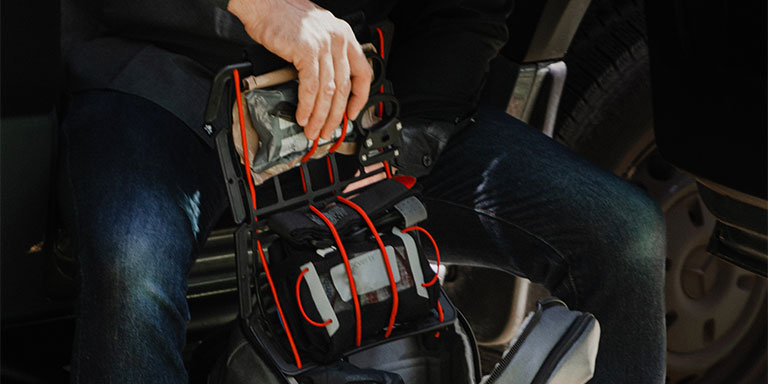
Equipment is only useful if it can be accessed quickly and predictably. Organizing inside a go-bag should prioritize clarity over complexity.
Simple solutions such as stuff sacks, zip-top baggies, and small pouches often work best. Breaking the bag down into sub-kits such as medical, sustainment, hygiene, and tools reduce chaos during high-stress situations. Each pouch should be clearly labeled using tags or permanent markers. Another solution is finding color-coded pouches that represent the contents within.
Small clip-on lights attached to zipper pulls or internal loops are a low-cost, high-value addition. Available in white or red light, and numerous other light color options, they enable gear identification in low-light conditions without flooding a scene with light or compromising night vision. To illuminate your EDC, toss in a dependable tactical flashlight and a few spare batteries towards the top of the bag to supplement the smaller light for tasks that require more visibility.
Sustainment and Survival: Planning for When the System Fails
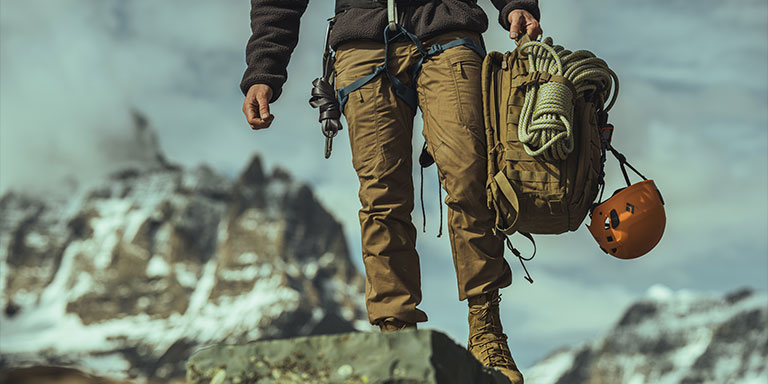
First responders are often expected to continue operating when conditions deteriorate. Power outages, infrastructure collapse, weather events, and delayed relief are realities, not hypothetical. If space and weight allow, a minimalistic survival kit is a worthwhile addition to any go-bag. Rather than focusing on rugged wilderness survival, prioritize the core principles of survival, fire, water, and shelter.
Survival tools like a lighter combined with a commercial fire starter offer a dependable ignition source and include dry tinder to help sustain the flame. Redundancy is recommended, and since pocket lighters are cheap, lightweight, and multi-functional, it doesn't hurt to throw a few in a pouch.
Easy to use and field-expedient water purification options include purification drops or tablets and filtering straws or hydration bottles. These items allow responders to use nearly any available water sources safely. An uninsulated stainless-steel bottle can serve as both a storage vessel to keep some clean water on hand, and a boiling container if fire is available.
A lightweight tarp is one of the most versatile tools available. It can serve as an overhead shelter, ground insulation, debris cover, or even a hasty litter. Emergency bivy sacks and reflective tarps add warmth with minimal space requirements. A length of 550 cord completes the shelter system.
A realistic goal for sustainment capability is up to 72 hours, adjusted based on mission profile, environment, and training. More training often reduces equipment needs, which in turn reduces overall weight. It is a worthwhile investment, whether in-person or virtual, to spend some time learning how to survive off bare-minimum staples.
Sleep Systems: Function Over Comfort
Extended incidents often involve poor sleep conditions such as gym floors, vehicles, staging areas, or improvised shelters. While sleep systems are rarely considered "essential," even the smallest moments of decent sleep during a major incident can drastically improve energy and focus when they are needed the most. A compact sleep system may include an inflatable pillow, ear plugs, sleep mask, and a lightweight blanket or towel. These items are inexpensive, lightweight, and invaluable during prolonged operations. If space is an issue, other pieces of kit within the bag can be repurposed for sleep. A jacket in a stuff sack makes a decent pillow, and a spare towel can provide just enough comfort as a makeshift blanket.
Hygiene and Personal Maintenance
Performance in the field is reliant on a functioning body. Without some core essentials, bodies break down and discomfort leads to reduced capability. A field-stripped basic hygiene kit may include simply a toothbrush and toothpaste, deodorant, chaffing powder, and field wipes. Consider individual needs such as glasses or contacts, prescription medications, and pain/allergy medications as well.
A microfiber towel, typically marketed toward outdoor enthusiasts, can compress into nearly any space and provide excellent absorbency in a small package. It can also be affixed to the outside of a pack to dry on-the-go while in the field.
Nutrition and Hydration
Include shelf-stable, easy-to-carry food options for quick energy on the go. Protein bars, field-stripped MREs, or even a jar of peanut butter with a spoon provide calorie-dense nutrition without adding bulk. While the human body can maintain high performance for some time without food, energy levels eventually drop, and a quick snack can mean the difference between discomfort and sustained operational readiness.
Sports nutrition products, like gummies and gels, pack carbs and protein into compact servings, making them ideal for endurance and long shifts. Consider adding caffeine in the form of single-serve powders or shots to support energy during extended days or nights.
Medical and PPE Considerations
Medical capability should be scaled based on capability and job requirements. However, an individual first aid kit (IFAK) can be the difference between life and death. While some active shooter kits are equipped for hasty treatment of many people, this scale is often not feasible on a go-bag platform. Consider the basics: a tourniquet, chest seals, and gauze/clotting items. A best practice is to store the kit in a waterproof bag and constantly keep expiration dates in mind, as the kit won't be accessed routinely.
It's always a good measure to keep some personal protective equipment on hand for disaster response or more acute but dangerous scenes. Work gloves, eye protection, respirators, and some form of hearing protection are worth consideration based on role.
Tools, Documents, and Administrative Items
A small miscellaneous pouch can house a multitool, small wrap of duct tape, spare batteries and/or charging options, and a bit of cash. Waterproof jurisdiction maps offer a redundancy to technology that can fail. Responders often live in or near the territory where they work. When disaster strikes, many leave their homes to help others with no guarantee of the condition it will be in when they return. Put important personal documents on a secure thumb drive that remains in the bag and consider writing down important contact information on waterproof paper as an emergency modern-day rolodex. Think of other small items that never seem to be accessible when needed and ideally offer a solution to more than one problem you may face. This pouch can serve as the "junk drawer" of the go-bag to fill any gaps.
Law enforcement officers may opt to carry extra magazines and ammunition, handcuffs, door stops, and other items geared toward mass casualty response, while EMS and Fire professionals may include extra medical and entry equipment depending on their roles and protocols.
Maintenance: Preparedness Is Not Static
A go-bag is not a "build it once" solution. Food expires, water stagnates, fire starters degrade, and medical supplies suffer from heat and light exposure. The best practice is to inspect and refresh go-bags multiple times per year. Maintenance also reveals inefficiencies and opportunities for improvement based on real-world experience. Personalize and adapt the kit over time as skills improve, roles change, and better equipment comes on the market.
Swap batteries, replace expired medical items, and be sure to rotate through water and food as needed to ensure what is packed away stays fresh. It's a good idea to empty the bag and inspect all items during these replenishment rotations. Consider what can be upgraded and/or discarded at the same time. This process of refinement is what evolves a generalized disaster kit into an extension of one's personal needs.
As the weather changes by the season, the bag may have to be adjusted to it. Cold-weather gear should be swapped out for the warmer months and some essentials like water should be plussed up as the days get hotter. It helps to figure out a schedule for seasonal outfitting throughout the year.
Always Be Ready
A well-refined and individualized go-bag offers value that far exceeds the physical space it occupies. Like a well-equipped toolbox, a mobile platform that stores solutions for most foreseeable problems is a quiet confidence boost. Always at the ready, a go bag is a staple for the first response professional. A well-equipped kit helps responders take care of themselves, so they can stay ready and focused on the mission.