

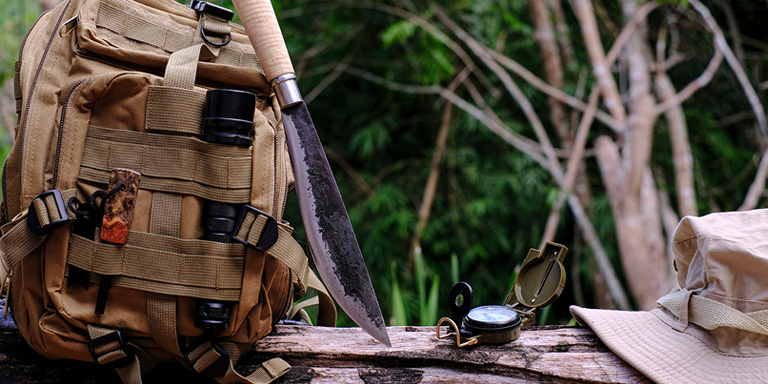
There are a million articles on the internet about what you should put in your bug-out bag, and most of them mention the same 50-100 items. There's nothing wrong with that; most people need the same basic items in a prolonged emergency or survival situation.
In this guide, we take a different approach. We'll suggest some things to put in your bug-out bag that you may have never considered before and share several different ways that each item can be useful. Throughout this guide, we will emphasize a high value-to-size ratio. Items on this list are small and lightweight but nonetheless versatile.
Washers
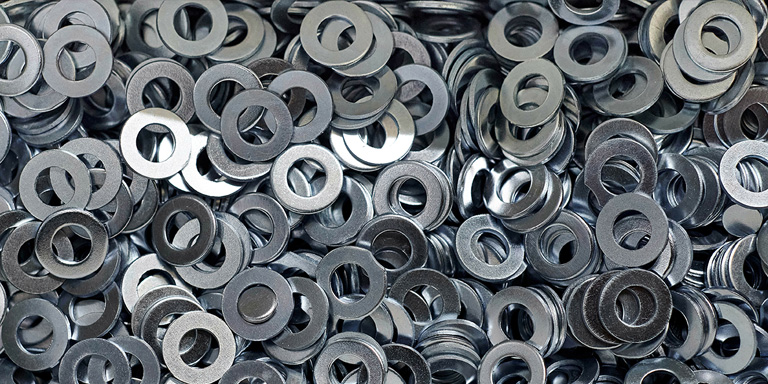
There are a few different kinds of washers that may come in handy: load-distribution (standard) washers, fender washers, and insulator washers. You can pick up a few dozen of each on the cheap at your local hardware store.
Construction and Repairs
Obviously, in a survival situation, you're likely to need washers for their intended purpose.
When building or repairing structures, washers help distribute weight more evenly around screws and bolts, preventing split wood and unstable fixtures.
Fender washers are a quick and easy way to temporarily repair leaky pipes and hoses until you can figure out a permanent fix.
Insulator washers are used to isolate fasteners and other metal components from power sources, enhancing the safety and reliability of electrical systems.
Keeping Doors Open
Most doors have strike plates in a few different standardized sizes. Small washers (usually 1/2", 5/8", or 3/4") will fit into the hole on the strike plate and prevent the door from latching when it's closed — but the person closing the door likely won't notice. This can be a handy way to get into an area you might not otherwise be able to get into. Obviously, don't use this tip to access places you don't belong outside of life-threatening emergencies.
Making Snares
With some small-diameter steel cable or stripped electrical wire, a few washers, and a hammer, you can make simple snares for trapping small game. YouTube tutorials on this topic are easy to find.
Perimeter Alarms
String clusters of washers on fishing line and run it around your camp at knee level for a quick and easy security alarm. They won't jingle very loudly if someone moves the fishing line, but sometimes, that's just what you want — a loud alarm could draw even more unwanted attention from farther away.
Assorted Electrical Wire
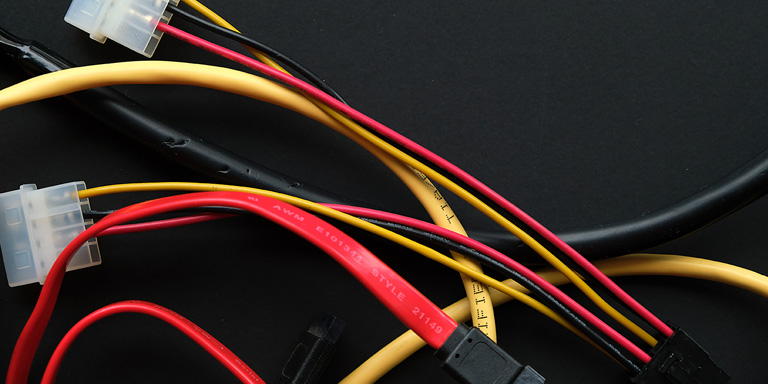
A small package of wire spools in various gauges is cheap, broadly useful, and doesn't take up much space in your bag.
Electrical Repairs
Electrical problems are often caused by corroded or damaged wires. Having spare wire on hand can solve many basic power problems.
Making Snares
Steel cable is best for snares, but stripped electrical wire works in a pinch.
Carry Loops/Emergency Cordage
A simple carry loop or drag handle can make large, heavy objects much easier to move, and you can make them by twisting several strands of stripped wire together.
Starting Fires
Done safely, AA, AAA, and 9-volt batteries can be used to start a campfire:
Prepare your fire site and sprinkle it liberally with tinder.
Strip a one-foot section of heavy-gauge wire at both ends, then strip a short section in the middle.
Press one end of the wire against the battery's negative terminal and the other end against the positive terminal. Do not touch any of the exposed wire during this process, and use an oven mitt or some other-heat resistant material to hold the battery itself — it will quickly get hot.
Hold the middle section of exposed wire against the tinder until it ignites. It shouldn't take long. Separate the wire from the battery and allow both to cool as soon as your fire gets going.
Please be extremely careful when you practice this; the wire will get hot enough to cause burns if it comes in contact with bare skin. Also take care not to let the battery or wire unintentionally ignite flammable materials outside your fire pit.
Makeshift Garrote
A garotte is a simple and versatile weapon used to lethally or non-lethally eliminate enemies with minimal noise. You can make one in under five minutes with several strands of wire and two small pieces of wood or any other material to serve as handles. Again, instructions are easy to find on YouTube and similar sites. Never practice garrotting real people because the risk of unintended injury or death is very high — use the weapon only on training dummies.
Zip Ties
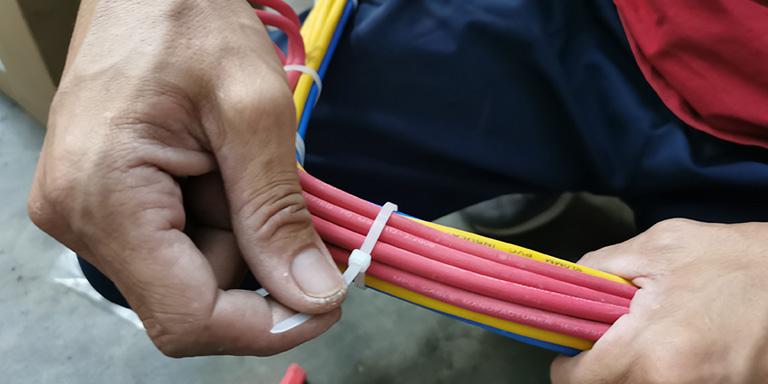
The obvious use for zip ties is to quickly and easily attach just about anything to anything else, but they have many other creative applications as well.
Restrain Combative People
Zip ties are cheaper and lighter than handcuffs, and you can carry hundreds of them in a small bag or pouch. If you need to restrain someone in order to prevent them from hurting you, themselves, or others, zip ties are a good way to do it. Be careful not to tighten the zip ties so tightly that you cut off blood to their hands — this can cause serious and permanent damage. Use three zip ties: Tie one snugly around each wrist, then use a third zip tie to connect the other two. This configuration is much harder to slip out of and much less likely to cause injury than a single zip tie around both wrists.
Mend Fences
Damaged chain-link, wire, and lattice fences can easily be mended with zip ties. It won't be pretty, but it'll do until you can find materials for a proper repair. Just use the zip ties to replicate the fence's original pattern.
Hanging Herb Gardens
If you have limited garden space, work in three dimensions. Zip tie tin cans to wood or metal posts, fill each with soil, and plant herbs or small vegetables. Be sure to leave enough space between each can for the plants to grow freely.
Prevent Bug Bites
Sometimes, bug bites are just a minor annoyance, but other times, they can cause deadly diseases or infections. When you travel through especially buggy areas, zip tie your pant legs around your ankles and your shirt sleeves around your wrists to stop bugs from getting inside your clothing.
Trail Markers
Brightly-colored zip ties are cheap to buy in large quantities and can serve as trail markers if you're traveling through a confusing area.
Sillcock Keys
A sillcock key is a special type of key designed to prevent easy access to limited or sensitive resources. Unlike normal keys, which are unique to one specific lock, sillcock keys and locks come in only a handful of configurations. 4-in-1 and 8-in-1 sillcock keys are inexpensive and can help you access critical resources in a life-threatening emergency, such as hose bibs, electrical panels, gas lines, radiators, water heaters, and emergency equipment cabinets.
Ebook Reader

We know what you're thinking: You generally shouldn't have anything in your bug-out bag that requires batteries. We agree, but we think this is a notable exception. Although an eBook reader is fragile and will require charging at some point, we think its vast utility justifies these drawbacks.
An eBook reader can store many thousands of books with topics on outdoor survival, hunting, gardening and anything else you might need to know during a prolonged emergency. Research, buy, and download books on a regular basis. Before you know it, you'll have a whole survival library on hand.
Be sure to buy a model that is only an ebook reader, not a tablet. These models have vastly superior battery life and don't require constant operating system updates. The most battery-efficient models can offer 100+ hours of reading time and can hold a charge for many years when powered off. Pick up a durable case and a small solar charger and you'll be set.
Potassium Permanganate
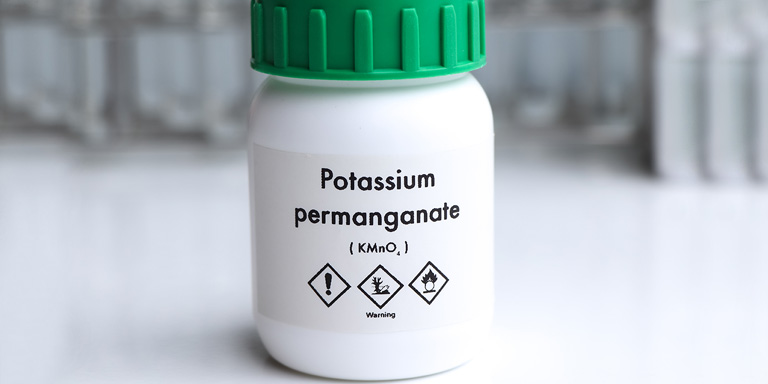
This purplish-black powder has many surprising uses. Don't touch the undiluted powder without gloves; it can burn your skin. When you make a liquid solution of potassium permanganate, it should be pink — if it's purple, it's too strong.
Wound Disinfectant/Mouthwash
Create a solution of potassium permanganate in water at a 1:10,000 ratio and sprinkle it over bandages as a disinfectant, or mix it in water at a 1:1,000 ratio to make mouthwash (don't swallow it).
Fruit and Vegetable Preservative
Put a teaspoon of potassium permanganate powder in a small mesh bag, then put that bag inside of another bag or container where your produce is stored. Make sure the holes in the mesh bag aren't big enough to allow the powder crystals to fall out. Used this way, potassium permanganate can help your produce stay fresh for up to 50% longer.
Water Purification
Water that you find in the wilderness needs to be purified before you can drink it safely. Surface and ground water that is visually clear still needs to be treated. Mix potassium permanganate at a 1:10,000 ratio such that the water is bright pink, then let it sit for an hour. At this concentration, it's safe to drink, but it may have a funny aftertaste.
Firestarter
Be very careful when using potassium permanganate to start fires. Place half a teaspoon of the powder on top of your tinder, then add 3-5 drops of ethylene glycol or glycerin. Quickly back away and stand clear because the mixture will ignite within a few seconds. You can then slowly add more tinder and kindling to grow your fire.
Be sure to keep the ethylene glycol or glycerin in a sealed, separate, durable container, and keep that container far away from the potassium permanganate in your bug-out bag. You definitely don't want your bag combusting while it's on your back.
Shemagh
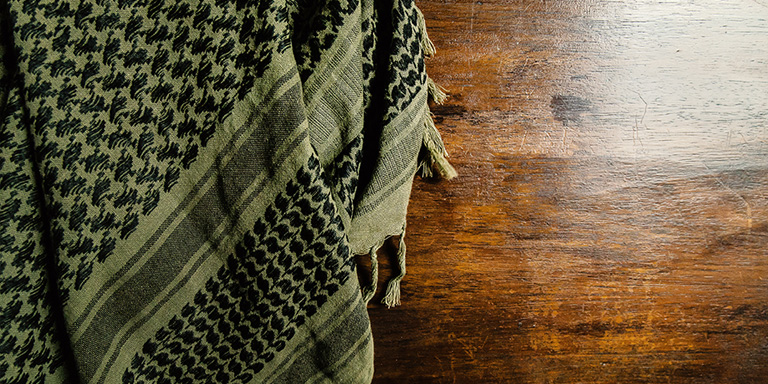
A shemagh (also called a keffiyeh) is a common garment in the Middle East, where the climate is hot and unforgiving. It's traditionally worn by men, but women can certainly use one, too. Check out our guide on how to tie a shemagh to see one of the many ways it can be worn.
Environmental Protection
The shemagh is most commonly worn as a headdress or scarf to shield the wearer from wind, sun, and blowing sand. It can also reduce sweat lost to evaporation, helping you stay hydrated in hot areas.
Camouflage
Shemaghs come in many colors and patterns to help you blend into your surroundings if visibility is a concern.
Pillow
Roll and tie your shemagh into a ball if you need a pillow. The fabric is soft and reasonably comfortable to sleep on.
Makeshift Belt, Pouch, Towel, Sling, Tourniquet, Potholder, or Water Filter
There are dozens of creative ways to use a shemagh to approximate or stand in for some other tool — check out YouTube for many helpful video tutorials.
Fast-Growing Herb and Vegetable Seeds
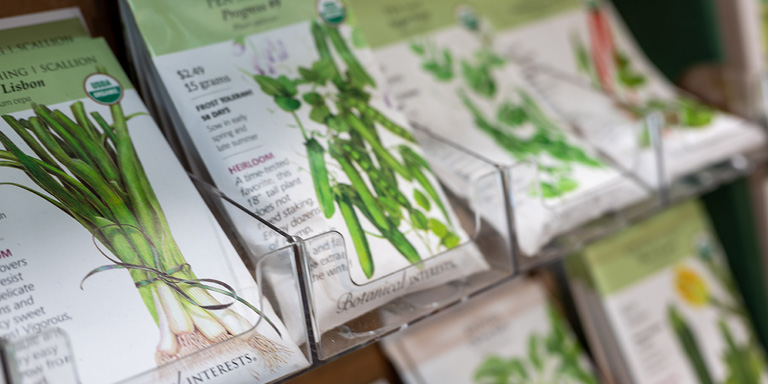
Seeds take up almost no space in your pack and could be a literal life-saver if you have to settle down in one area for a long period of time. Turnips, squash, beets, basil, and fenugreek grow quickly and easily in most climates. You likely won't be able to meet all of your food needs with a small garden, but it's a good start.
Compact Slingshot
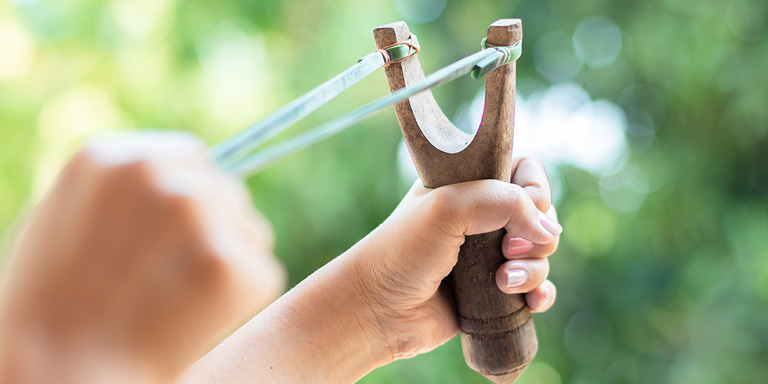
Given how useful slingshots are, it's amazing how infrequently survivalists and preppers talk about them. Compact, foldable models can fit in your pocket, and they're great for hunting small game or self-defense in a pinch. They're nearly silent, and they're lightweight and easy to repair with common parts. Plus, you can use almost any small, hard object for ammunition, if necessary.
Although slingshots are sometimes marketed as toys, make no mistake — they are weapons and must be treated in accordance with the four rules of gun safety. Powerful slingshots are easily capable of killing people, especially when paired with sufficiently heavy ammunition, such as 1” ball bearings.
Waterproof Mechanical Watch
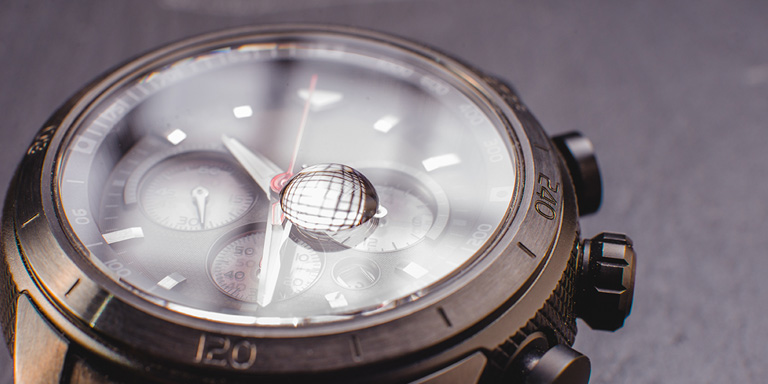
Nowadays, mechanical watches are often ultra-expensive luxury items that can cost tens of thousands of dollars, but there are a few companies that make more practical (and vastly more affordable) models. Mechanical watches don't use batteries, so as long as you remember to wind them regularly, they'll run forever. Many have built-in compasses, and fancier models can track dates and moon phases, set alarms, or even wind themselves automatically.
Aluminum Foil
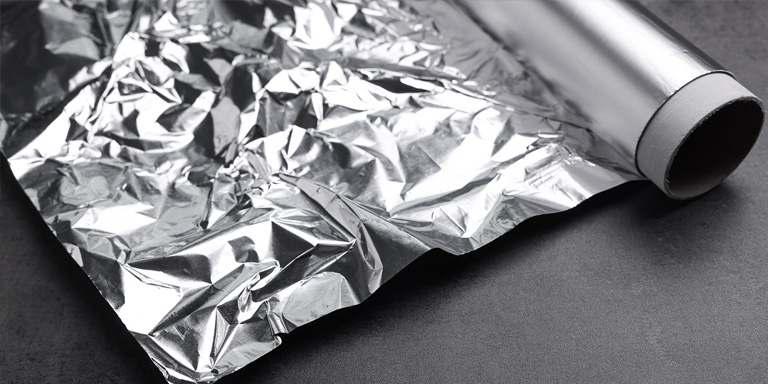
This simple item, found in most kitchens, has surprising outdoor utility and versatility.
Waterproofing
Tightly wrap water-sensitive items in 3-4 layers of aluminum foil and they'll stay dry at almost any depth.
Signaling
The shiny side of aluminum foil is great for catching the sun when you need to signal for help.
Cooking
There are tons of easy, tasty, and nutritious campfire recipes that are as simple as wrapping your food in foil and placing it directly in the coals.
Splinting
Wrapping a broken arm or leg in one sheet of foil won't do much, but several layers of foil can make a reasonably strong and sturdy cast. Our guide to basic survival medicine has many more tips for treating injuries with common items.
Vaseline/Chapstick
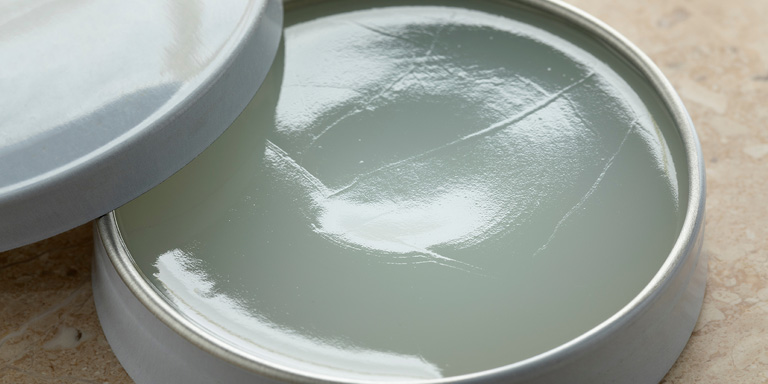
Like most of the other items on this list, Vaseline and Chapstick have a surprising number of uses.
Skin Care
Chapped lips and dry skin may seem like trivial concerns, but if you're living outdoors for long periods, you should take them seriously. Cracked, dry skin dramatically increases your risk of infection and can become a highly distracting annoyance over time.
Firestarter
Petroleum jelly-based products are just flammable enough to help you get a fire going without being dangerously explosive. Rub some Chapstick on your tinder if you're having trouble getting that first spark to catch.
Treat Bug Bites and Shaving Nicks
Vaseline and Chapstick can help stop the fierce itching caused by bug bites and light bleeding from minor cuts — just apply directly to the affected area.
Emergency Candle
Poke a small hole lengthwise through a tube of Chapstick, insert a cloth wick, and you've got a tiny candle. It won't burn for more than an hour or two, but in a pinch, it might help.
Lubricant
Are your firearms or simple machines badly in need of lube? Petroleum jelly products work well enough if you don't have something better, but apply them sparingly — too much will gunk up the works and make the problem worse.
Deciding what to pack in your bug-out bag may seem like a simple task at first glance, but most people find that what they want to pack vastly exceeds what they reasonably can pack. Hopefully, this guide has given you some creative ideas about ways to maximize your bag's overall utility while minimizing its size and weight.