

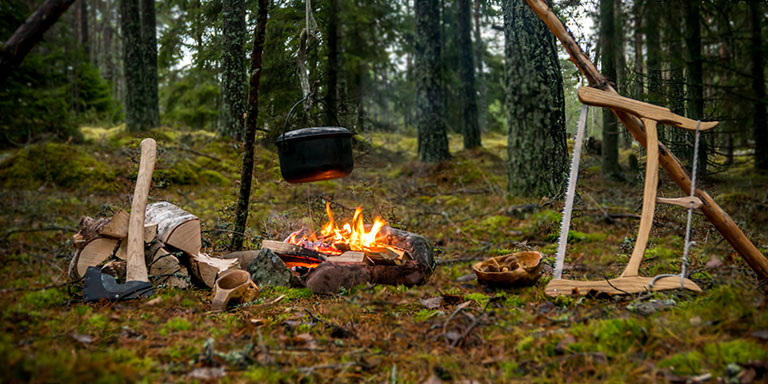
Most people have a vague understanding that bushcraft is somehow related to outdoor survival, but there's more to it. Practicing the skill of bushcraft can enrich your life in many ways, as can a deeper understanding of its history.
In this guide, we'll review a brief history of bushcraft and some of its most prominent pioneers. We'll also touch on its constituent skills and how to start learning them yourself.
What Exactly Is Bushcraft?
Bushcraft is the skill of being able to survive — even thrive — in the wild with minimal equipment. Whereas camping is a semi-comfortable activity typically done close to civilization, bushcraft is more about learning to survive for extended periods in deep nature, which is harsh and unforgiving.
Bushcraft covers six fundamental skills: foraging and hunting, firecraft, finding and purifying water, building shelter, first aid and navigation.
A Brief History of Bushcraft
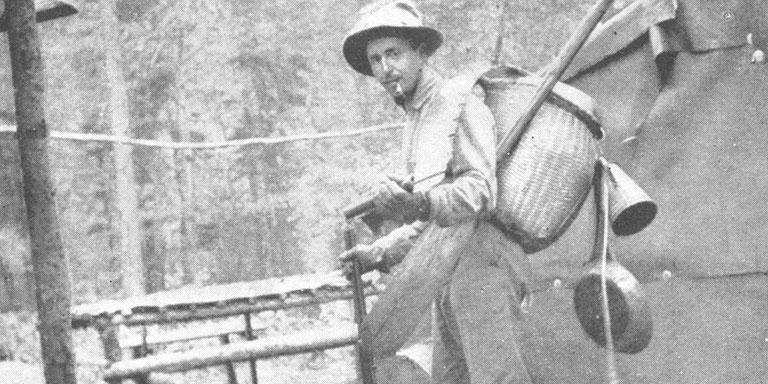
The exact origins of bushcraft as a formal discipline are somewhat disputed. Even the term “bushcraft” doesn't have one single, verifiable origin. One possibility is that the term was born among Australian military and paramilitary survivalists in the mid-1800s, which would make sense given that Australians refer to the country's harshest regions as “the bush.”
Just as bushcraft doesn't have a clear-cut origin, nor does it have one single creator. Early pioneers who have contributed significantly to its development include A.G. Hales, Mors Kochanski, Horace Kephart, George Washington Sears, Susanna Moodie, and Les Hiddins. Each outdoorsman has written books, started survival schools or developed new techniques for surviving in the wilderness.
If you're interested in learning more about these pioneers and their contributions to bushcraft, any of these books would be a good place to start:
- Campaign Pictures of the War in South Africa (1899-1900) by A. G. Hales
- Our Southern Highlanders and Camping and Woodcraft by Horace Kephart
- Woodcraft and Camping by George Washington Sears (not to be confused with Kephart's similarly named work)
- Roughing it in the Bush and Life in the Backwoods by Susanna Moodie
- Bushcraft by Mors Kochanski
- Bush Tucker Field Guide by Les Hiddins
Benefits of Practicing Bushcraft
Learning bushcraft is a big investment of time and energy, even more so than most other outdoor activities. If you want to learn, expect to spend many days in the middle of nowhere being dirty, tired, hungry, thirsty and frustrated. It's not most people's idea of fun, at least in the beginning, but for many, it gets more enjoyable as you become increasingly capable of holding your own in the wilderness.
There are many other benefits to practicing bushcraft:
- Increased confidence, self-reliance and self-esteem
- Peace of mind knowing you're well-prepared for a large-scale disaster
- Increased strength, cardiovascular health and overall wellness
- Camping, hiking and other outdoor activities become easier and more enjoyable
- With solid bushcraft skills, you can see amazing places that might otherwise be inaccessible
- Learning to solve problems creatively with minimal tools translates well to many other areas of life
Six Essential Skills of Bushcraft
As we mentioned earlier, there are six main skills that comprise bushcraft, each of which has many sub-skills of its own. If you're new to the world of bushcraft, be sure to start slow and take it easy. Practice basic skills in the safety of your own home, then challenge yourself little by little in nature. Master a handful of essential techniques before trying more advanced ones or venturing out on expeditions that could be dangerous. Stay close to civilization at first, and bring plenty of food and water in case you can't find any in the wild.
Hunting and Foraging
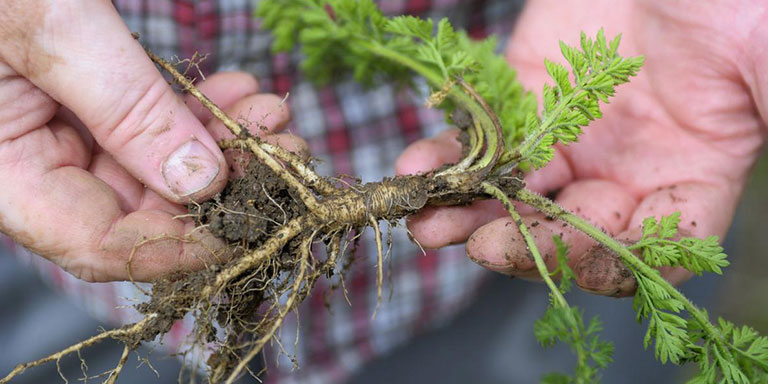
Depending on what part of the world you find yourself in, staying well-fed in the wilderness is somewhere between tricky and extremely difficult. You'll rarely have many options about what to eat, so you'll need lots of practice at finding and preparing whatever's available.
Bushcrafters need to know how to:
- Identify, collect and prepare edible plants
- Track game
- Hunt, trap and fish
- Field dress, skin and cook meat over an open fire
- Craft makeshift weapons and tools suitable for all of the above tasks
Of the six main branches of bushcraft, hunting and foraging is arguably the most difficult to learn. If possible, find an experienced hunter or bushcrafter to teach you the basics.
Firecraft
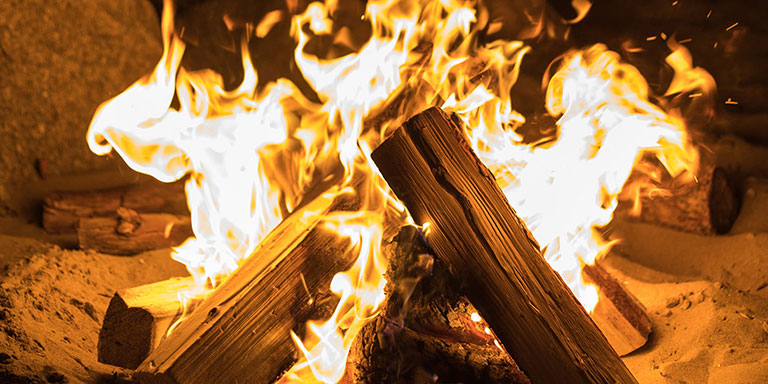
Fire is and always will be one of humanity's most important tools. If you know how to build three types of campfires, you'll be well-prepared for most situations (see our guide to basic firecraft for assistance).
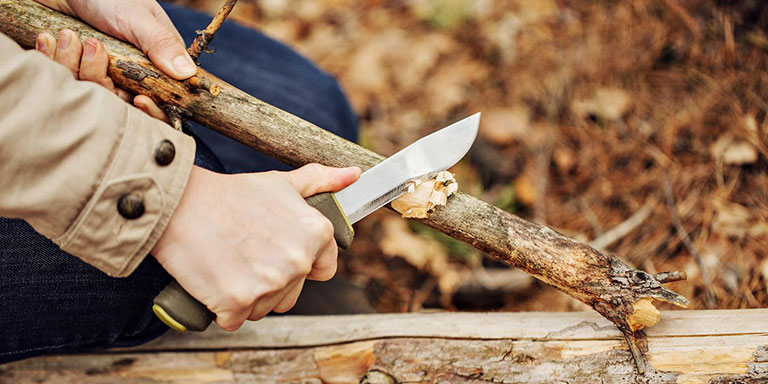
The ultimate fire-making challenge in bushcraft is to build a fire with nothing but a knife. With sufficient practice, you'll be able to create simple wooden tools to get your fire going, which is harder than it may sound. In the meantime, practice simpler methods of building a fire until you can do so consistently.
Finding Water
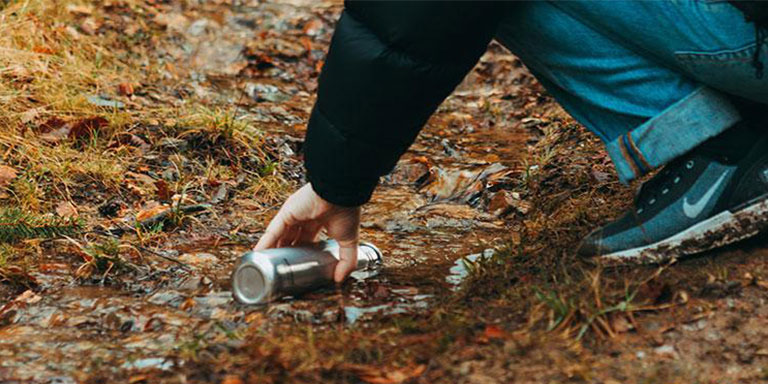
In most wilderness survival situations, staying hydrated will be your most pressing need. Finding water, although tricky, is generally the easy part; making it drinkable can be a lot more challenging. The majority of natural water on the planet is likely to make you sick if you drink it straight from the source, so be sure to filter, boil or chemically treat it first. Drink untreated surface water only in a true life-or-death emergency wherein you don't have any way to make it potable.
Check out our guide to finding and treating water in the wild for more in-depth tutorials.
Finding and Building Shelter
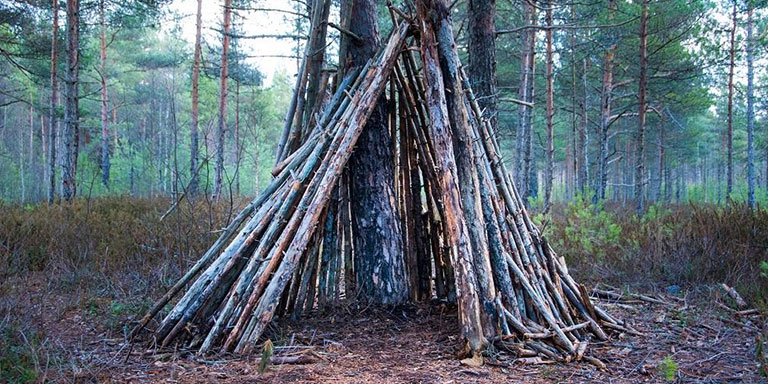
Learning to build temporary shelters from scratch is one of the most fun parts of bushcraft, and it's easy to practice close to home. Behind water, shelter is usually your second-most critical need in the wild, and you should make sure you have somewhere to sleep long before the sun goes down.
There are hundreds of ways to build cozy tents and burrows, but if you start with a handful of the most common, you'll have options in any climate. Our guide to crafting makeshift shelters will help you get started.
First Aid
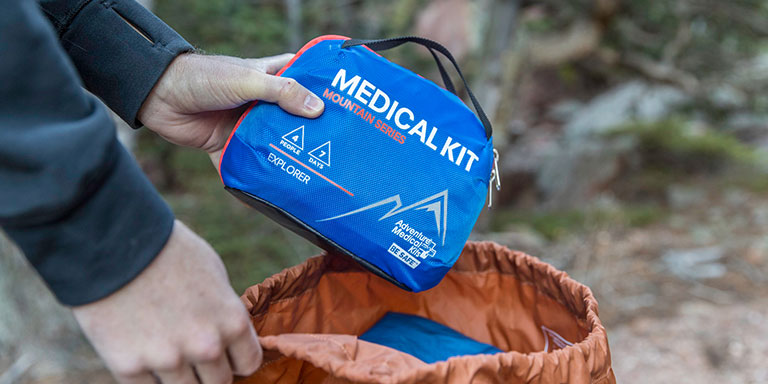
Unexpected illnesses and injuries can quickly derail an otherwise smooth wilderness outing. Many such ailments will ultimately require treatment by a medical professional with advanced equipment, but there are basic and effective techniques you can use to patch yourself up in the bush.
As with most things, prevention is way better than a cure. Staying clean, well-fed and well-rested are the best things you can do to stay healthy when you're miles from the nearest town. Check out our guide to basic survival medicine to learn more.
Land Navigation
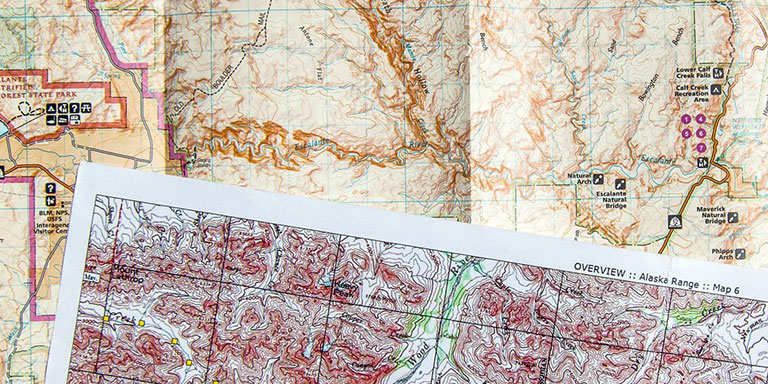
Learning to find your way around in nature confidently isn't terribly difficult, but it does demand great care and attention to detail, because tiny mistakes could throw you off course by miles. It's easy and fun to practice land navigation in an urban area, where it's a lot harder to get lost. Most of the techniques you'll learn work just as well in the city as they do anywhere else.
If you're not sure where to start, try our guides to basic map reading and GPS phone apps.
Basic Bushcraft Gear
The eventual goal of practicing bushcraft is to develop the ability to survive in the wild for weeks at a time with minimal equipment. Some ultra-hardcore (and highly experienced) survivalists can do so with nothing but a high-quality survival knife. Of course, venturing deep into the wilderness can be dangerous (even fatal), and you should never take on challenges you aren't thoroughly prepared for. Start your bushcraft journey with as much equipment as you need to stay safe and undertake more difficult outings only when you're ready for them.
Suggested Shopping List
- A well-made survival knife is the single most important part of a bushcrafter's kit. With an excellent knife, you can prepare food, defend yourself and craft other tools, so buy the best one you can afford.
- A sturdy backpack is second in importance only to your knife. Invest in a roomy, comfortable, durable pack to hold all of your other gear. A bag that breaks or rips could make it difficult or impossible to carry anything else.
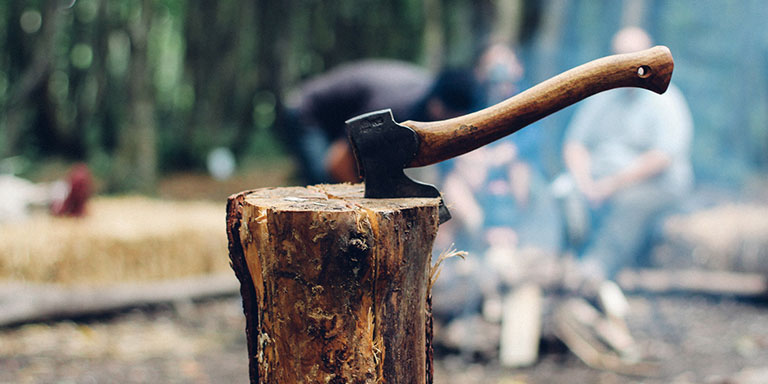
- You'll need a hatchet and a saw for building fires and shelters. Be sure to bring both; they have distinctly different uses.
- A compact, lightweight fishing kit is a good way to eat if you're near water. Many novices find fishing easier than hunting.
- Bring a small kettle, a skillet and a cooking pot. These items are bulky and heavy, so if you don't want to lug around multiple pieces of cookware, it's probably best to go with a skillet, as it's the most versatile.
- You can do a lot with a large tarp and various kinds of rope and cord, like making simple tents, hauling firewood and keeping your food away from curious bears.
- Bring at least one spare set of weather-appropriate clothing. Bring more if you plan to be out longer than a few days.
- Basic hygiene supplies like a toothbrush and soap are just as important in the wild as they are at home. Forego these items only once you've learned several tricks for staying relatively clean outdoors.
- Pack an individual first aid kit and ensure that you know how to use everything in it.
- Bring a compass and a map of the area, and make sure you can read the map accurately and with confidence.
Bushcraft can be a punishing discipline, but it's also a deeply rewarding one. Aside from its obvious uses in emergency situations, you may be surprised at the other benefits it can offer. Learning to survive in the wild is a great way to become more confident that you have what it takes to persevere in difficult situations, including the more mundane but nonetheless stressful situations you encounter in your everyday life.