

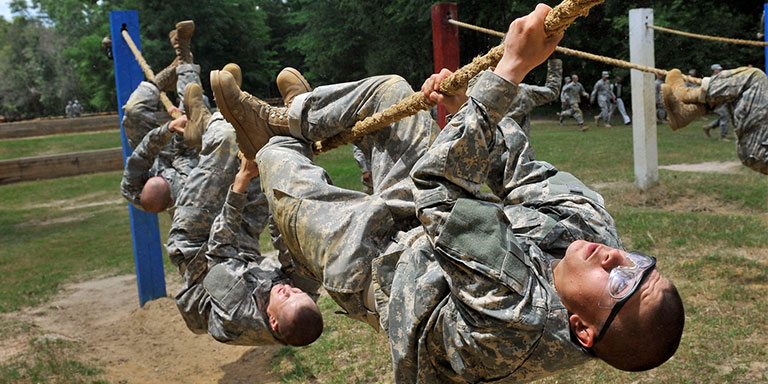
Joining the military is one of the biggest decisions you'll ever make, and big decisions can bring major uncertainty. Most new recruits lose sleep wondering what basic training will be like, even fearing it. Official military publications give only vague indications of what to expect, often worsening the anxiety instead of alleviating it.
In this guide, we'll share general information about military culture and some advice on how to make it to graduation. We'll also break down basic training week by week so you can prepare yourself mentally and physically.
Note: This guide is current as of 2023, but the structure and content of basic training changes over time. It also varies somewhat by branch. We've chosen to focus on Army basic training for this guide, but basic training for other branches should be similar.
5 Essential Basic Training Survival Tips
Military culture, rules and expectations come as a huge shock to most new recruits, especially since recruiters often downplay the harsh reality (they are salesmen, after all). Like anything else, military life has its upsides and downsides. In this section, we'll touch on even the unpleasant aspects of military life—precisely because other military resources usually don't talk about them. For the best chance of success when joining the military, you should know what you're in for so you can make an objective, well-informed decision.
Expect Constant Punishment
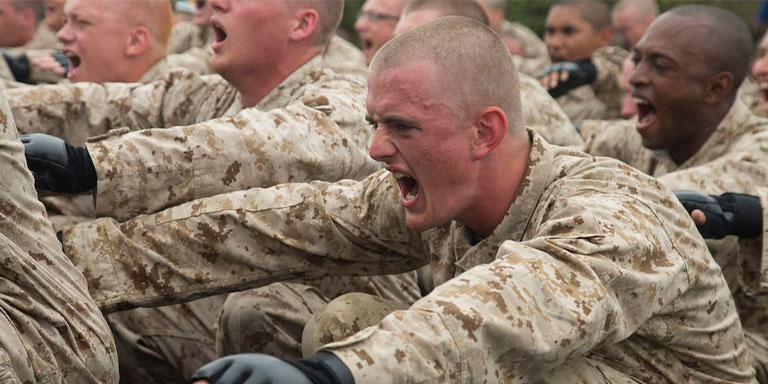
The whole point of basic training is to turn civilians into soldiers who can handle the harsh realities of combat. Whenever something goes wrong, expect to be punished—or “smoked”—even if you had nothing to do with it. This will happen pretty much all day, every day throughout basic training. Such punishment often comes in the form of grueling physical exercise, extra chores, or revoked privileges. Drill instructors do this to build up your physical and emotional endurance so that you might better withstand the horrors of a combat zone. It's also done in order to reinforce the idea that your squad, platoon or company is a team—you all succeed together or fail together, and in combat, you'll pay for one another's mistakes.
Don't Expect Praise
In your drill sergeant's eyes, all trainees are the same. To them, you haven't gone above and beyond when you ace your fitness test or hit 40/40 at the rifle range—you've simply done what's expected of you. In the military, praise and rewards usually come in the form of simply not being punished. Again, this is done in the name of preparing you for the unforgiving nature of life in a combat zone.
The Rules Will Change Daily
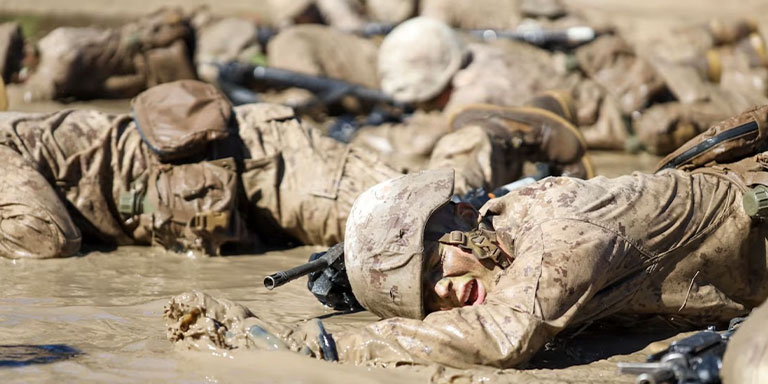
Never assume that the rules, privileges, or standards that were in place yesterday will still be around today. These things change daily, sometimes from one minute to the next. Try to see the best case scenario: It helps you develop the skill of adapting to change quickly, which is yet another thing you'll need to be able to do in combat.
You Will Be Physically Wrecked
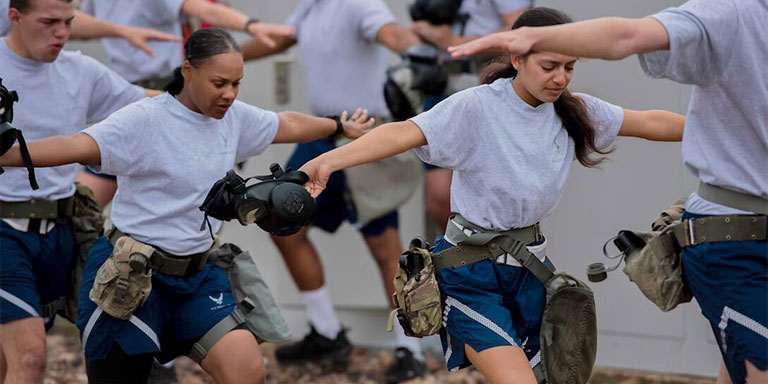
Regardless of how healthy you are when you begin basic training, you will spend a portion of the next ten weeks sick, injured, malnourished, and/or sleep-deprived. It's normal to anticipate injuries and illnesses during basic training. Everything from the common cold and flu to sprains and stress fractures are commonplace. We don't mean to scare you—major injuries like broken bones are uncommon—just know that your body will be pushed to its limits.
You'll Need to Pause Your Entire Life
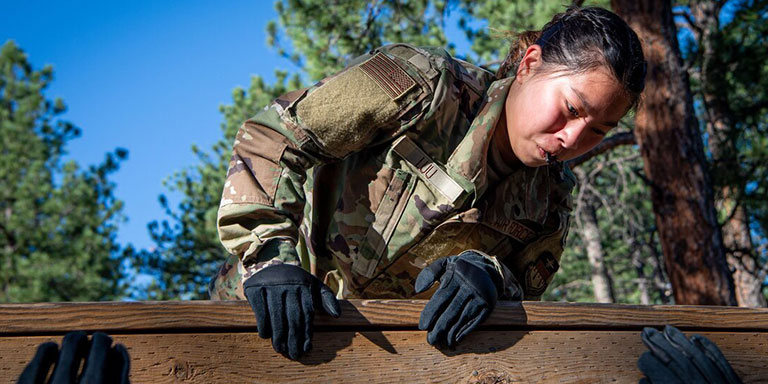
Basic training demands every ounce of your time, energy, and focus. Short of truly major emergencies like a death in the family, you can't afford to be distracted by whatever is going on back home. Basic training may feel like it lasts forever, but it's only ten weeks—your regular life will still be there after you graduate. For those ten weeks, you'll need to stay focused on what's right in front of you. Call or write to your friends and family when you can, just make sure they understand that training doesn't leave much time for anything else.
Phases of Basic Training
As a reminder, these are the four phases of Army basic training. Other branches may call them by different names or conduct training in a different order.
Yellow Phase: Weeks 1–2
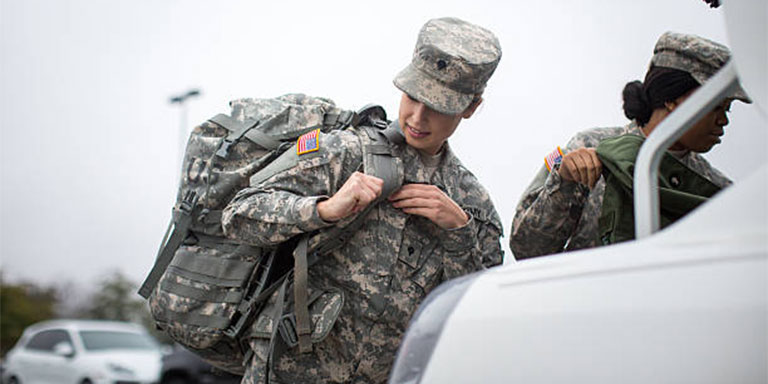
Often called “admin week” or “zero week” (despite being closer to two weeks long,) yellow phase is a lot of paperwork. You'll fill out forms for things like getting paid, creating a military service record, and taking responsibility for the equipment you're issued. You'll also get your first military haircut (which you have to pay for), be fitted for uniforms, and start learning military lingo and decorum. Waiting around doing nothing is a big part of military life for all servicemembers, but this is especially true during basic training. Use this time to get to know your fellow trainees or study any written materials you've been given. Later in yellow phase, you will undergo mandatory briefings and learn how to march in formation.
Once all that's finally done, basic training starts to get a little more fun (by some people's definition of fun, at least). You'll learn first aid and start doing some weapon drills, but you won't be going to the live fire range just yet. Oh, and, PT (physical training) will be a daily fixture of life throughout all of basic training. Starting on your second day, PT starts around 0430 and usually lasts 90 minutes.
Red Phase: Weeks 3–4

Let's face it, yellow phase is kind of boring. Things start to get more interesting in red phase but also more difficult. You'll begin basic rifle marksmanship (BRM) training with live ammunition and start practicing for your first rifle qualification test, which will happen near the end of this phase. You'll also learn a bit of hand-to-hand combat.
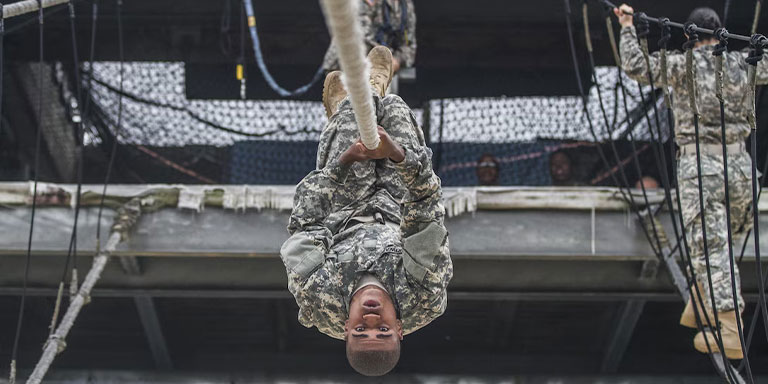
Warrior Tower is where new recruits start to wash out in big numbers. You'll navigate an obstacle course that will require you to climb walls, crawl in tight spaces, swing across pits on ropes, and maintain your balance on narrow ledges. After that, you'll ascend a tower nearly fifty feet tall—and then rappel down the other side. If you're afraid of heights, start working on confronting that fear (safely) before you ship out—you can't graduate basic training if you don't clear Warrior Tower.
Near the end of red phase, you'll have two more big milestones: your first Army combat fitness test (ACFT) and your first field training exercise (FTX). Don't worry too much if you fail the first ACFT; you'll receive some counseling and probably be ordered to do extra PT, but you'll have several more chances to pass the test before graduation. During the FTX, which may be one or two days long, you'll camp out in a remote area and drill some of the skills you've learned so far. If the FTX is two days long, plan on sleeping outdoors.
White Phase: Weeks 5–7
Overall, white phase isn't quite as grueling as red phase, but that doesn't mean it's easy. You'll continue your rifle marksmanship training and start learning how to move and shoot as part of a team. You'll learn more about small unit tactics in a classroom setting, then practice what you learned outdoors. White phase also introduces basic land navigation, which covers map reading and related skills.
Once you've got all of that down, you'll head outside at night and do all of it in the dark, throughout several days of night operations training. Toward the end of this phase, you'll take your second ACFT—again, failing it isn't necessarily the end of the world, as long as you're making progress. The only ACFT you must pass in order to graduate happens during week nine, so you've still got a little time.
At some point during white phase, you'll be exposed to CS (tear) gas at least once. It's unpleasant, but it's not as bad as some make it out to be. You're not supposed to be wearing contact lenses during basic training, but if you are, take them out before you enter the gas chamber. CS gas will melt your contacts onto your eyes and your vision may be permanently damaged.
White phase ends with your second FTX, which will be longer than the first and typically lasts three days and two nights. As before, you'll practice everything you've learned so far while sleeping outside and wishing you could take a real shower.
Blue Phase: Weeks 8–10
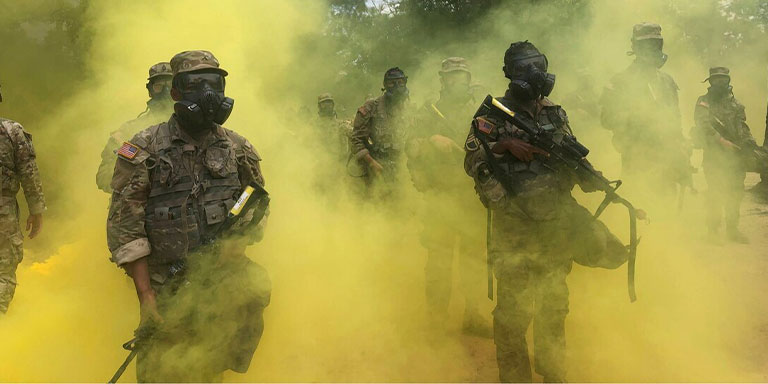
If you've made it this far, and passed your first two ACFTs, you're pretty much done—but don't get lazy. Blue phase begins with advanced weapon training, during which you'll fire machine guns, vehicle-mounted weapons and, if you're lucky, rocket launchers. You'll also have to pass your grenade proficiency test by accurately throwing at least seven out of nine dummy grenades, followed by a live one. Again, don't panic if you fail—you can go back to the start of the course, grab more grenades, and try again. The number of extra attempts you'll get is limited by whatever else is on the training schedule. To officially wrap up weapons training, you'll take your final rifle marksmanship test; you must hit at least twenty-three out of forty targets to pass.
Somewhere in here, you'll have one day of basic convoy operations training. Blue phase ends with your final ACFT and final FTX, the latter of which could be anywhere from five to eight days long. You must pass both of these in order to graduate. The ACFT standards are fixed, so you'll know exactly what you need to do, but “passing” the final FTX is a bit more subjective. There's no official grading system, you only need your drill sergeant to decide that you're more or less competent in everything you've learned so far. As long as you don't completely and utterly botch something, you should be fine.
Recycling

Even if you fail your final ACFT or otherwise don't meet the requirements for graduation, you won't necessarily be kicked out of the military. As long as you've shown progress throughout training, you'll be recycled, which means you'll be removed from your class and placed in another one several weeks behind. Yes, this does mean you'll have to repeat everything your new class hasn't done yet.
It's possible to be recycled multiple times as long as you continue to show progress over time. The number of extra chances you get is ultimately up to your commander. If you're unable to pass basic training after several attempts, but you tried your best and maintained a good attitude, you'll be discharged with a “Failure to Adapt” characterization, which is a type of involuntary entry-level separation (ELS). A Failure to Adapt discharge is not as bad as it sounds. It may bar you from rejoining the military later, and you won't get any benefits, but other than that, it won't cause you any problems in civilian life. There's one possible exception: It may prevent you from getting a job that requires a security clearance for access to extremely sensitive information.
Graduation and Out-processing
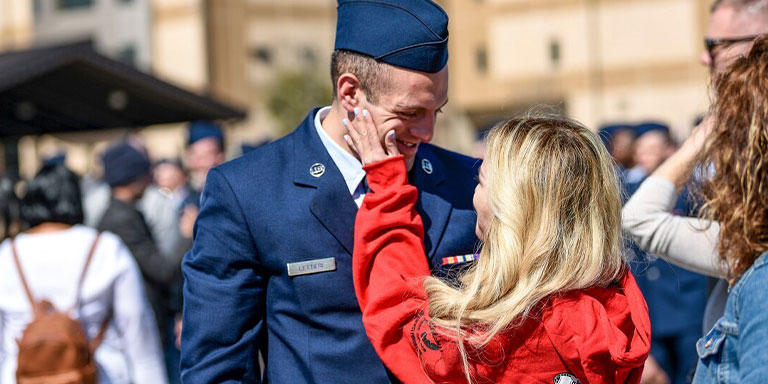
Basic training may be ten weeks long, but in practice, it's really only eight weeks because the first and last weeks are pretty easy. In terms of your actual training, blue phase concludes at the end of week nine. Week ten is mostly the opposite of week one: You'll return your equipment, do some more paperwork, clean up your barracks, so on and so forth.
The graduation ceremony occurs on the very last day, and your friends and family are welcome to attend. After that, you'll be given a half-day of leave to spend time with them (maybe a full day if you're very lucky), and then you'll be off to advanced individual training (AIT), or its equivalent if you're serving in a different branch. If you survived basic training, you should be well-prepared for AIT. The rules are somewhat more relaxed, the pace of training is a little slower, and you'll be afforded more privileges (but they can still be taken away for little or no reason).
For many people, basic training is the hardest thing they will ever do. It's exhausting, difficult, and at times, it's downright unfair, but if you can survive it, you'll build resilience that will serve you well in your military career and beyond. We hope this guide has eased some of your worries and clarified what you'll be expected to do.